
Fashion’s Climate Emissions Increased Almost 14% Over Two Years
Greenhouse gas emissions rose in 2023 and 2024, due in part to increased global production of fibre, especially polyester, according to a new report by the Apparel Impact Institute.

Loading highlights…
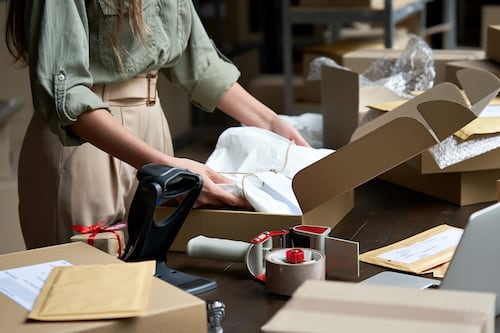
Owners of small businesses have taken to social media to complain about a new EU packaging rule they say creates costs and complexities they aren't equipped to handle. Here's what you need to know about it.
Owners of small businesses have taken to social media to complain about a new EU packaging rule they say creates costs and complexities they aren't equipped to handle. Here's what you need to know about it.
BoF senior editorial associate Shayeza Walid joins Sheena Butler-Young on The Debrief to unpack why upcycling is breaking into the mainstream — and whether it can become a durable part of fashion's supply chain.
BoF senior editorial associate Shayeza Walid joins Sheena Butler-Young on The Debrief to unpack why upcycling is breaking into the mainstream — and whether it can become a durable part of fashion's supply chain.

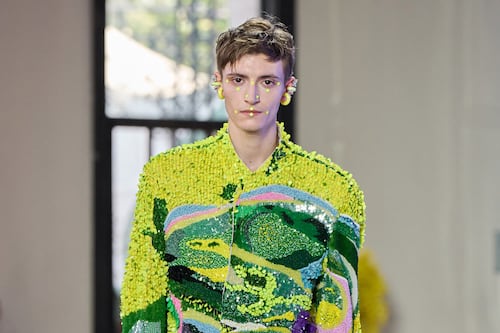
From Miu Miu to Coach, upcycling is moving beyond sustainability capsules into mainstream fashion as brands highlight the design and uniqueness of their products as much as — if not more than — their sustainability benefits.
From Miu Miu to Coach, upcycling is moving beyond sustainability capsules into mainstream fashion as brands highlight the design and uniqueness of their products as much as — if not more than — their sustainability benefits.
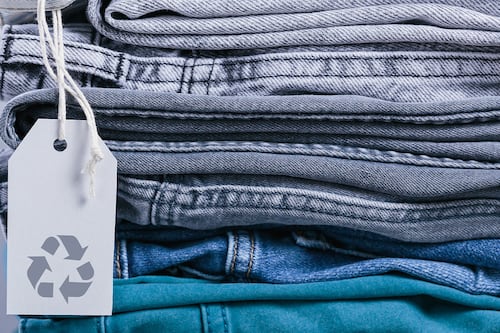
The industry’s underlying economics still make it difficult for more sustainable business models to compete. Brands that take responsibility for a garment’s full lifecycle, including what happens after it’s sold and then discarded, shoulder costs that others don’t.
The industry’s underlying economics still make it difficult for more sustainable business models to compete. Brands that take responsibility for a garment’s full lifecycle, including what happens after it’s sold and then discarded, shoulder costs that others don’t.
ADVERTISEMENT
The world’s largest spandex manufacturer by market share, based in South Korea, has created a drop-in bio-alternative ready for large-scale production. BoF sits down with CEO Chang Hwang Lee to learn more.
The world’s largest spandex manufacturer by market share, based in South Korea, has created a drop-in bio-alternative ready for large-scale production. BoF sits down with CEO Chang Hwang Lee to learn more.

A BoF analysis of recommendations by ChatGPT, Claude and Gemini found that brands' online reputations and how users phrase their questions matters more than actual environmental performance.
A BoF analysis of recommendations by ChatGPT, Claude and Gemini found that brands' online reputations and how users phrase their questions matters more than actual environmental performance.
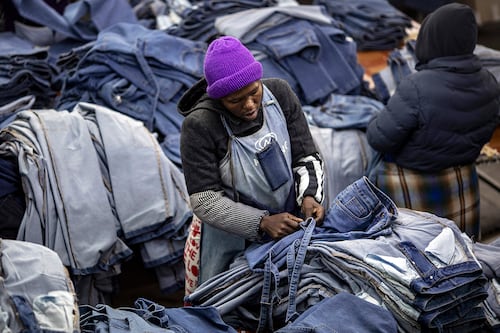
The new duties’ focus on forced labour is widely seen as a pretext for the Trump administration to rebuild its tariff wall. But could they actually help address forced labour in fashion’s supply chain?
The new duties’ focus on forced labour is widely seen as a pretext for the Trump administration to rebuild its tariff wall. But could they actually help address forced labour in fashion’s supply chain?
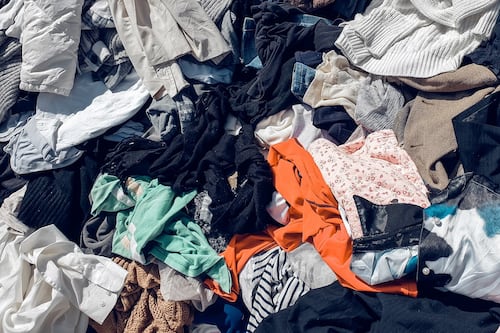
Companies from luxury groups to high-street giants are rethinking what to do with unsold goods in the EU as its ban on destroying excess inventory takes effect. Critics say loopholes in the rules could cause problems.
Companies from luxury groups to high-street giants are rethinking what to do with unsold goods in the EU as its ban on destroying excess inventory takes effect. Critics say loopholes in the rules could cause problems.
ADVERTISEMENT
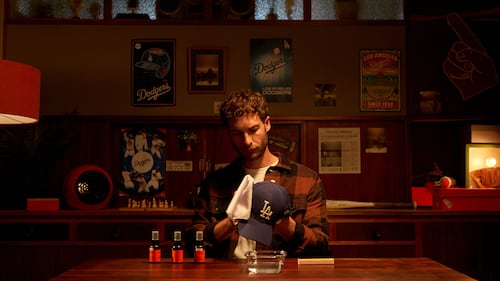
As shoppers seek greater value from their wardrobes, garment care is evolving from an afterthought into a key part of the fashion value chain. Jo Farah, founder of biotech fashion care brand The Lab, shares how the company’s growth reflects a broader transformation in how fashion is bought, used and preserved.
As shoppers seek greater value from their wardrobes, garment care is evolving from an afterthought into a key part of the fashion value chain. Jo Farah, founder of biotech fashion care brand The Lab, shares how the company’s growth reflects a broader transformation in how fashion is bought, used and preserved.
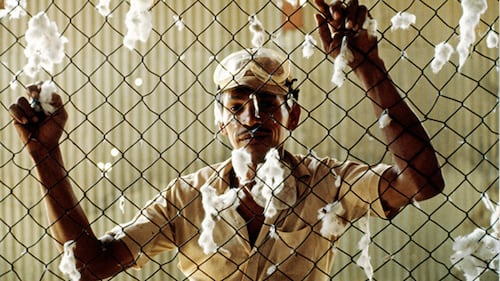
Fashion’s biggest sustainability challenges don’t exist in isolation. Increasingly, neither do the solutions.
Fashion’s biggest sustainability challenges don’t exist in isolation. Increasingly, neither do the solutions.

The material has become a lightning rod on social media as shoppers reject synthetics and seek out clothes made from natural fibres. The reasons go beyond consumers viewing polyester clothing as cheap or poor quality.
The material has become a lightning rod on social media as shoppers reject synthetics and seek out clothes made from natural fibres. The reasons go beyond consumers viewing polyester clothing as cheap or poor quality.
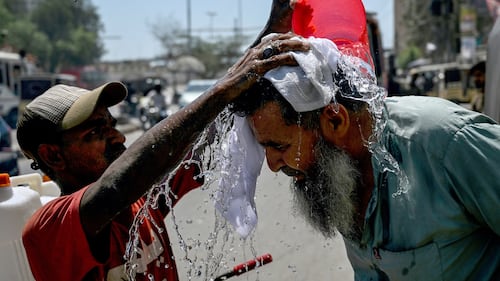
Record-breaking temperatures are threatening worker health and disrupting production, but there are simple, cost-effective steps the industry can take to adapt.
Record-breaking temperatures are threatening worker health and disrupting production, but there are simple, cost-effective steps the industry can take to adapt.
Greenhouse gas emissions rose in 2023 and 2024, due in part to increased global production of fibre, especially polyester, according to a new report by the Apparel Impact Institute.
Lululemon and apparel manufacturer MAS Holdings are among the investors backing the French startup as it scales a proprietary process for recycling nylon from mixed-textile waste.
The changes, which will go into effect in December 2027, are a win for the leather industry.
Major retailers’ ads promoting “recycled” clothing and shoes have been banned by the UK watchdog after advertisers were unable to prove their green claims.
The British group positioned itself as an industry leader five years ago when it announced a goal of net zero by 2040 — ahead of other luxury brands and the Paris Agreement on climate change.
The National Chamber of Italian Fashion will no longer promote fur at events or on social media.
Labour representatives worry the shift to standardised conditions would erase years of locally negotiated terms in A Coruña.
The Clean Clothes Campaign and four Dutch consumers have accused the denim brand of failing to meet the responsible production standards it promotes in its marketing.