Agenda-setting intelligence, analysis and advice for the global fashion community.
Agenda-setting intelligence, analysis and advice for the global fashion community.


Subscribe to The Frayed Edge, a fortnightly newsletter on how to build a cleaner, fairer fashion system.
Guys! There’s been a lot going on.
In an unexpected twist, PETA became one of the biggest stories of New York Fashion Week. Its anti-wool protest at the Cos show went viral after CFDA president Steven Kolb restrained protesters. In the aftermath, Kolb has resigned and an under-the-radar debate on the ethics of wool has gone mainstream. (Don’t miss the BoF team’s coverage or jewellery designer Eddie Borgo’s thoughtful opinion piece on the bigger problem with the CFDA.) America’s premier fashion body has had more bad headlines this week, after its vice chair Aurora James was sued for failing to pay a supplier.
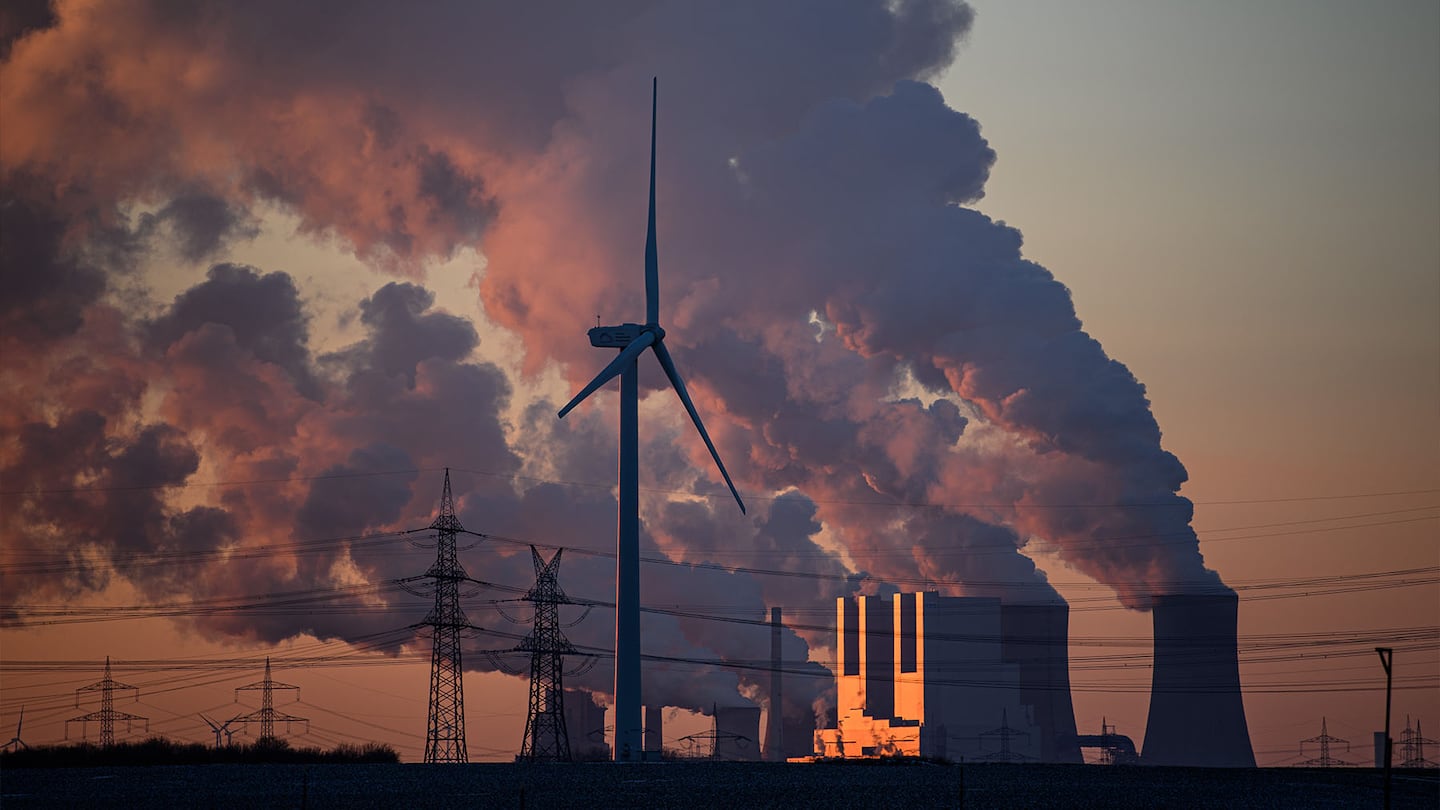
Then there’s the crisis that’s rippling across fashion’s supply chains as the conflict in the Middle East drags on. Costs for everything from freight to widely used materials like polyester to energy are up, squeezing manufacturers already operating on thin margins. Power shortages in Bangladesh have caused a wave of cut and cancelled orders, and there seems little prospect the pressure will ease any time soon.
ADVERTISEMENT
Elsewhere, a re-issue of a $10,000 mirrored Fendi baguette bag had commentators questioning once again whether luxury’s use of heritage crafts is celebration or appropriation, and Converse has been accused of running ads that evoked the KKK. That brands keep making these missteps is shocking, but maybe not surprising in an increasingly divided world where outrage is amplified in instants on social media.
I’ve got my eye on a few other things for this edition.
Here’s what’s coming up:
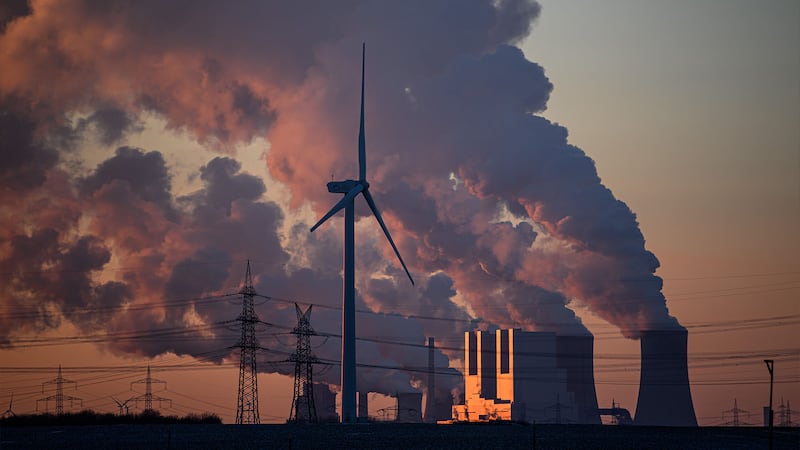
I didn’t make it to New York this year for Climate Week, the annual “Davos of climate” that takes place around the UN General Assembly, so I’m handing over the reins to my colleague Shayeza Walid for this.
Here are her takeaways:
Let’s get down to business
Amid a perfect storm of tariffs, inflation and “the biggest energy shock in history” (as Erica Downs, senior research scholar at Columbia University’s Center on Global Energy Policy, described the Strait of Hormuz shut down in a panel), there wasn’t much room for “greater good” moralising. Instead, the focus at panels and roundtables was firmly on the business case for sustainable investments, whether looking at climate mitigation, material innovation, adaptation or other measures.
With fashion off track to meet its targets and the fatal consequences of this summer’s weather extremes still fresh, the vibe was very much based in pragmatism, rather than optimism.
ADVERTISEMENT
“I think the feeling now is past talking about work we need to do,” said Jason Berns, head of sustainability and product Innovation at Ralph Lauren. “We know where the challenges are. Let’s get to work on what we can do.”
A little less conversation, a little more action. Please.
Despite a palpable sense of urgency, the industry still needs to prove it can actually deliver on commitments to action.
It was hard not to raise an eyebrow at the fact one of fashion’s splashiest announcements of the week wasn’t a concrete achievement of impact reduction, but the launch of yet another industry sustainability coalition.
The Climate Pledge Fashion Coalition, co-founded by Amazon, Stella McCartney and environmental non-profit Canopy, with support from the World Economic Forum, brings together more than 60 fashion brands, manufacturers, retailers and innovators to pool demand and financing in an effort to help lower-impact materials, technologies and supply chains reach commercial scale.
It’s a worthy goal. I look forward to seeing what they actually do.
Fashion Feels the Heat
Amid all the talk about acting, it was hard not to notice a certain hush around the increasingly dire climate reality. With the world off track to meet climate goals, the likelihood of breaching critical environmental tipping points is greater than ever.
ADVERTISEMENT
The few places where the changing climate did crop up were conversations around navigating the concrete ways heat stress and water scarcity are impacting the fashion industry.
“Water is coming up more as a critical constraint,” said Canopy’s chief executive Nicole Rycroft. “It’s not about water pollution and much more about shortage concerns … Investors are increasingly interested and enquiring about water as a climate impact frontier.”
The second rendition of the Nat Gala, a star studded event that kicked off the week with the aim to raise funds for nature regeneration and conservation, had “Water is Life” as its theme.
Many attributed the increased dialogue on heat and water to the visibly catastrophic summer in Europe. That, together with a growing regulatory burden and increased price volatility for critical resources, seems to be convincing businesses to move in ways the threat of climate change alone couldn’t.
“You never know when the catalytic moment is coming, but you have to be ready for it,” said Valerie Langer, forest conservationist and consultant to Canopy.
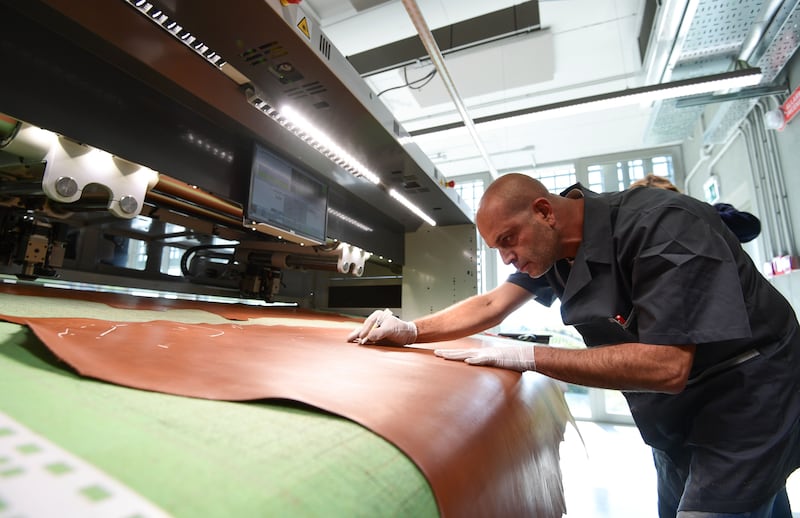
Earlier this week, BoF Milan correspondent Eric Sylvers and I checked in on the state of luxury’s Italian supply chains.
The country’s deep-rooted connection to craft and artisanal skill has long been touted as a unique selling point for Europe’s most rarified brands and a key justification for the eye-popping prices they charge. Unfortunately, over the last three years, Italian prosecutors have linked many of those brands to Italian suppliers operating more like sweatshops than temples of luxury craft.
Has anything changed?
Industry insiders say there has been a notable shift towards stricter systems of oversight. Brands are conducting more audits and consolidating suppliers to reduce risks associated with subcontracting. They have often blamed instances of exploitation or labour abuse on unauthorised outsourcing.
On the other hand, flagship efforts to develop systems that would harmonise and streamline monitoring systems have stalled. The topic has become part of a broader political argument about how much responsibility companies should have over their supply chains.
The standard industry line is that businesses can’t be responsible for issues that occur in companies they don’t work with directly. A very mainstream counter is that companies that set business terms should have full accountability. For what it’s worth, BoF’s Instagram followers seem inclined to agree, especially when it comes to luxury products; brands that charge through the nose and promote the value of their supply chain should be able to stand that up.
The show goes on
The industry mostly avoided talking about unsavoury things like supply-chain scandals during Milan Fashion Week this week, preferring instead to keep a positive spin on Italy’s deep links to high-quality craft.
Vogue even dedicated its Milan showing of its annual Vogue World event to the country’s rich history of fashion artistry, though the inclusion of humanoid robots hit a bit close to the bone for some watchers. Amid rising angst about the negative impact such innovations are likely to have on already precarious creative jobs, the androids hyped-up appearance felt less celebratory and more sinister.
Remember last year, when the EU abruptly pulled plans for an anti-greenwashing law, feeding anxiety among environmental advocates that regulatory support was waning?
It’s OK if you don’t. A year is a lifetime, and the twists and turns of European politics is enough to make even the nerdiest policy wonk dizzy. The important thing to know is that policymakers partly justified the move by pointing to other similar measures already in the works.
Now those measures are coming for fashion.
What’s happening?
A new and clunkily named regulation (say Empowering Consumers for the Green Transition Directive 10 times at speed) comes into force on Sunday. EmpCo, as the regulation is known more colloquially, requires any green marketing claim to be backed up with hard evidence. That should be table stakes, I know, but we live in the real world so this is progress.
What’s out?
Companies are going to need to be a lot more careful about making claims like “green,” “eco-friendly” and “fairly made.”
More specifically, if you want to say something is sustainable in any way, you have to be able to prove it through approved third-party certification schemes or demonstrable impact.
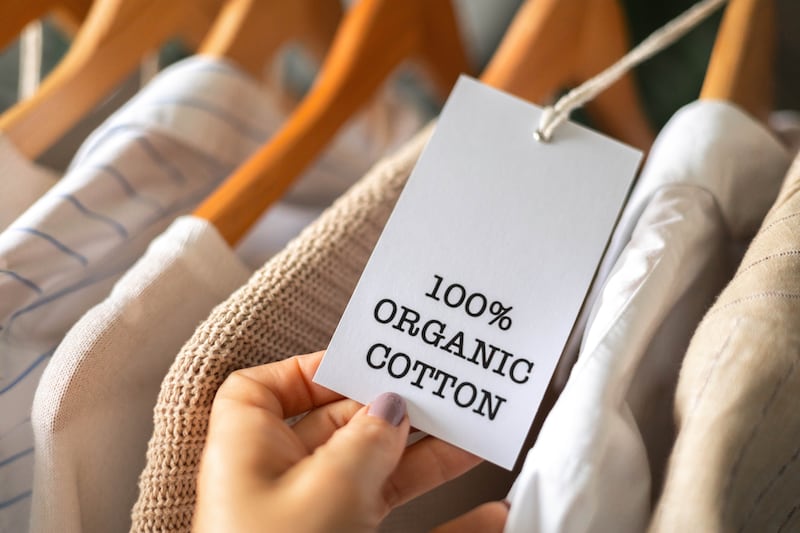
Sweeping claims, like saying a T-shirt is organic cotton when it’s 20 percent polyester, are forbidden. Any brand still making claims to climate neutrality on the basis of offsets (credits that can be purchased from schemes focused on carbon removal) should stop. If companies say products are durable or repairable, they better be.
Public affairs consultancy Ohana put it succinctly in a social post this week: “If it sounds virtuous, could mislead and can’t be substantiated, then this will be a problem.”
Now what?
EmpCo comes into force on Sunday, but companies have known about it since it was approved in 2024. Brands that have been paying attention will have done a lot of the groundwork to meet these new rules already, especially since they largely echo existing efforts to crackdown on greenwashing.
Many fashion companies have already tightened up their green marketing language or are in the process of updating their communications. In some cases they’ve gone dark on sustainability efforts altogether (not necessarily just a marketing flex, of course).
Supply-chain solutions and certification bodies see this as a big opportunity. My inbox is awash with pitches detailing how they can help fashion businesses meet the new obligations.
Brands have been largely much less forthcoming about their preparedness.

Shayeza Walid is Senior Editorial Associate covering Sustainability at The Business of Fashion. She reports on fashion's environmental impact, climate accountability, supply chain and labour issues. Based in London, she also contributes to BoF's Global Markets and UK coverage.

Sarah Kent is Global Markets Editor at The Business of Fashion. She is based in London and also oversees BoF's sustainability coverage.
Loading recommended reads…
Gucci, Moschino, Tod’s, Institution and The Attico each offered their vision of fashion for the people as commercial pressures put the customer squarely in focus, Angelo Flaccavento writes.
A Bank of America analyst downgraded shares of the sportswear maker to underperform from neutral, pushing back expectations of a sales turnaround to 2028.
The manufacturer of the gel eye masks that broke the internet weighs in on why Fenty Beauty, Huda Beauty, and Glow Recipe announced the same product within a week.
The online backlash to the robots’ appearance at Vogue’s annual spectacle speaks to a larger feeling in fashion that AI and technology have become inescapable, despite worries they are a threat to human craft and creativity — and even humanity itself.