Agenda-setting intelligence, analysis and advice for the global fashion community.
Agenda-setting intelligence, analysis and advice for the global fashion community.

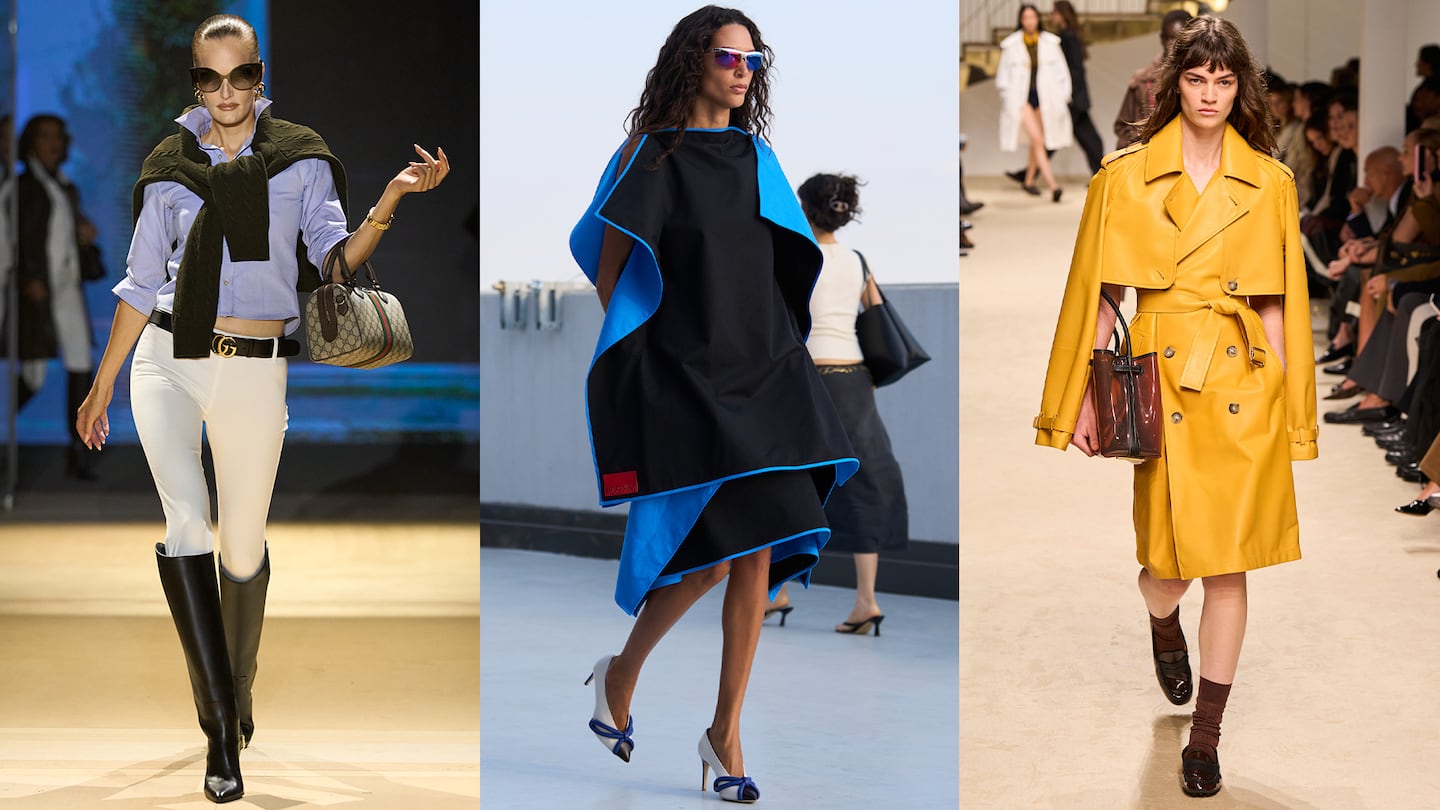
MILAN — The fashion market is in the doldrums. Most brands are not growing as planned. Some are shrinking dramatically. Clothes need to sell, and that brings the attention back to the customers who buy them. People, in other words, matter again.
With his trademark cynical and biting humour, Demna staged his second Milanese show for Gucci in a replica of a store — his concept for Gucci stores, apparently — complete with merchandise hanging from racks or arranged on shelves, an off-limits room for very important clients and a swarm of actual sales assistants brought in from the brand’s Via Montenapoleone boutique.
The staging felt like a commentary on the moment, or a rather brutal restatement of priorities: We need to sell. Demna’s own rationale was, of course, more philosophical. Gucci, he said, is rooted in the desire to belong to a more glamorous world, somewhere between aristocracy and pop culture, heritage and mass demand. In this light, the store becomes a place where different people and stories meet (lest we forget that today’s luxury store is often the opposite of this, with velvet ropes, private shopping salons and eye-popping price tags to keep the masses at bay). But fashion likes aspiration, and cashes in on it. “Gucci is a space of possibility, a place where anyone can become whoever they choose to be,” Demna said.
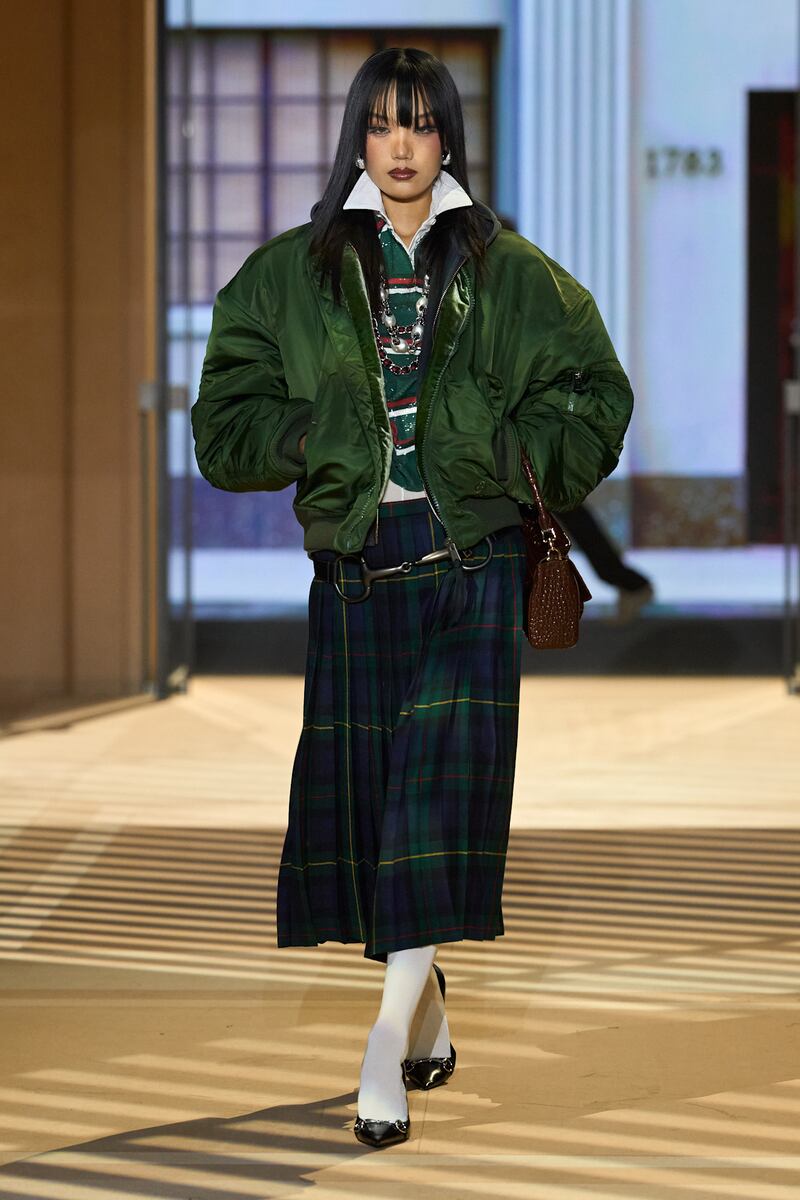
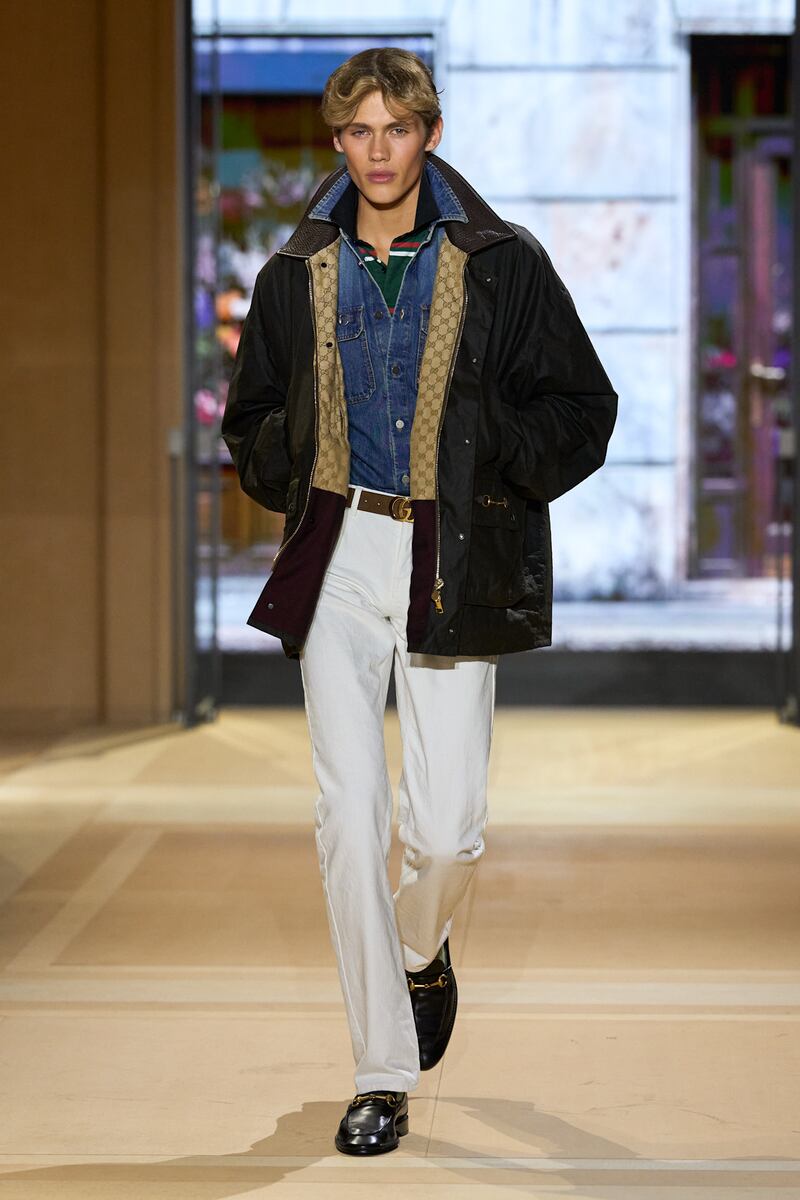
As such, the collection moved between elitism and mass appeal. Demna’s hand was evident in the distortions — sharp shoulders, angular loafers, puffed outerwear — which were grafted onto accessible, even banal archetypes: cropped trousers, jeans, bourgeois suits, rugby tops, pleated skirts. The commercial intent came to the fore, loud and clear. Nothing wrong with that. But the idea of pleasing everyone, from the sciura to the shoplifter, is not without risk: When one wants to talk to everybody, one potentially speaks to no one.
ADVERTISEMENT
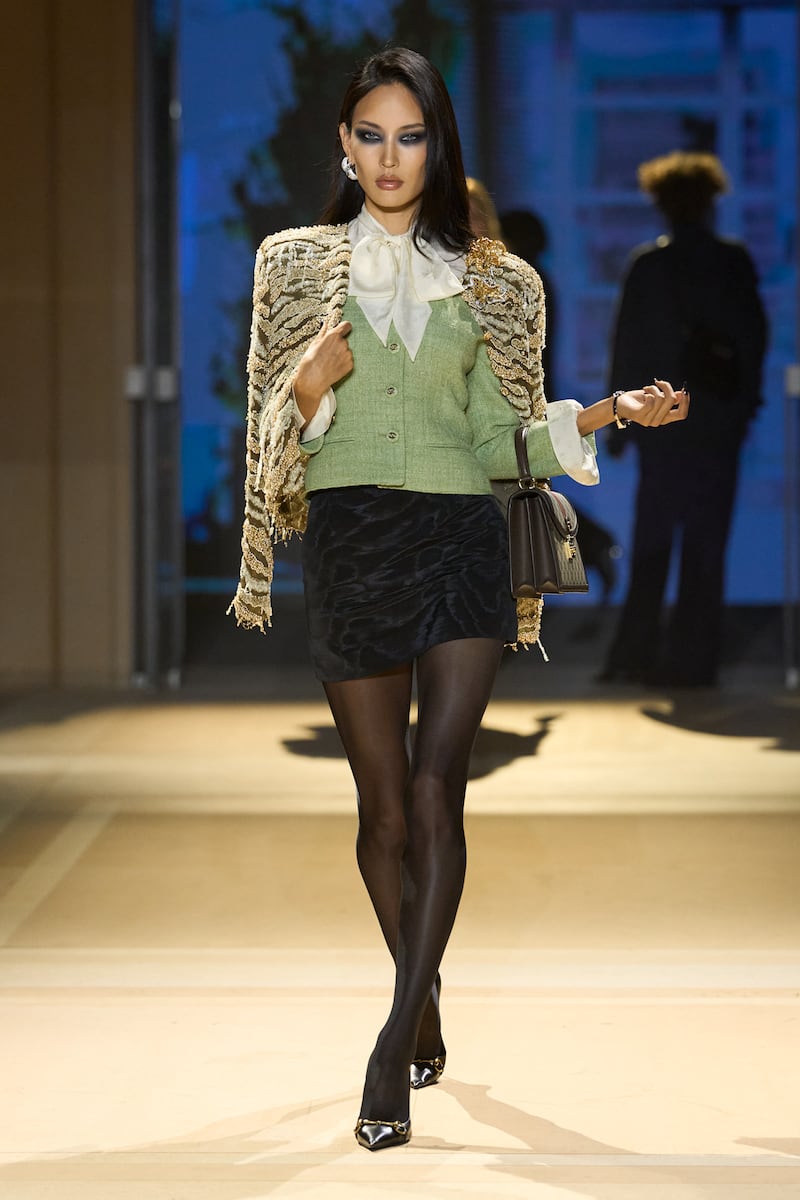
Fashion for the people was considerably more literal at Moschino, where Simone Rizzo and Loris Messina debuted their take on the house. “PRONTOMOSCHINO?” asked the manifesto-like show notes — a play on the standard Italian telephone greeting that called for Moschino to speak to real people and act as a “cultural loudspeaker.”
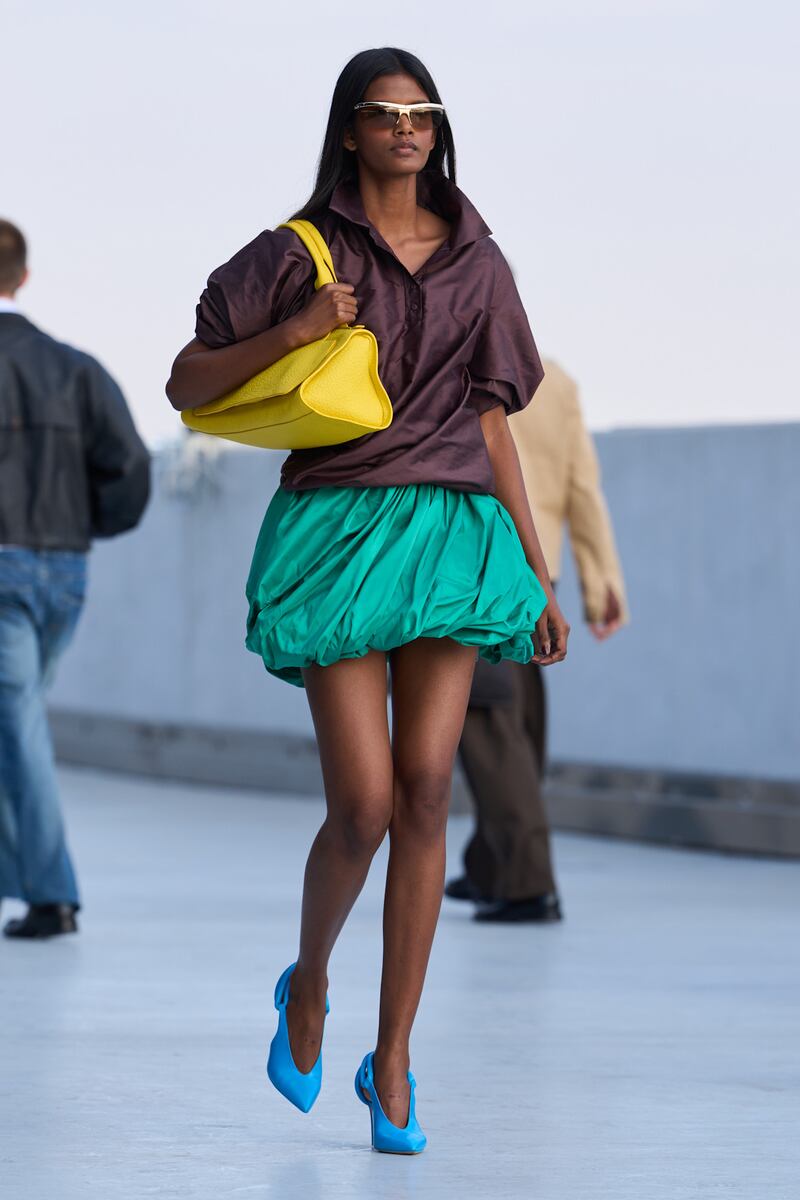
The show did exactly that. Models walked downstream while some 400 extras, dressed in their own clothes and behaving like passers-by, moved upstream. It was a powerful stunt, so typical of Rizzo and Messina and their deftness as communicators. But it was also a dangerous stunt: real people, dressed as they were, were often more compelling to watch than models wearing the new collection.
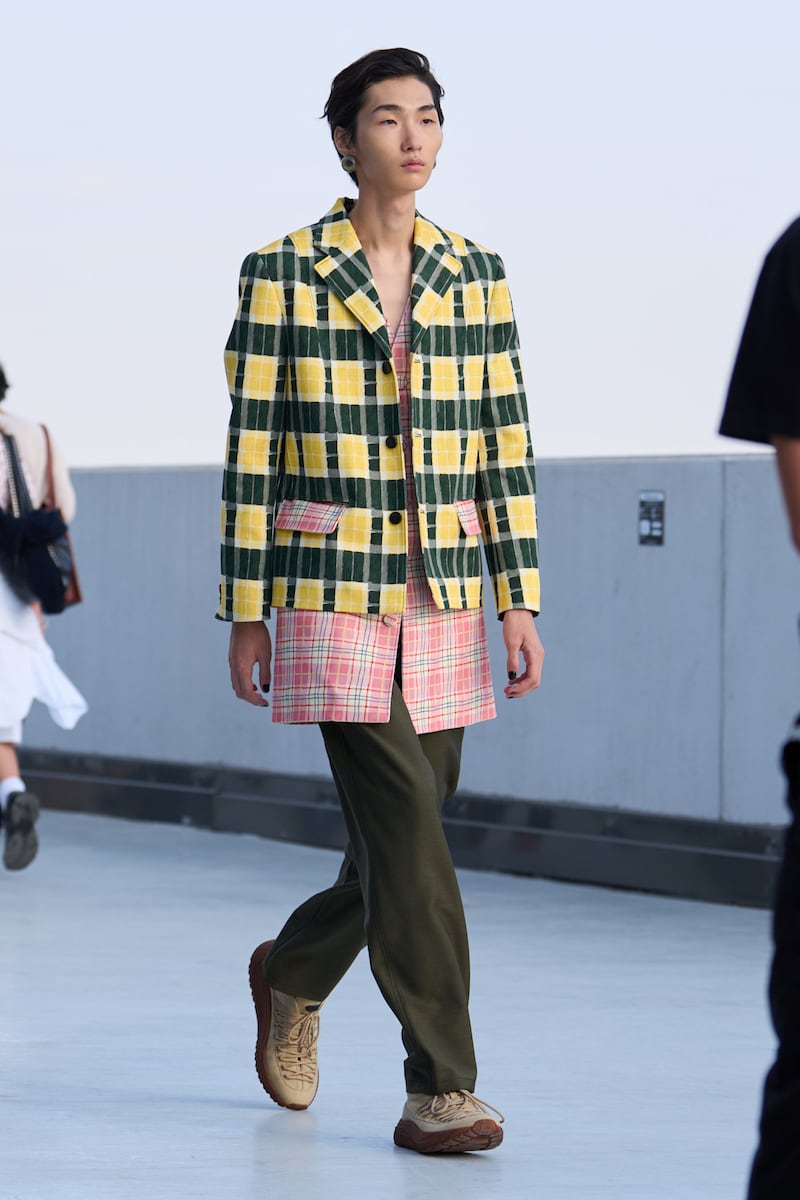
Messina and Rizzo’s Moschino felt colourful and fresh, doing away with the stale Moschino slogans and clichés, and looking very Sunnei. But for something aspiring to be for the people, it felt too forcibly fashionable, adhering too eagerly to tropes that have themselves become clichés of the avant-garde — draped crinolines and abstract shapes with a whiff of Jonathan Anderson’s Loewe to them. Still, this is a debut, and the collection was put together in record time. The theory is there, and so is the energy. What Rizzo and Messina need now is a little more of the quirky realism they can do so well.
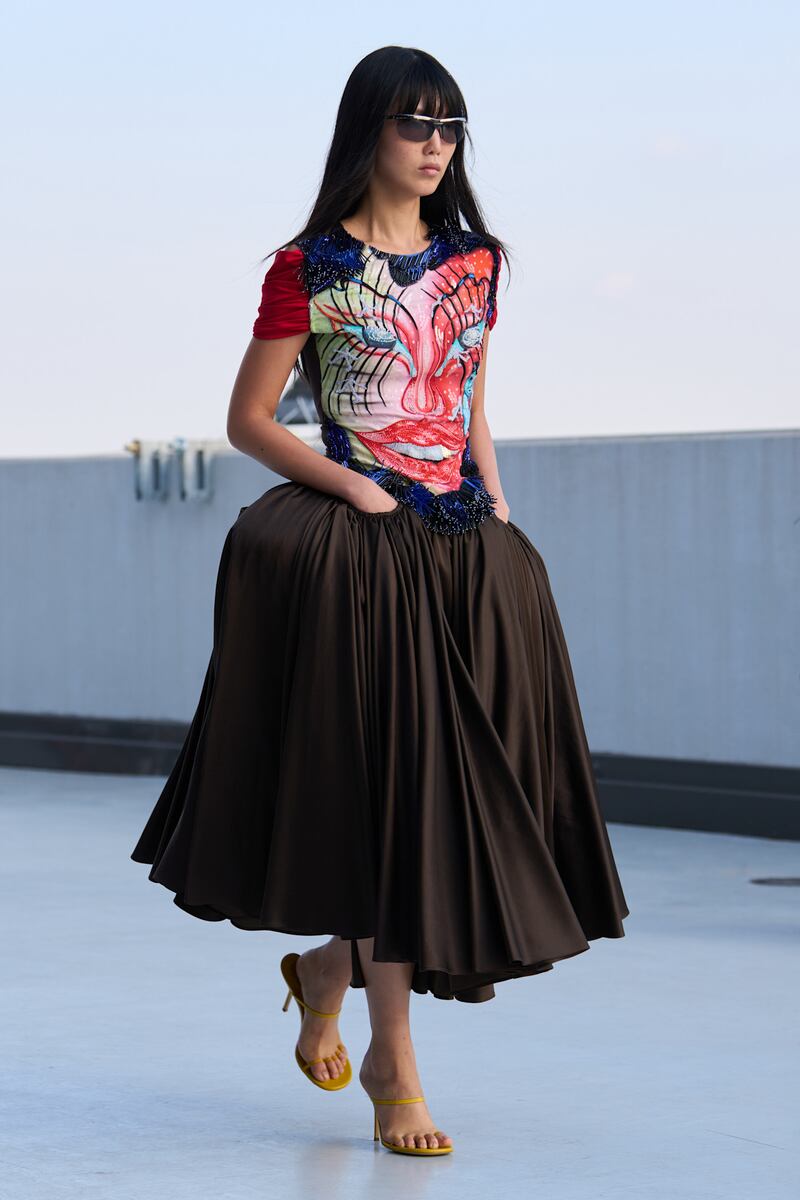
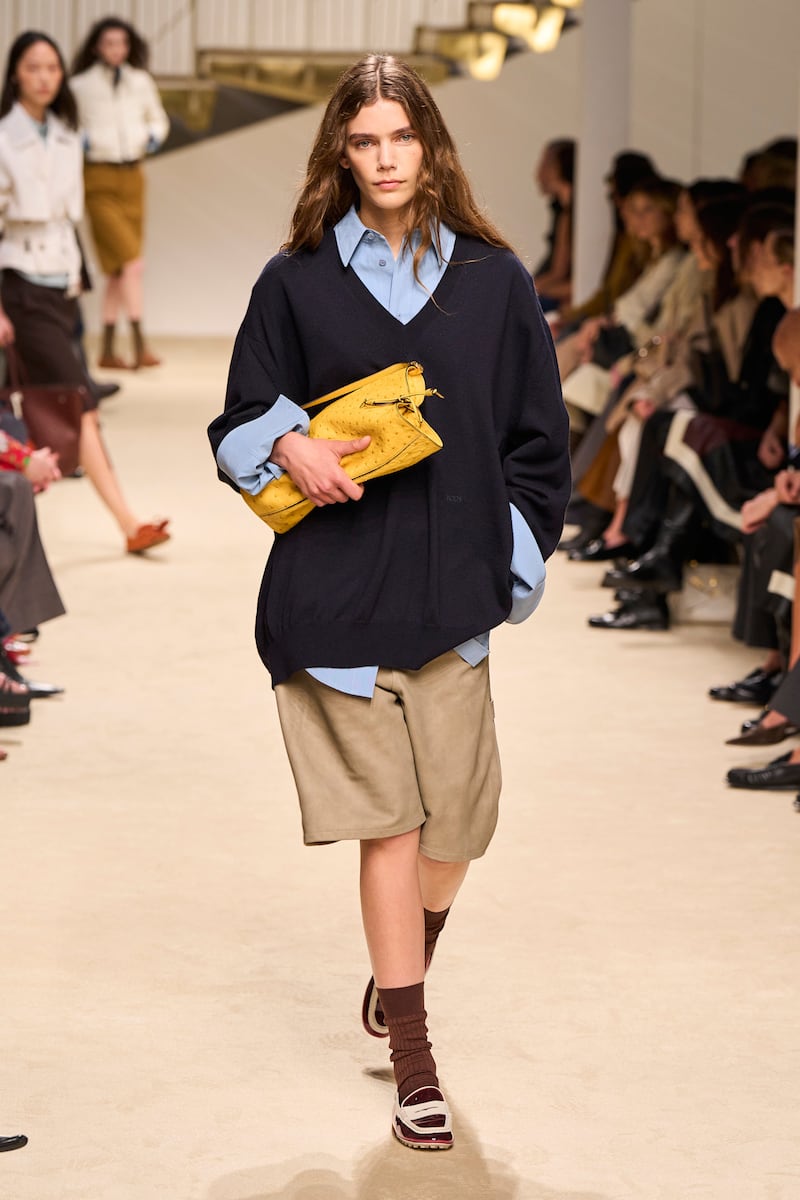
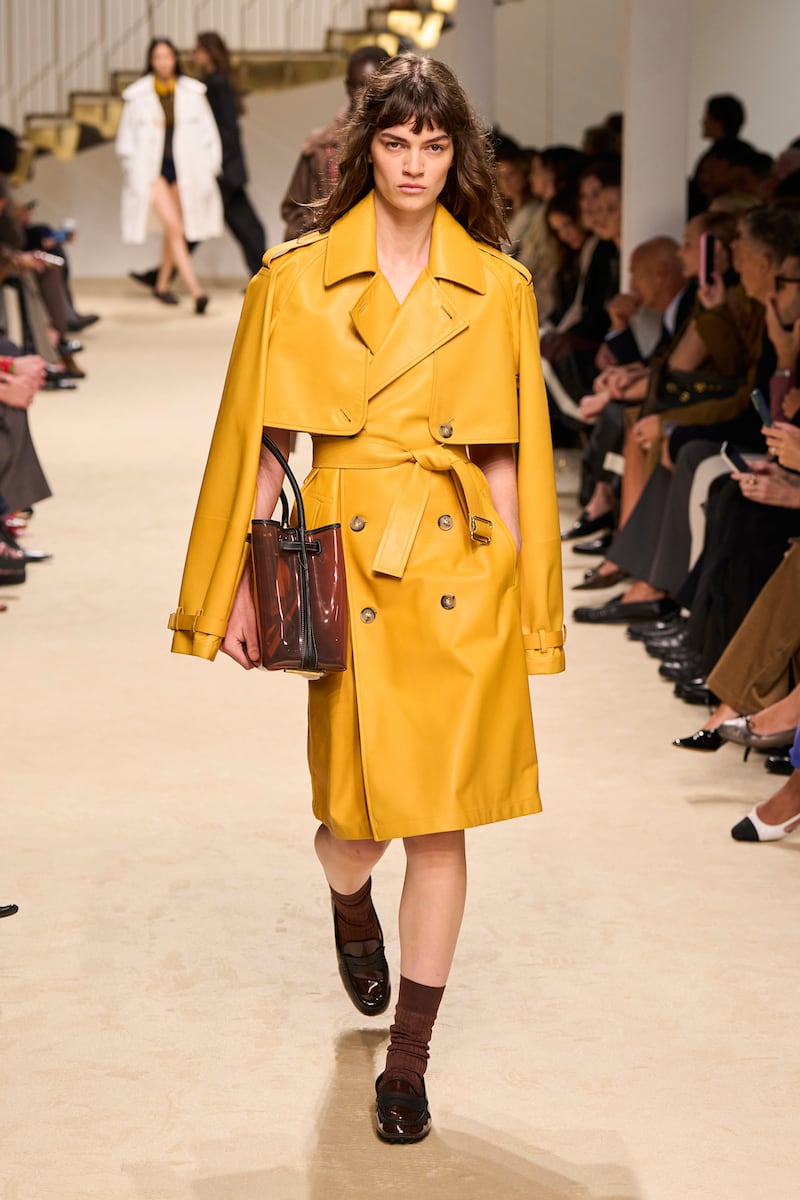
There is a reassuring straightforwardness to Matteo Tamburini’s approach at Tod’s: fluid and spontaneous, yet deeply considered. It comes from knowing where he stands as a creative director, what his expressive possibilities are and who he is speaking to. A limit, perhaps, but one that does not limit.
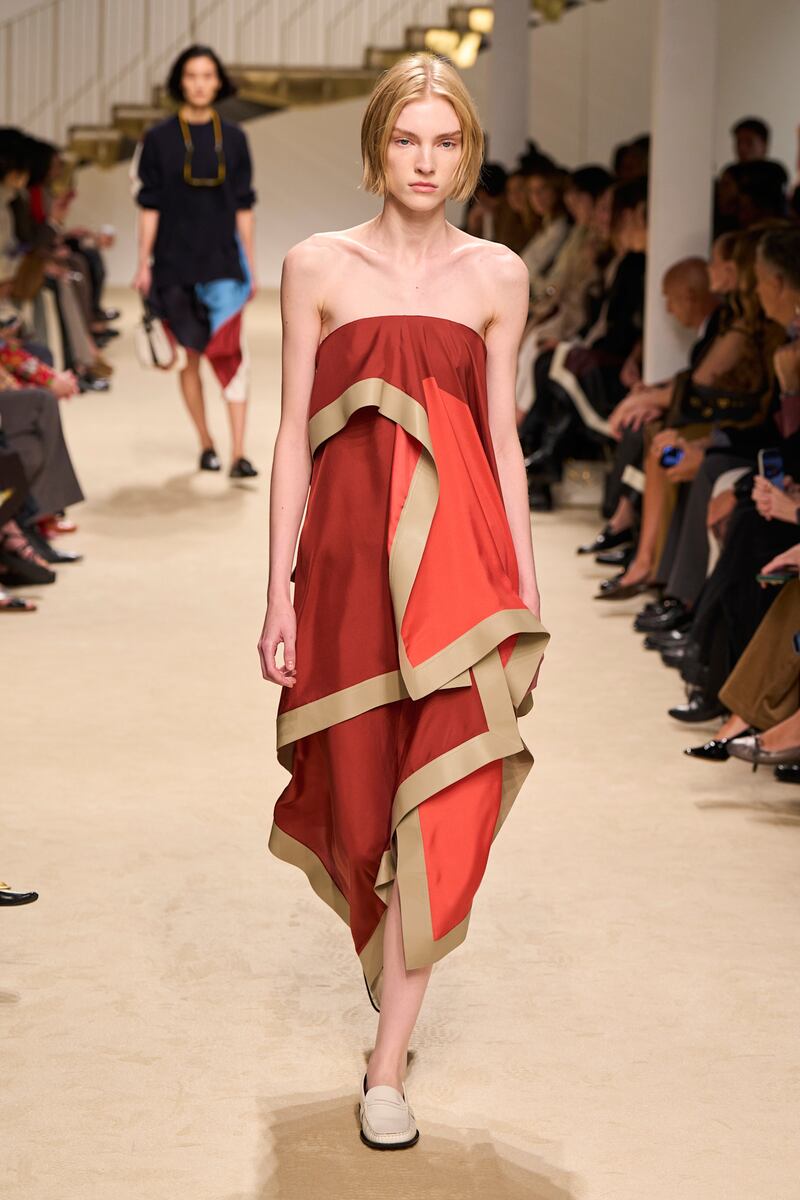
Tamburini’s starting point this season was the way personal style is formed through things absorbed over time — images, films, music, magazines, people, places — until their origins blur and they become one’s own. He opted for a mixture of sedition and restraint: classics that were unsettled rather than overturned; everything in place and yet slightly askew. It made for a subtle outing shot through with energy, a collection that felt lived-in more so than constructed. This kind of ease is difficult to fake.
On another fashion planet, Galib Gassanoff continues to make Institution one of the most compelling propositions in Milan. A Georgian of Azerbaijani descent who grew up outside Tbilisi before moving to Milan at 18, Gassanoff founded Institution less than three years ago. The intentionally small scale of the brand helps him preserve his voice as a creator while he grows in confidence and concreteness each season.
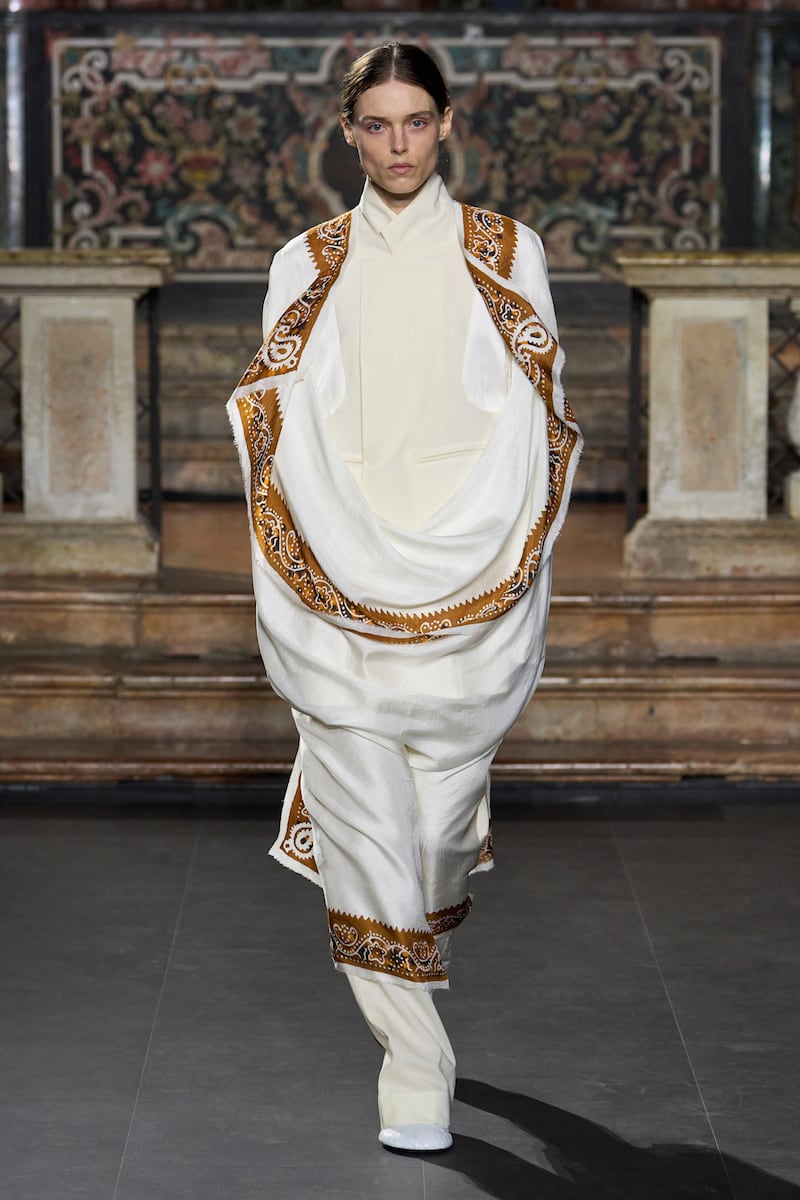
Gassanoff is drawn to commanding, sculptural femininity and what he describes as the “motherly strictness” of Soviet women. Those themes were present this season, but expressed more gently — even “fluidified”, the designer said. Sculptural forms were there, but they also gave way to flowing silhouettes made from the kelaghayi, the traditional Azerbaijani women’s headscarf. The 150-by-150-centimetre silk squares were folded, draped and stitched but never cut, preserving their original integrity even as they became new garments, in a gesture of cultural respect.
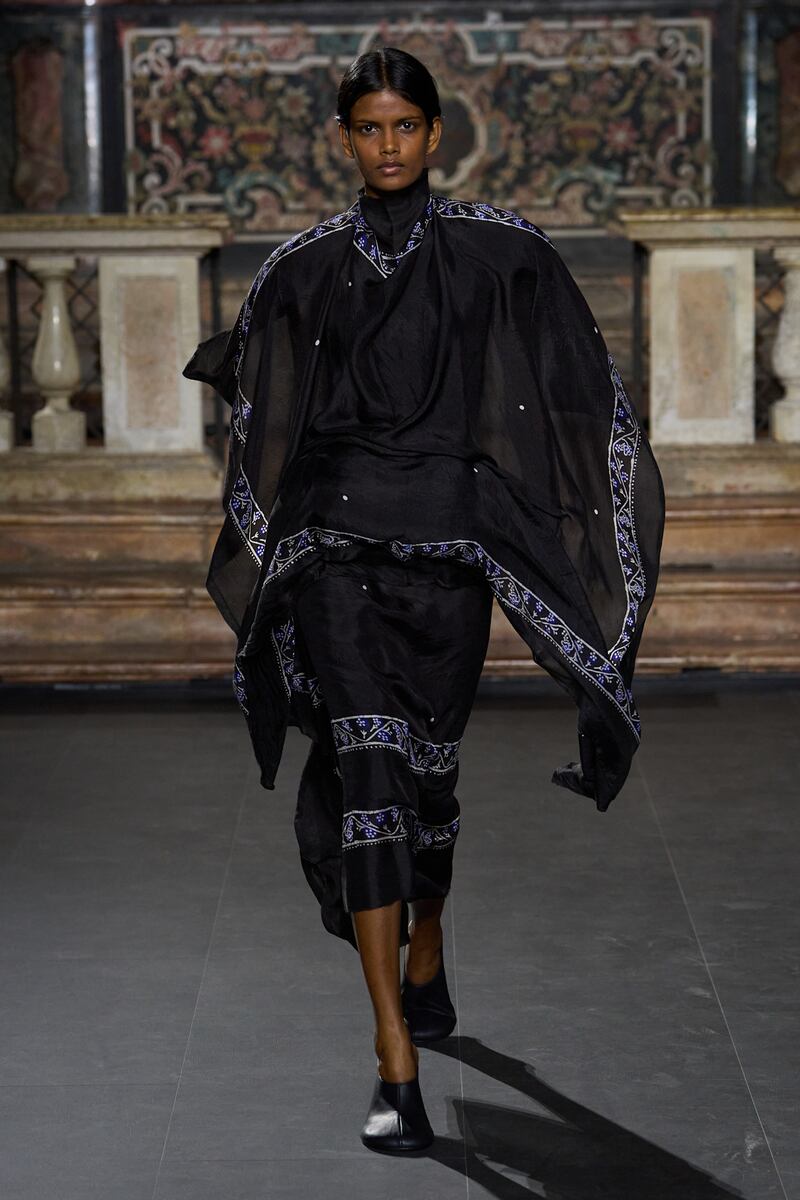
There was fluidity, but no sweetness. Gassanoff’s language is evolving without losing its singular asperity. The result was austere and poetic, even moving.
ADVERTISEMENT
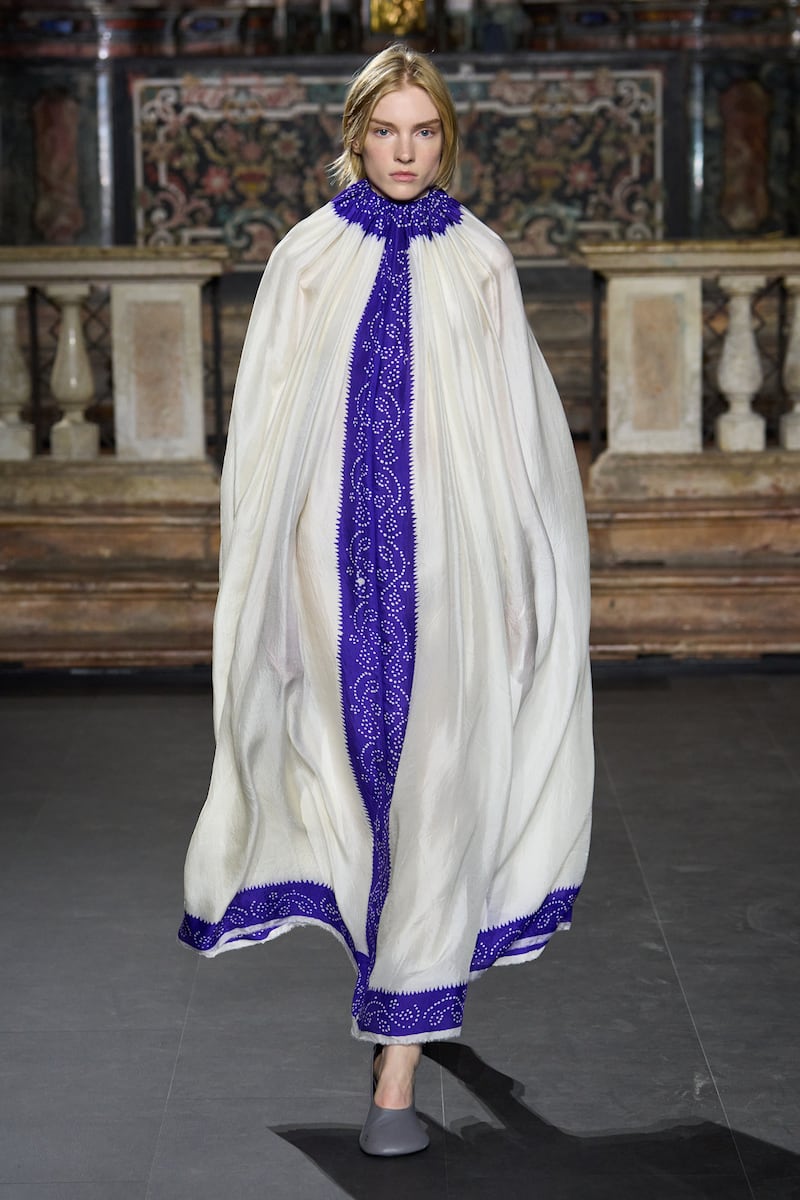
The Attico’s identity is both multifaceted and remarkably clear: an authentic reflection of founders Gilda Ambrosio and Giorgia Tordini and their fascination with the complexities of womanhood. Showgirls and seductresses are still part of the picture. Just not the whole of it.
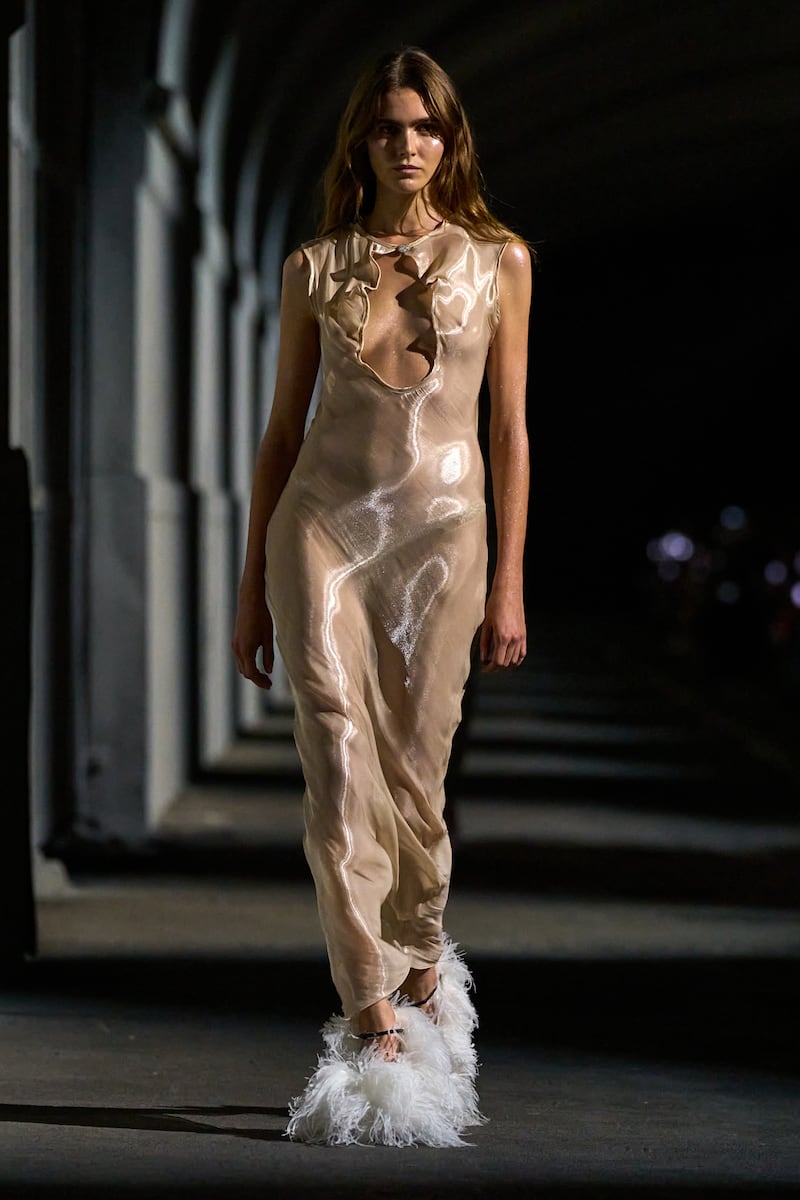
This season Gilda and Giorgia turned towards women’s secret lives — and the bed as their most obvious stage. Guests sat on beds while different female personas emerged around them: sharp or languid, controlled or kinky, glittering or crumpled, dressed in tailoring or lingerie. The storyline was seductive, but ultimately just that: a script. What materialised was classic The Attico, only a bit more crumpled.
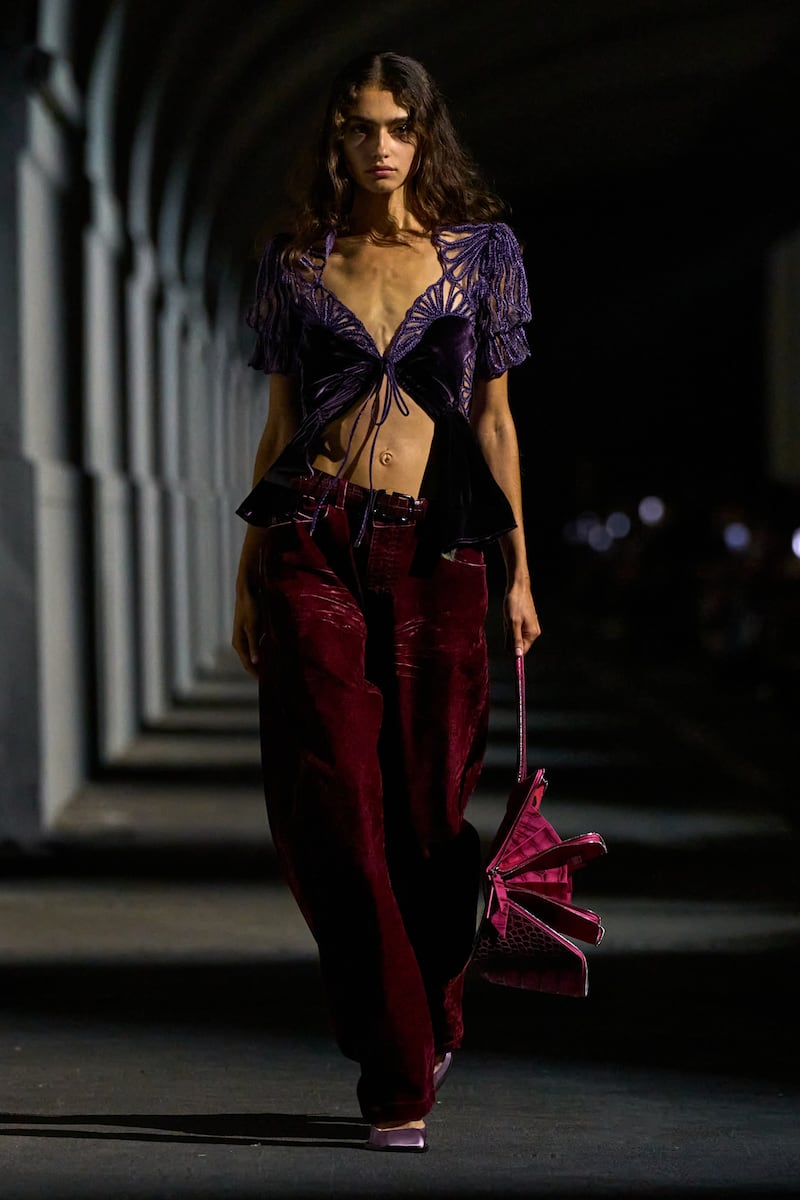
Clothes looked as though something had already happened to them. The sexy voltage remained high, as did the feather and glitter count. The Attico is emphatically not for everyone — another way of talking to the people.
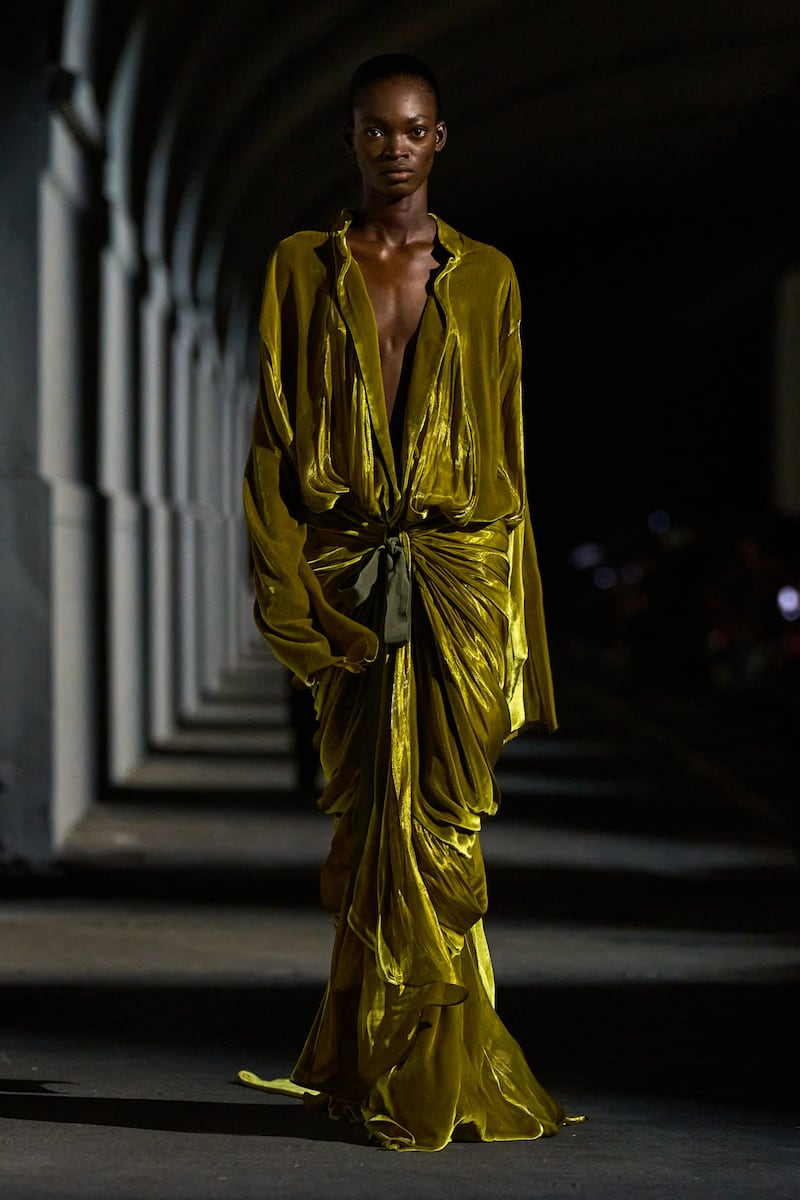
For the last twelve months, the designer has played therapist to the brand’s ‘multiple personality disorder.’ This latest session for Spring/Summer 2027 was a breakthrough.
Marni toughened up, Max Mara leaned into pragmatism and Cavalli mined its past glory on a day when clothes, not spectacle, reclaimed the fashion week conversation, Angelo Flaccavento writes.
Simone Bellotti brought a whisper of sedition to Jil Sander, while Maria Grazia Chiuri negotiated between Fendi’s vocabulary and her own.
Loading recommended reads…
The New York Times photographer and style columnist joins Imran Amed on The BoF Podcast to discuss why practice makes permanent, the blind spot he had to admit to himself and why the style he looks for is meant to feel within reach.
In Panipat, 1 million tons of used clothing a year are turned into products for global brands, but dangerous machinery and few safeguards mean life-changing injuries are common
The struggles of Nanushka and Coperni expose the challenges of turning a promising label into a sustainable business, even after successfully building a global customer base and distinctive visual identity.
What to keep and what to change when a brand changes designers? Pierpaolo Piccioli’s brief stint at Balenciaga and Kering’s effort to course correct by bringing in Martine Rose offers learnings for houses seeking creative renewal.