Mike Ashley’s Frasers Says It’s Taken Control of Hugo Boss
The British retail group has pushed its stake in the German apparel brand above 50 percent in a move that will turn Hugo Boss into a subsidiary of Frasers.

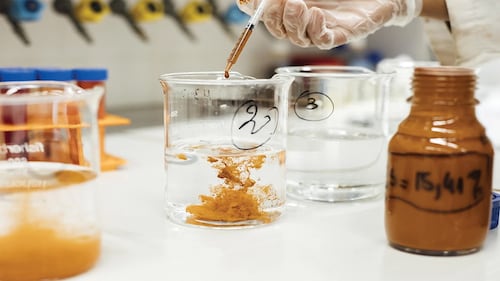
Some of fashion’s biggest brands have started to drive down their planet-warming emissions as proven solutions roll out across the supply chain.
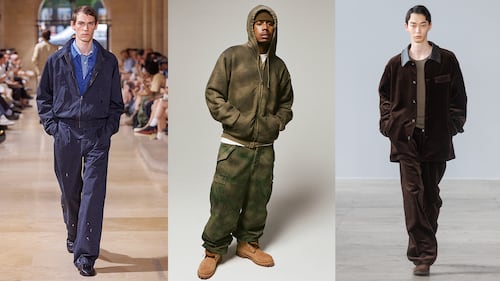
A cohort of Japanese labels is defying the luxury slump with a blend of tastefully understated design, meticulous craftsmanship and accessible pricing.
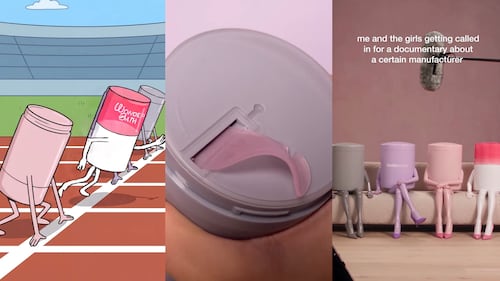
The manufacturer of the gel eye masks that broke the internet weighs in on why Fenty Beauty, Huda Beauty, and Glow Recipe announced the same product within a week.
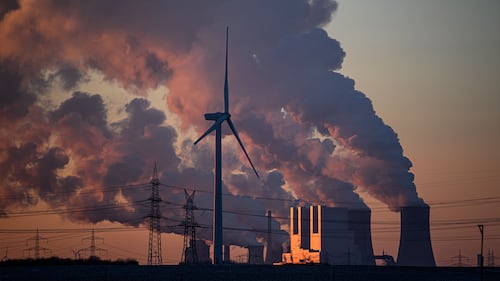
At New York Climate Week, fashion again pledged to turn its talk into action, with the launch of a new coalition bringing together dozens of brands, manufacturers, retailers and innovators. Real reductions of the industry’s impact, meanwhile, remain elusive.
ADVERTISEMENT
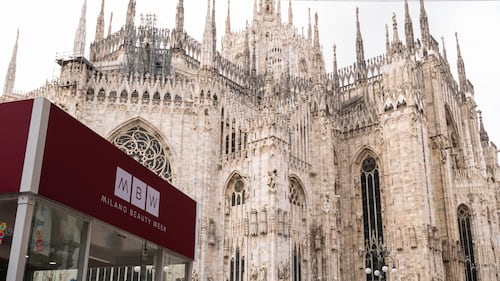
At Milan Beauty Week, one of the world’s cosmetic manufacturing hubs demonstrated why ‘Made in Italy’ still matters with a new urgency.

Conflict in the Middle East is ratcheting up energy costs and hampering production in many of fashion's key production hubs.
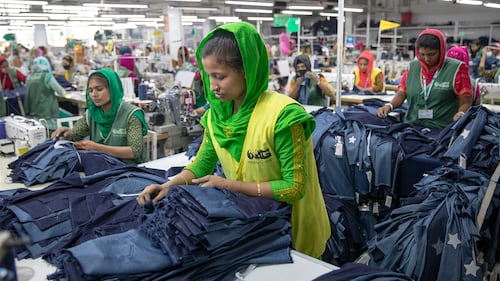
Investments to reduce heat stress for garment factory workers can pay for themselves within four years, a new report from Cornell University's Global Labor Institute finds.

An industry temperature check in Geneva showed executives concerned about component suppliers as the polarisation of the Swiss watchmaking sector deepens.
ADVERTISEMENT
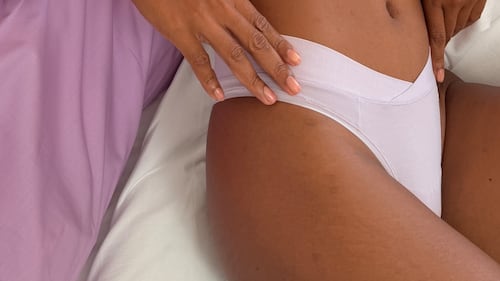
Labels like Underdays and Sylva are on the vanguard of a new category called 'carewear,' creating clothing with wellness or skincare benefits. But the business plan is still a work in progress.
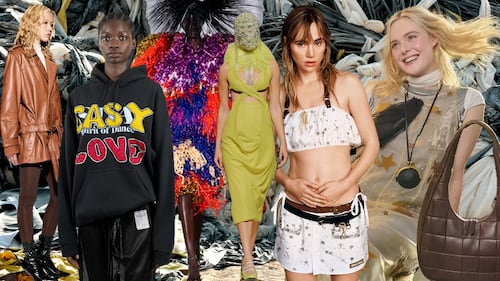
From Miu Miu to Coach, upcycling is moving beyond sustainability capsules into mainstream fashion as brands highlight the design and uniqueness of their products as much as — if not more than — their sustainability benefits.

The Zuru Group, which owns brands like Monday Haircare and Daise, has used its manufacturing prowess and retailer relationships to build a $1 billion business. One woman leads them all.
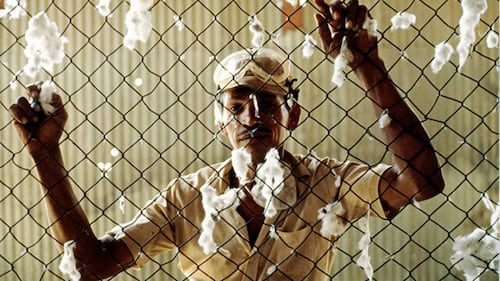
Fashion’s biggest sustainability challenges don’t exist in isolation. Increasingly, neither do the solutions.
The British retail group has pushed its stake in the German apparel brand above 50 percent in a move that will turn Hugo Boss into a subsidiary of Frasers.
The settlement, equivalent to 44 percent of the ultra fast-fashion company’s second-quarter profit, is the latest blow amid regulatory and tax crackdowns in Europe and the US that have hampered Shein’s growth.
The recovery long promised by luxury brands seems nowhere in sight, as the expansion of war in the Middle East, along with China’s tax crackdown on the wealthy, piled further pressure on the world’s biggest luxury conglomerates in the third quarter, and executives buckled in for a tough winter.
Sales fell in September as above-average temperatures hit demand for autumn clothing.
Hitting newsstands in October, the magazine marks Elle’s 51st international edition, published under licence by the Geomedia group.
Pearl, a subsidiary of David’s Bridal, will own David’s Bridal and license its intellectual property back to the bridalwear brand. David’s Bridal CEO Kelly Cook will serve as Pearl’s CEO.
The French giant handily beat expectations on strong demand for hair products at salons and premium skincare from its dermatological division.
The maker of Pantene shampoo was helped by strong personal care demand, but expects higher commodity costs to reduce profit by about $1.4 billion this year.