Amorepacific Third-Quarter Revenue Rises 11%, Overseas Growth Cools
Revenue growth outpaced the previous quarter in the Korean conglomerate’s domestic market, but slowed internationally.

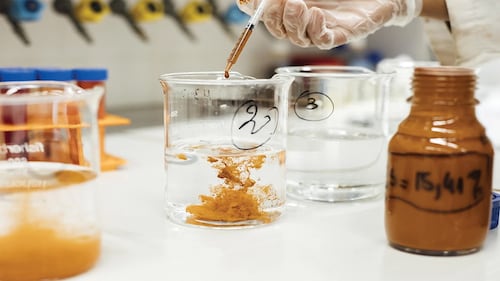
Some of fashion’s biggest brands have started to drive down their planet-warming emissions as proven solutions roll out across the supply chain.
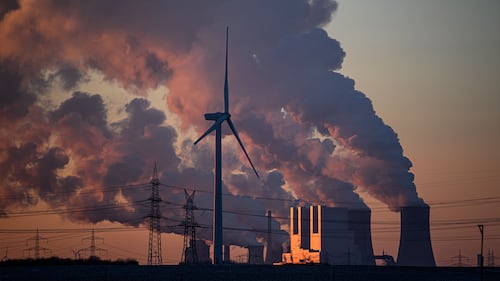
At New York Climate Week, fashion again pledged to turn its talk into action, with the launch of a new coalition bringing together dozens of brands, manufacturers, retailers and innovators. Real reductions of the industry’s impact, meanwhile, remain elusive.
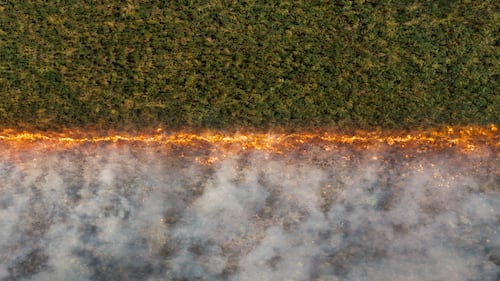
As extreme weather and nature loss threaten fashion’s access to key raw materials, the industry is looking for ways to shore up supply chains. Early results show it’s possible to build resilience, but also how difficult it is to scale effective action.
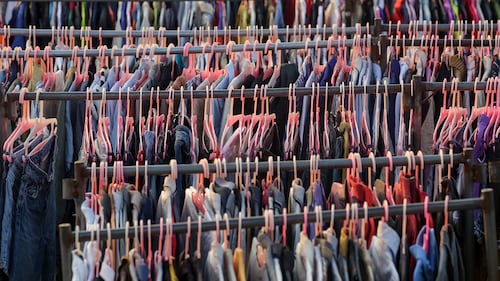
Energy, shipping and material costs are going up thanks to the conflict in Iran, with consumers likely to start feeling the impacts this autumn.
ADVERTISEMENT

From Miu Miu to Coach, upcycling is moving beyond sustainability capsules into mainstream fashion as brands highlight the design and uniqueness of their products as much as — if not more than — their sustainability benefits.
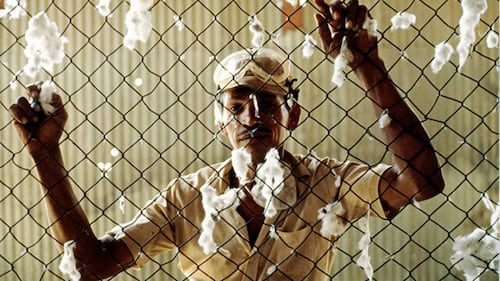
Fashion’s biggest sustainability challenges don’t exist in isolation. Increasingly, neither do the solutions.

The material has become a lightning rod on social media as shoppers reject synthetics and seek out clothes made from natural fibres. The reasons go beyond consumers viewing polyester clothing as cheap or poor quality.
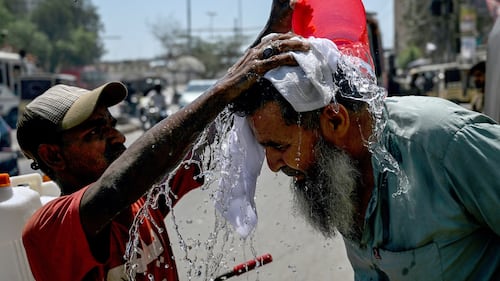
Record-breaking temperatures are threatening worker health and disrupting production, but there are simple, cost-effective steps the industry can take to adapt.
ADVERTISEMENT

The hottest chatter in Paris and Milan this week has been, well, the heat itself.

While H&M and Kering have cut emissions by more than a third, the majority of fashion’s biggest brands remain behind the schedule they set for themselves.

At this year’s Global Fashion Summit, the industry reframed sustainability around its financial value and presented it as a business survival strategy.

As the presence of PFAs in apparel comes into the spotlight, and ‘sustainable’ collaborations driven by overproduction hit the market, fashion’s definition of sustainability looks increasingly hard to defend.
Revenue growth outpaced the previous quarter in the Korean conglomerate’s domestic market, but slowed internationally.
Current president Debi Chirichella will be Hearst Magazine’s next chair.
Eli Lilly & Co. raised its full-year sales forecast as demand for its blockbuster obesity and diabetes drugs continues to surge, giving the drugmaker more momentum as it expands into pills and develops even more powerful weight-loss treatments.
The move relaxes rules to access some peptide compounds for recovery, sleep and cognition and will require pharmacies to notify regulators about adverse events.
The German sneaker brand on Thursday reported strong growth in apparel and sports gear, led by running, training and football products, elaborating on preliminary results published last week.
The decision underscores the challenge Japanese retailers face as persistent inflation squeezes household budgets.
Ahead of its first Capital Markets Day in Madrid, the Spanish beauty group has unveiled its “Vision 2032” and detailed its plans to grow its share of the global fragrance market.
Private equity firms CVC Capital Partners and Cinven, along with Spanish beauty group Puig, are considering acquiring Parfums de Marly, the luxury fragrance brand owned by Advent International, two people familiar with the matter told Reuters.