Nylon Recycling Startup Syntetica Raises $30 Million Series A
Lululemon and apparel manufacturer MAS Holdings are among the investors backing the French startup as it scales a proprietary process for recycling nylon from mixed-textile waste.


Shayeza Walid is Senior Editorial Associate covering Sustainability at The Business of Fashion. She is based in London and covers stories on fashion's environmental impact, climate accountability, labour issues and other international stories across the supply chain. Previously, she was contributing reporter at The New York Times, covering South Asia and an international features contributor at Variety, Esquire and Screen International. She holds a Masters of Science from Columbia Journalism School.

Cooper will succeed David Pemsel as the fashion trade body’s chair effective Oct. 1.
Cooper will succeed David Pemsel as the fashion trade body’s chair effective Oct. 1.
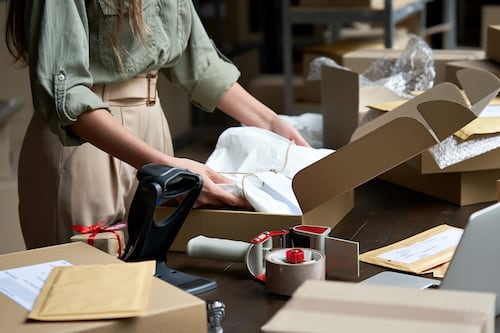
Owners of small businesses have taken to social media to complain about a new EU packaging rule they say creates costs and complexities they aren't equipped to handle. Here's what you need to know about it.
Owners of small businesses have taken to social media to complain about a new EU packaging rule they say creates costs and complexities they aren't equipped to handle. Here's what you need to know about it.

BoF senior editorial associate Shayeza Walid joins Sheena Butler-Young on The Debrief to unpack why upcycling is breaking into the mainstream — and whether it can become a durable part of fashion's supply chain.
BoF senior editorial associate Shayeza Walid joins Sheena Butler-Young on The Debrief to unpack why upcycling is breaking into the mainstream — and whether it can become a durable part of fashion's supply chain.

From Miu Miu to Coach, upcycling is moving beyond sustainability capsules into mainstream fashion as brands highlight the design and uniqueness of their products as much as — if not more than — their sustainability benefits.
From Miu Miu to Coach, upcycling is moving beyond sustainability capsules into mainstream fashion as brands highlight the design and uniqueness of their products as much as — if not more than — their sustainability benefits.
ADVERTISEMENT
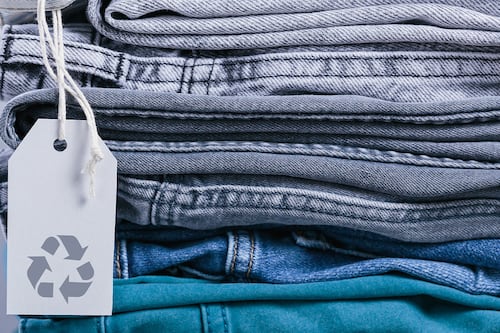
The industry’s underlying economics still make it difficult for more sustainable business models to compete. Brands that take responsibility for a garment’s full lifecycle, including what happens after it’s sold and then discarded, shoulder costs that others don’t.
The industry’s underlying economics still make it difficult for more sustainable business models to compete. Brands that take responsibility for a garment’s full lifecycle, including what happens after it’s sold and then discarded, shoulder costs that others don’t.

While the Middle East conflict has punctured Dubai’s aura of invulnerability and prompted some to question the city’s future, it has done little to erode the advantages that made it the region’s fashion gateway in the first place.
While the Middle East conflict has punctured Dubai’s aura of invulnerability and prompted some to question the city’s future, it has done little to erode the advantages that made it the region’s fashion gateway in the first place.

A BoF analysis of recommendations by ChatGPT, Claude and Gemini found that brands' online reputations and how users phrase their questions matters more than actual environmental performance.
A BoF analysis of recommendations by ChatGPT, Claude and Gemini found that brands' online reputations and how users phrase their questions matters more than actual environmental performance.

The sustainability-focused showcase returns next week with regional staples Marimekko and By Malene Birger coming back, the debut of Collina Strada, and a continued focus on community that's made it one of fashion's most influential regional fashion weeks.
The sustainability-focused showcase returns next week with regional staples Marimekko and By Malene Birger coming back, the debut of Collina Strada, and a continued focus on community that's made it one of fashion's most influential regional fashion weeks.
ADVERTISEMENT
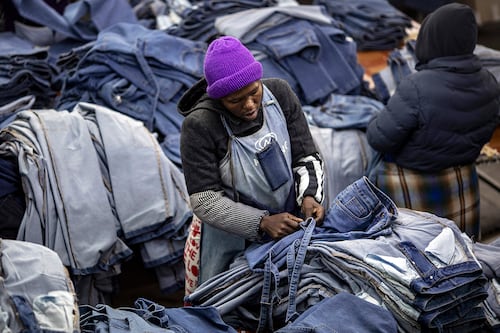
The new duties’ focus on forced labour is widely seen as a pretext for the Trump administration to rebuild its tariff wall. But could they actually help address forced labour in fashion’s supply chain?
The new duties’ focus on forced labour is widely seen as a pretext for the Trump administration to rebuild its tariff wall. But could they actually help address forced labour in fashion’s supply chain?
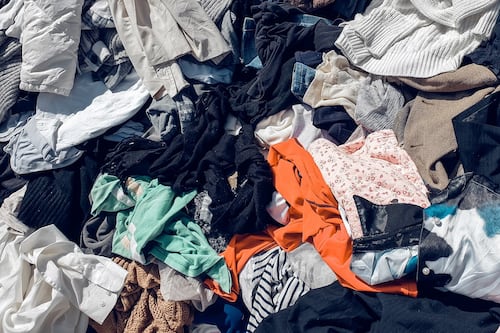
Companies from luxury groups to high-street giants are rethinking what to do with unsold goods in the EU as its ban on destroying excess inventory takes effect. Critics say loopholes in the rules could cause problems.
Companies from luxury groups to high-street giants are rethinking what to do with unsold goods in the EU as its ban on destroying excess inventory takes effect. Critics say loopholes in the rules could cause problems.
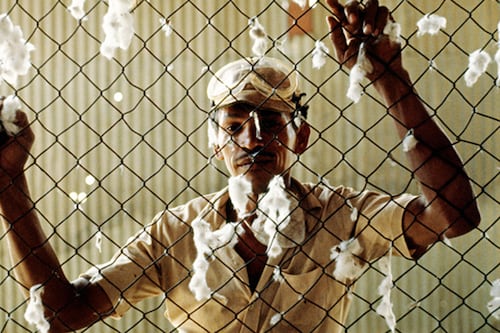
Fashion’s biggest sustainability challenges don’t exist in isolation. Increasingly, neither do the solutions.
Fashion’s biggest sustainability challenges don’t exist in isolation. Increasingly, neither do the solutions.

The material has become a lightning rod on social media as shoppers reject synthetics and seek out clothes made from natural fibres. The reasons go beyond consumers viewing polyester clothing as cheap or poor quality.
The material has become a lightning rod on social media as shoppers reject synthetics and seek out clothes made from natural fibres. The reasons go beyond consumers viewing polyester clothing as cheap or poor quality.
Lululemon and apparel manufacturer MAS Holdings are among the investors backing the French startup as it scales a proprietary process for recycling nylon from mixed-textile waste.
The Clean Clothes Campaign and four Dutch consumers have accused the denim brand of failing to meet the responsible production standards it promotes in its marketing.
The company is shifting to shorter-term, measurable goals after dropping its target of reaching net-zero emissions by 2040 last year.
The new tool published by the climate-focused nonprofit aims to create a standardised benchmark across textile facilities to accelerate fashion’s efforts to decarbonise.
The bloc’s overhaul sharply reduces the number of companies covered by ESG reporting and supply chain due-diligence laws, easing compliance pressures but increasing concerns over accountability.
The European Commission has adopted new measures that will require medium and large companies to stop discarding unsold clothing and footwear, in the bloc’s latest move to target textile waste.
The ultra-fast fashion retailer says it has updated language on its website following engagement with the group.
Kazumi Asamura Hayashi will take the helm later this month, marking a new chapter for Vogue Japan after a leadership transition at Condé Nast Japan.