Agenda-setting intelligence, analysis and advice for the global fashion community.
Agenda-setting intelligence, analysis and advice for the global fashion community.

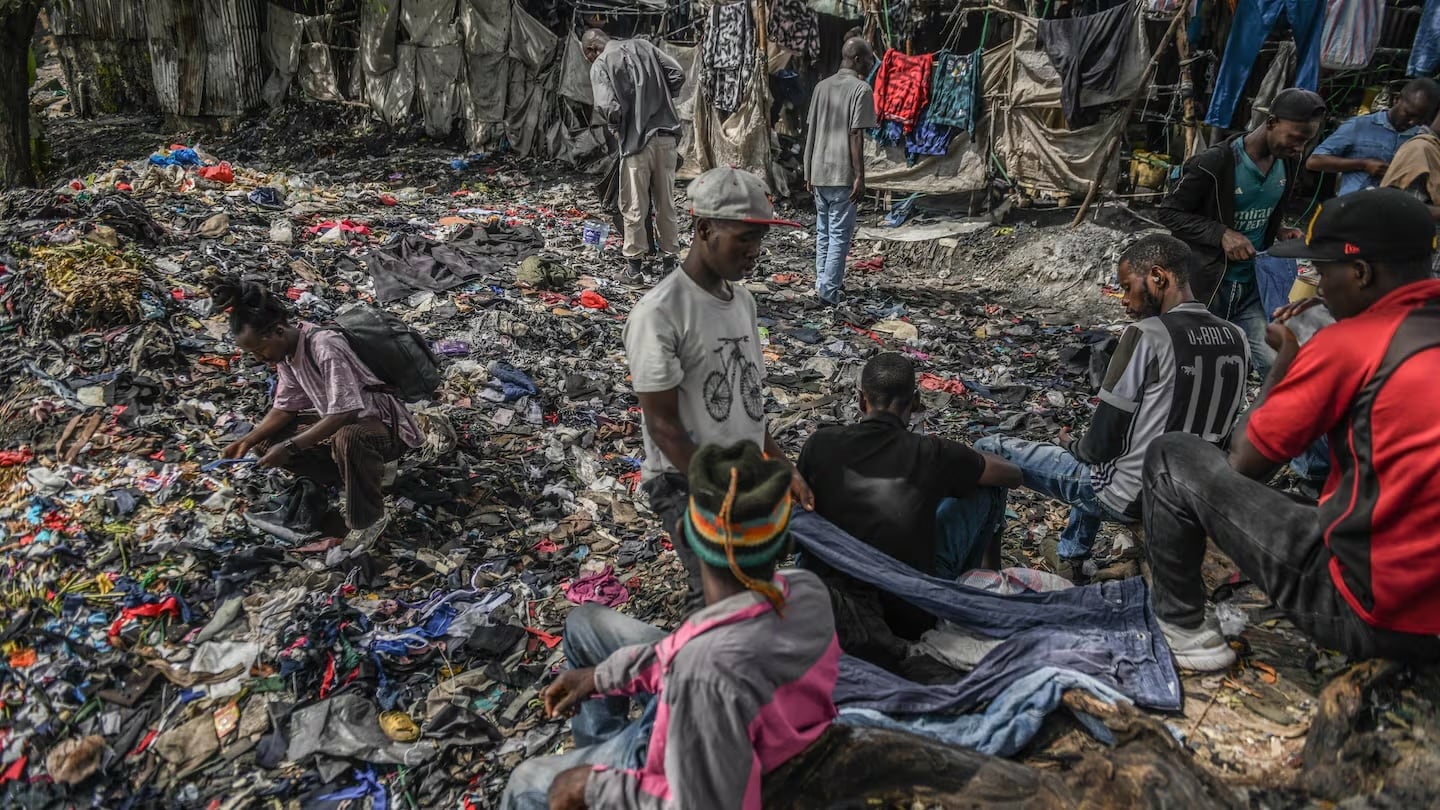
On Tuesday, some of fashion’s biggest companies launched a new initiative with Ghana-based non-profit The Or Foundation aimed at addressing the problem of “waste colonialism.”
H&M Group, Adidas, Bestseller and Zara-owner Inditex have formed the Apparel Recovery Coalition (ARC), a two-year initiative that will explore how brands can help fund reuse, upcycling, recycling and waste management in countries that receive large volumes of exported secondhand clothing. As part of the coalition, brands will make voluntary financial contributions to support projects spearheaded by the Or Foundation, such as training programmes, environmental remediation and infrastructure investments.
The initiative comes as new regulations, particularly in Europe, are taking aim at the growing levels of waste generated by the fashion industry.
Policymakers want to make fashion companies increasingly responsible for funding the collection and management of clothes they sell once they are discarded. But such extended producer responsibility, or EPR, schemes have faced criticism for focusing spending on the countries where garments are initially sold, even though the waste problem often shows up overseas in Africa, Asia and Latin America, where large volumes of used clothing are exported for resale.
ADVERTISEMENT
According to the latest data from the European Environment Agency, exports of used textiles from the EU alone more than doubled between 2005 and 2025 reaching over 1.44 million tonnes last year - with Africa and Asia as the principal destinations.
The Or Foundation, which works in Ghana’s Kantamanto secondhand clothing market, has described this dynamic as “waste colonialism,” arguing that producer responsibility funding should follow garments to the countries that ultimately shoulder the costs of managing the waste.
Over the next two years, ARC plans to develop and test a producer responsibility model that better accounts for these cross-border flows, working with brands, recyclers, policymakers and affected communities. The initiative will initially focus on Ghana, with plans to expand its work to another recipient country in the future.
Learn more:
Explainer: Can Big Fashion Make Recycling Work at Scale?
Industry coalition ReHubs is calling for billions of dollars of investment to establish industrialised textile recycling capabilities in Europe. For its strategy to work, many elements still need to fall into place.
Loading recommended reads…
Fenty Beauty’s first 12-hour online shopping event, featuring Rihanna, shows how a new generation of brands are embracing the practised art of live selling.
The policy bars ads from ByteDance, which remains in charge of key parts of TikTok, and extends to third-party advertisers running campaigns that link to TikTok.
The departure of Athleta’s CEO for Lululemon is a chance to ‘reimagine the brand’s path forward,’ Gap Inc. CEO Richard Dickson wrote in an internal memo viewed by Bloomberg.
Opening in Q4 2026 on Saadiyat Island — at the heart of Abu Dhabi’s cultural district — Saadiyat Grove brings together luxury retail, hospitality, residential living and culture in one of the emirate’s most ambitious new developments. BoF speaks to Jonathan Emery, chief executive officer of Aldar Development, about the strategic vision behind the project.