Audemars Piguet to Certify Its Pre-Owned Watches Following Rolex
Whereas Rolex is both a buyer and seller of its second-hand watches through official retail partners, Audemars is setting up a marketplace where sellers set prices.

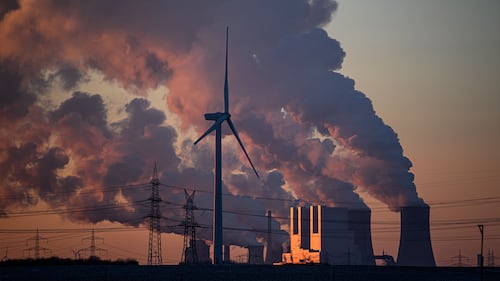
At New York Climate Week, fashion again pledged to turn its talk into action, with the launch of a new coalition bringing together dozens of brands, manufacturers, retailers and innovators. Real reductions of the industry’s impact, meanwhile, remain elusive.

Luxury’s biggest brands have tightened supplier oversight since a sweatshops scandal threatened to taint their reputations, but critics say compliance efforts have stalled and little has been done to tackle the systemic issues that enable labour exploitation.
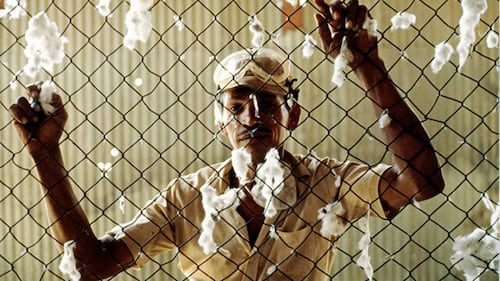
Fashion’s biggest sustainability challenges don’t exist in isolation. Increasingly, neither do the solutions.
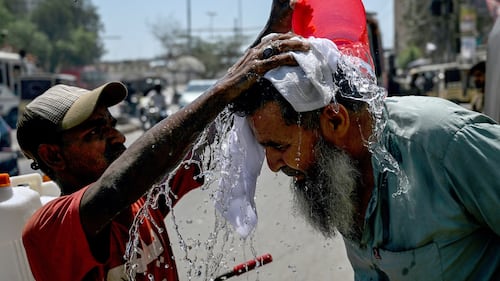
Record-breaking temperatures are threatening worker health and disrupting production, but there are simple, cost-effective steps the industry can take to adapt.
ADVERTISEMENT

With the US, EU and Canada introducing measures on forced labour in supply chains, traceability is no longer just a sustainability initiative but a necessity for market access.

A new report finds suppliers and workers are absorbing the industry’s relentless push for lower prices more than ever before, while Shein’s acquisition of Everlane underscores how fashion’ current growth model still remains deeply at odds with sustainability.

At this year’s Global Fashion Summit, the industry reframed sustainability around its financial value and presented it as a business survival strategy.

A US trade probe into forced labour could trigger new tariffs and import bans, forcing fashion brands to implement more robust supply-chain transparency.
ADVERTISEMENT

Textile hubs are already feeling the cascading risks of the conflict in Iran as Washington ramps up forced labour probes to revive tariffs, while decarbonisation in fashion’s factories might finally have a standard to go off of.

Copenhagen Fashion Week’s 20th edition offered promise in pushing fashion’s sustainability agenda from within, defying the wider industry's pullback from the cause. But with fashion’s decarbonisation trajectory offtrack, Shein’s questionable climate targets, paired with labour abuse in Nike and Prada’s supply chains, there’s still a long way to go.

Progress stalled after Shein demanded that local suppliers lower prices and deliver orders faster than they could manage, Reuters reported.
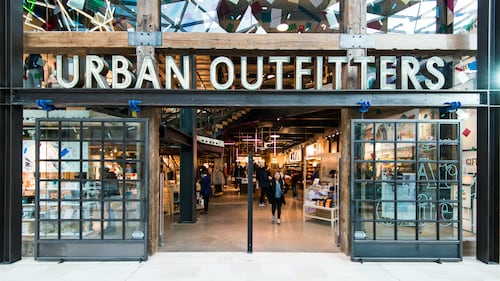
Urban Outfitters and others have come under fire for advertising jobs on Temper, an gig economy app that’s been criticised for not offering basic employment rights.
Whereas Rolex is both a buyer and seller of its second-hand watches through official retail partners, Audemars is setting up a marketplace where sellers set prices.
The British retail group has pushed its stake in the German apparel brand above 50 percent in a move that will turn Hugo Boss into a subsidiary of Frasers.
The settlement, equivalent to 44 percent of the ultra fast-fashion company’s second-quarter profit, is the latest blow amid regulatory and tax crackdowns in Europe and the US that have hampered Shein’s growth.
The recovery long promised by luxury brands seems nowhere in sight, as the expansion of war in the Middle East, along with China’s tax crackdown on the wealthy, piled further pressure on the world’s biggest luxury conglomerates in the third quarter, and executives buckled in for a tough winter.
Sales fell in September as above-average temperatures hit demand for autumn clothing.
Hitting newsstands in October, the magazine marks Elle’s 51st international edition, published under licence by the Geomedia group.
Pearl, a subsidiary of David’s Bridal, will own David’s Bridal and license its intellectual property back to the bridalwear brand. David’s Bridal CEO Kelly Cook will serve as Pearl’s CEO.
The French giant handily beat expectations on strong demand for hair products at salons and premium skincare from its dermatological division.