Agenda-setting intelligence, analysis and advice for the global fashion community.
Agenda-setting intelligence, analysis and advice for the global fashion community.


When Canada Goose designed its first non-parka apparel line more than 15 years ago, the timing was off, according to, Carrie Baker, brand and commercial president at the company.
Back then, the Toronto-based coat maker had just begun to build its reputation in outerwear and a foray into new categories risked diluting the brand. The collection never made it to launch.
“It was a great category opportunity, but not yet,” said Baker.
Since then, Canada Goose has taken a slower approach to new products, gradually launching knitwear, rain jackets and more recently, footwear and eyewear. Even then, they took time to gain traction. Last year, apparel, rainwear and windwear made up 15 percent of the company’s sales, up from 5 percent in 2021.
ADVERTISEMENT
Launching new categories is a tempting growth-driving tactic. Licensing agreements make doing so easy, but can lead to a proliferation of merchandise that tarnishes a brand’s reputation — a trajectory that occurred at Pierre Cardin, Perry Ellis, Bill Blass and many more. But even brands that actually invest in design and product research can suffer from identity dilution and operational bloat.
When Allbirds’s attempt to launch apparel tied up capital in new garments like sandals, underwear and wool workout gear that failed to resonate. Glossier’s foray into colour cosmetics with its Play sub-brand alienated the minimalist loyalists who built its cult following. Banana Republic’s 2022 push into furniture turned out to be a distraction from its struggling core business; it exited the category 13 months after launch.
“Brand equity is so fragile in the first 10 years of a business, even 15 years of a business,” said Emily Heyward, co-founder of creative agency Red Antler. “There is a risk even going into adjacent categories, because your products might not form the same impression as when people fell in love with you with the thing that you do best.” The stakes are even higher for brands that are known for one iconic product, she added.
To launch a new category successfully, whether it’s a small step from sandals to heels or a leap from apparel to home goods, brands need both the authority to create something genuinely differentiated and the trust of their existing customers to follow them there. A new venture also always requires its own resources: talent, suppliers, producers, distribution and marketing channels.
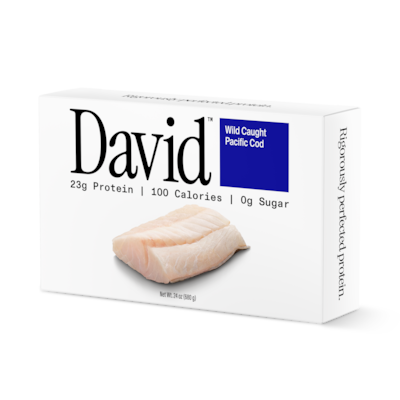
The stakes are always high, and even a publicity stunt can backfire, leaving a lasting sour taste among would-be customers.
“As a growing company, all you have is your time,” said Peter Rahal, founder of David Protein, a company known for low-calorie protein bars that went viral last year for its release of frozen cod fillets, a stunt that earned accolades among marketers and generated plenty of buzz for the burgeoning brand. “The risk is we spend all our resources on something that doesn’t work, that looks stupid,” he said. “But I think courage is important.” Last month, David launched its third category: ice cream, a much more serious endeavour that Rahal hopes will make up a new revenue stream.
Heyward said she sees primarily three types of new product launches. The most common are closely related categories — think a brand known for parkas expanding its outerwear assortment, or a fashion label launching bags. Then there’s what Heyward calls the lifestyle playbook, building a universe around a certain aesthetic — the Ralph Lauren playbook.
Lastly, there’s the marketing stunt, like David’s cod or Skims’ nipple bra in 2023, that aim to provoke and drive conversation rather than meaningful sales.
ADVERTISEMENT
Each launch should have a clear purpose, brand operators say, whether that’s solving a problem on the market, generating repeat purchases from existing customers, or educating shoppers about the brand.
“If the customer feels like you’re doing a cash grab, launching in a category without giving them a reason, then they start to lose faith that you have their best needs in their mind,” said Nathan Rivas, vice president of global research and product development at Drunk Elephant. The brand launched its first foundation earlier this month, a multi-use serum that employs a proprietary formula of amino acid-encapsulated pigment.
Sometimes, a launch can strive for two things at once: when Havaianas unveiled its new kitten heel flip-flop earlier this month, the intention was as much to make a splash culturally as it was to drum up desire for a new type of shoe that the brand hopes will eventually become a considerable revenue driver.
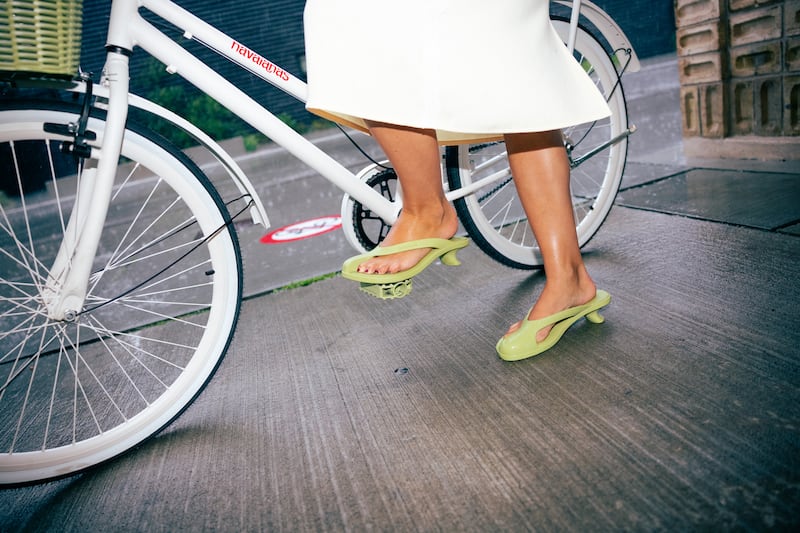
Rather than simply creating a heeled version of its iconic rubber flip-flop, Havaianas opted for an edgier design: a slanted elliptical heel that features a strap that conceals the entire toe.
“As the OG of the flip-flop and the leaders of the category, we need to set the trends,” said Maria Fernanda Albuquerque, the brand’s chief marketing officer. “We knew it would create some conversation and some desire.”
Havaianas released the shoe in a series of activations during Copenhagen Fashion Week, including a debut in Studio Constance’s runway show, a launch event and partnerships with various influencers. The shoe itself, however, won’t be available to purchase until next year, when Havaianas plans to roll out a series of heeled shoes, including wedges and platforms. For now, the objective is to drive discourse, hype and anticipation, Fernanda Albuquerque said.
Some expansion trajectories make more sense than others; a fashion line launching accessories, for instance, is always easier than the vice versa. But timing is everything when it comes to a launch, and jumping the gun can have dire consequences for a brand that simply isn’t ready.
“I’ve seen brands that are very young who are expanding very quickly into categories where maybe they haven’t even made their original voice quite defined,” said Rivas.
ADVERTISEMENT
For Canada Goose, finding the right moment was about building trust. “When you put on a Canada Goose jacket, you know it will keep you warm,” said Baker. “Earning that trust is what led us to different categories.”
With the market’s permission to create something new, building expertise comes next. The best new products are differentiated from what already exists on the market, which requires significant research and development. Having the right team in place and supply chain that’s up to par often amounts to years of building out infrastructure.

Each entry into a new category could look different from the next. When womenswear line Jenni Kayne launched its beauty line Oak Essentials in 2021, it created a sub-brand with its own dedicated team members. As it grew, Oak Essentials split off from the primary Jenni Kayne entity, building its own leadership team in order to operate independently, according to Kate Watters, the company’s president. Jenni Kayne’s home and furniture offerings, on the other hand, are managed in conjunction with the main line.
“The beauty industry is a different beast in the way they market, with a much lower price point and a slightly younger, different demographic,” said Watters. “Home and apparel for us are so closely related, like when we’re developing a home product Jenni is always thinking about how it looks and feels in our stores.”
While it’s important to listen to customer suggestions and for founder-led brands to follow their intuitions, not every idea warrants becoming a business. The most confident brands know when to say no — more often than they say yes.
For instance, for a brand to venture into lifestyle categories, Heyward said, it must have a clearly defined aesthetic that transcends its initial category, as well as a footprint of stores to showcase that vision. For a brand to pull off a category extension that’s made to be a publicity moment, it must already embody a sense of irreverence.
At Havaianas, every new product must follow the brand’s ethos and aesthetic codes, such as having a rubber sole, the famous flip-flop “V-strap,” the grainy rice texture of the in-sole and bearing its logo, in order to protect the brand.
“We’ve found that there are some codes and cues of the brand that we need to respect,” said Fernanda Albuquerque.
But as with every adage in business, there are exceptions. There are plenty of small, scrappy upstarts that have found success by quickly embracing customer requests, especially those that sell directly to their shoppers. Same, a Los Angeles-based label that started as a swimwear brand 10 years ago began slowly selling ready-to-wear pieces in 2024. Already today, non-swim apparel makes up 70 percent of its sales. The brand has since introduced jewellery, inspired by the custom hardware featured on its swimsuits, as well as outerwear.
“We’ve self-funded this project completely and after a couple of really strong financial years in the swimwear space, we really wanted to invest into expanding it,” said Shea Marie, influencer-turned-founder of the brand. “We felt like our customer was waiting for this.”
Increasingly expensive luxury handbags have made room for the contemporary market to grow. Brands that go into the category with a tight assortment and a strong aesthetic are best positioned for success.
Virality can be a blessing and a curse. To avoid becoming a one-hit wonder, companies should make the most of the moment, but also think long-term.

Cathaleen Chen is Retail Editor at The Business of Fashion. She is based in New York and drives BoF’s coverage of the retail and direct-to-consumer sectors.
Loading recommended reads…
Warm weather and a brighter national mood helped lift spending on clothing and household goods despite rising energy bills.
Shares in the eyewear giant, one of Europe's best-rated blue chips, have dropped 55 percent since November, while concerns are mounting over slowing growth and privacy issues for its AI glasses with Meta.
Zalando is using artificial intelligence to boost growth and efficiency, including a 90 percent reduction in the cost of creating website content. BoF went inside the push to win the AI race at Europe’s largest online fashion retailer.
The Swedish fast-fashion brand returned to London Fashion Week for a second year in a row as it doubles down on efforts to reassert its fashion credentials and reignite demand.