Agenda-setting intelligence, analysis and advice for the global fashion community.
Agenda-setting intelligence, analysis and advice for the global fashion community.


Wholesale relationships that once offered a clear path to visibility for emerging designers now come with margin compression that many small brands cannot absorb. Direct-to-consumer has democratised access to the customer but intensified the competition for attention. And the social media platforms that once rewarded organic discovery have been reshaped by algorithms, advertising budgets and, increasingly, artificial intelligence.
According to The Business of Fashion and McKinsey’s & Co’s The State of Fashion 2026 report, shopping-related searches on generative AI platforms grew 4,700 percent between 2024 and 2025. For independent designers without the budgets to buy their way into those ecosystems, the question of how to be discovered in this new era has become as urgent as the question of what to produce.
Felita Harris, co-founder and executive director of RaiseFashion, is direct about what the new discovery landscape demands. “Discoverability today is less about being seen and more about being understood. These tools are not responding to aesthetics. They are responding to information, structure and clarity. Which means the brands that surface most effectively are not necessarily the loudest or the most prolific. They are the most legible.”
Discoverability today is less about being seen and more about being understood.
— Felita Harris
RaiseFashion’s largest masterclass to date brings together 18 designers, connecting them with mentorship, retail connections, commerce expertise and a network of industry leaders committed to closing the gap between creative talent and commercial fluency.
April Hennig, president of Moda Operandi and mentor at RaiseFashion, understands the stakes from the buyer’s side. “For many emerging brands, talent is not the issue — access is. Access to buyers who understand how to position the brand, retail partners who can help build visibility and credibility and commerce platforms that can support sustainable growth rather than just short-term exposure.”
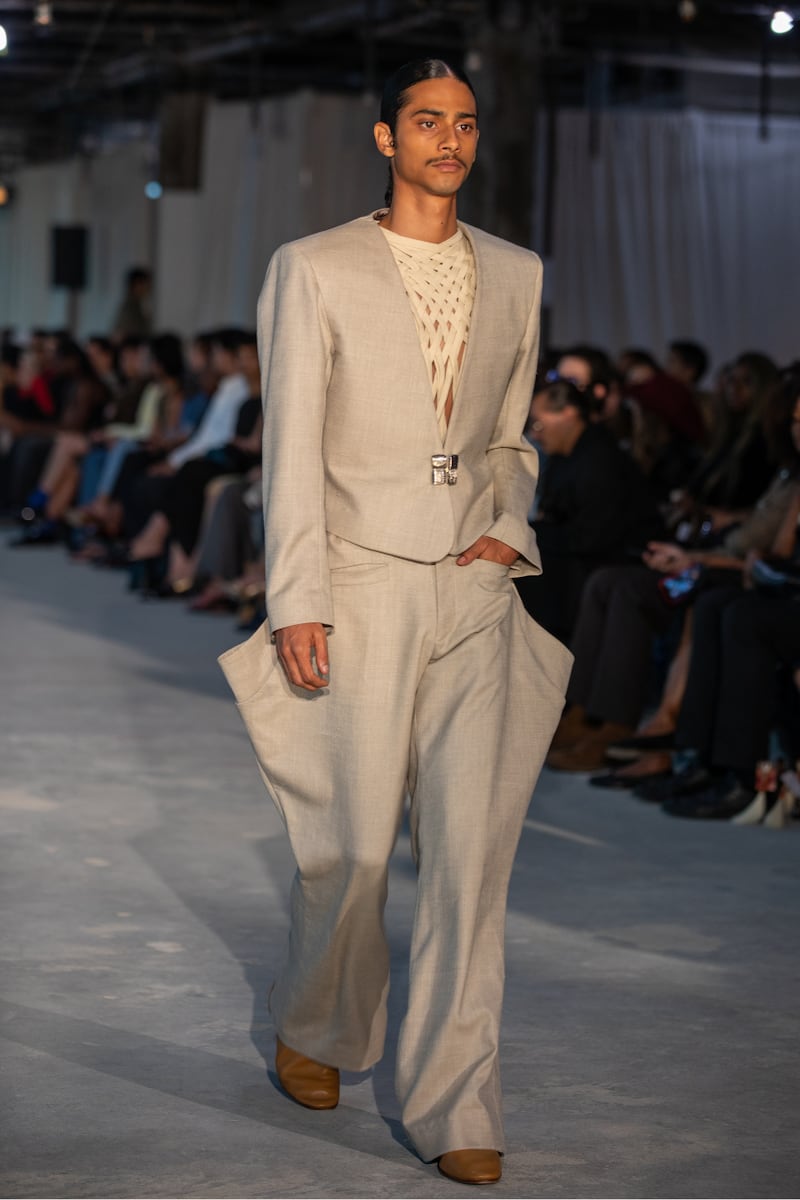
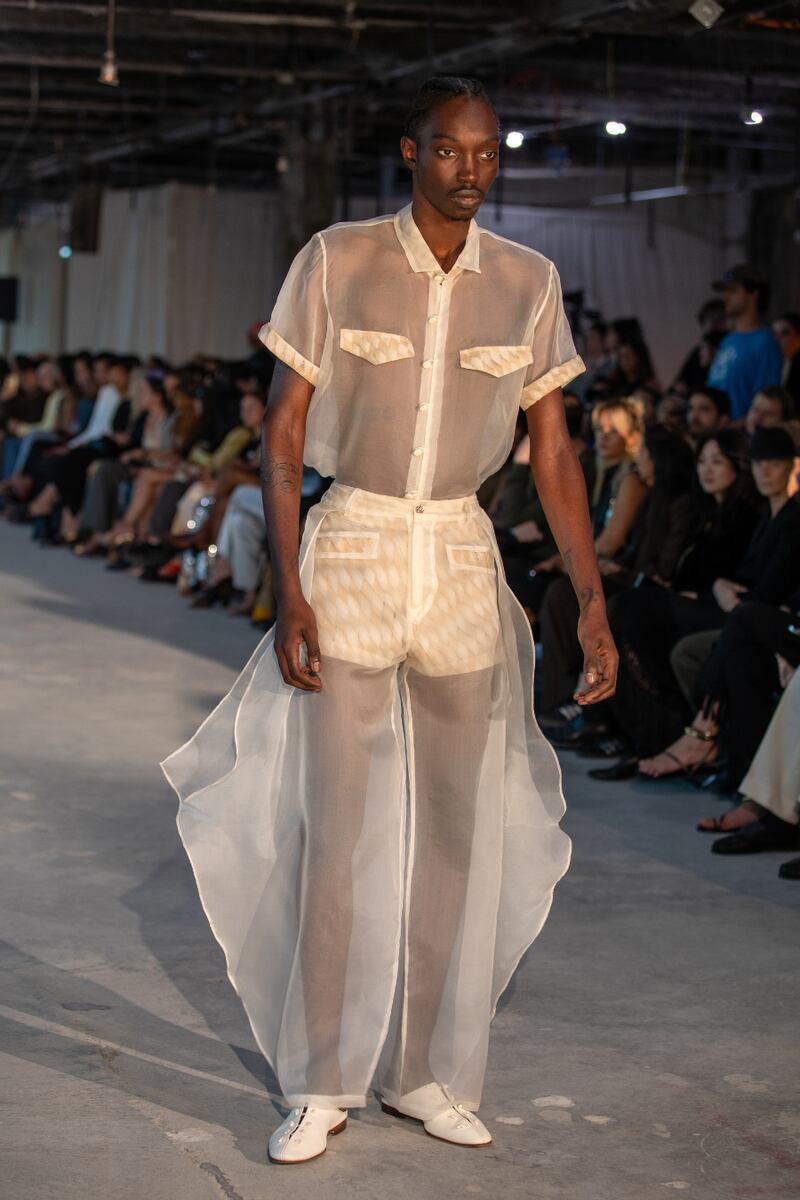
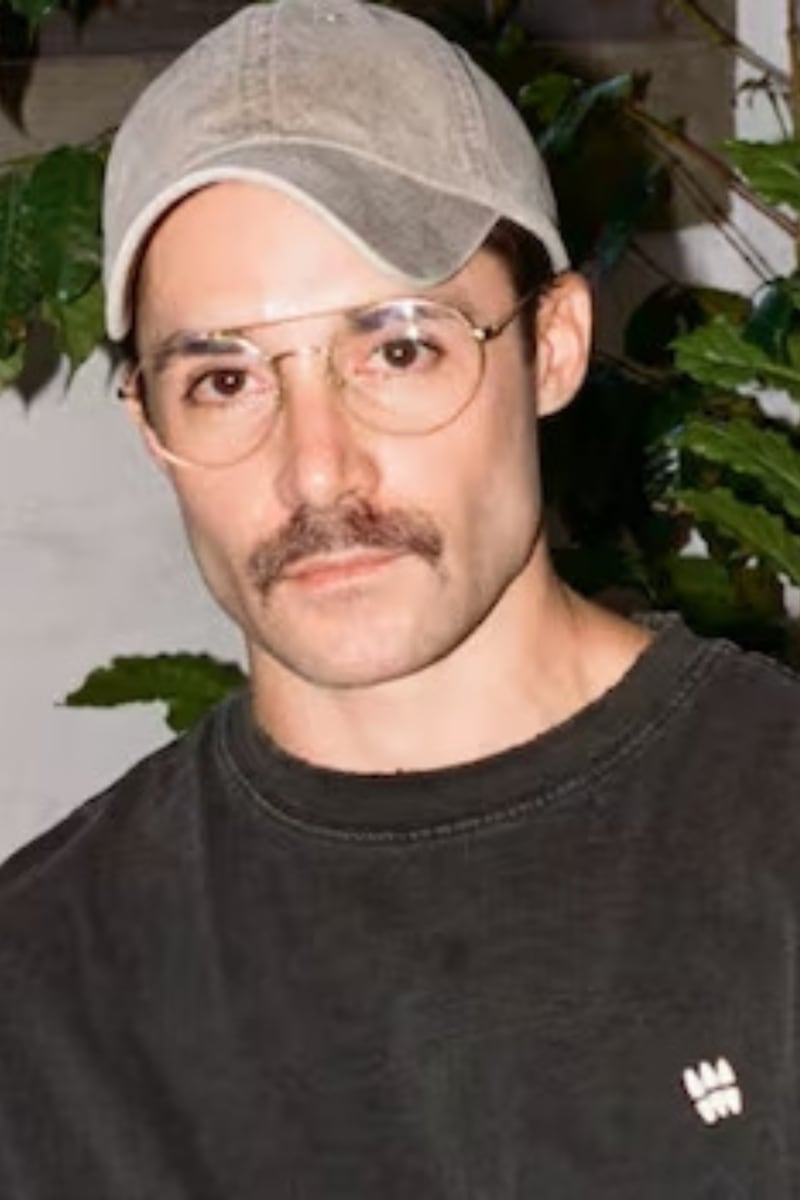
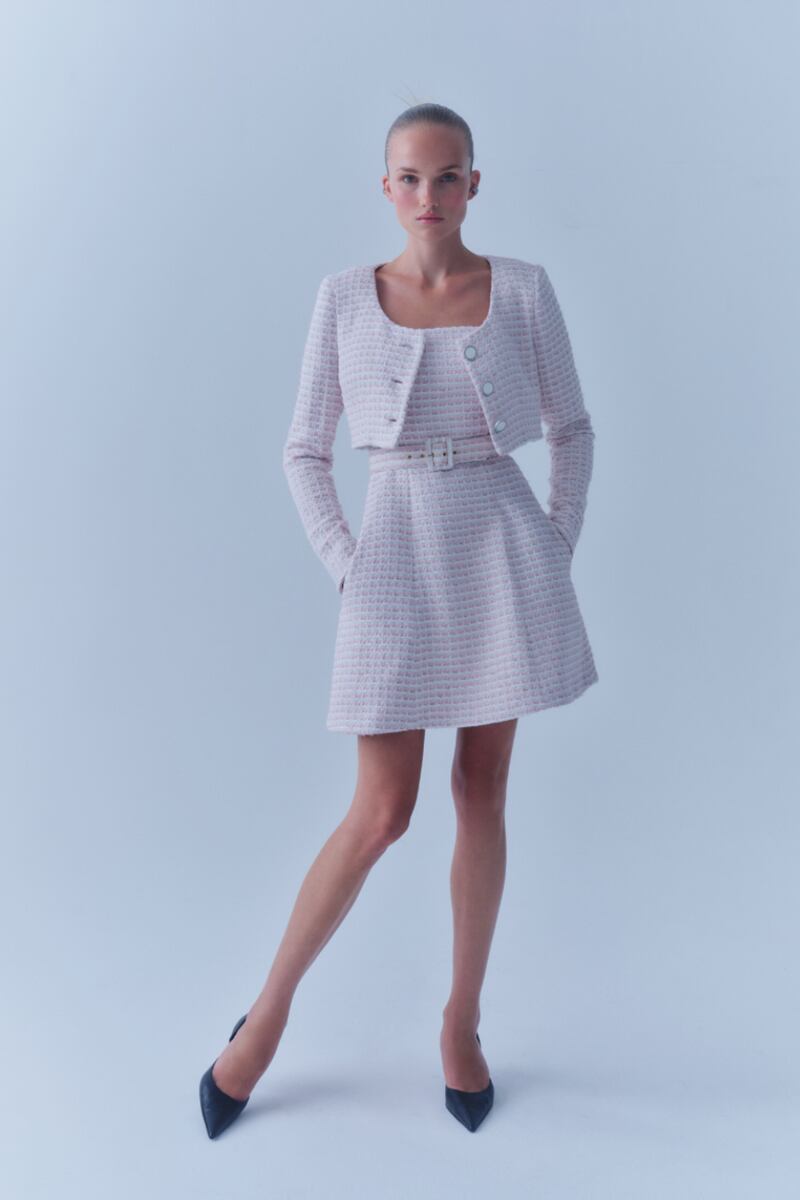
Six designers from this year’s cohort — Andrew Kwon, McKenzie Liautaud, Patricio Campillo, Natasha Das of Danarys New York, Rodney Patterson of Esenshel and Shao Yang — sat down with BoF’s content strategist Yasmine Dahlberg to discuss how they are thinking about reaching their customer, the retail and distribution bets they are making right now and what RaiseFashion’s network makes possible.
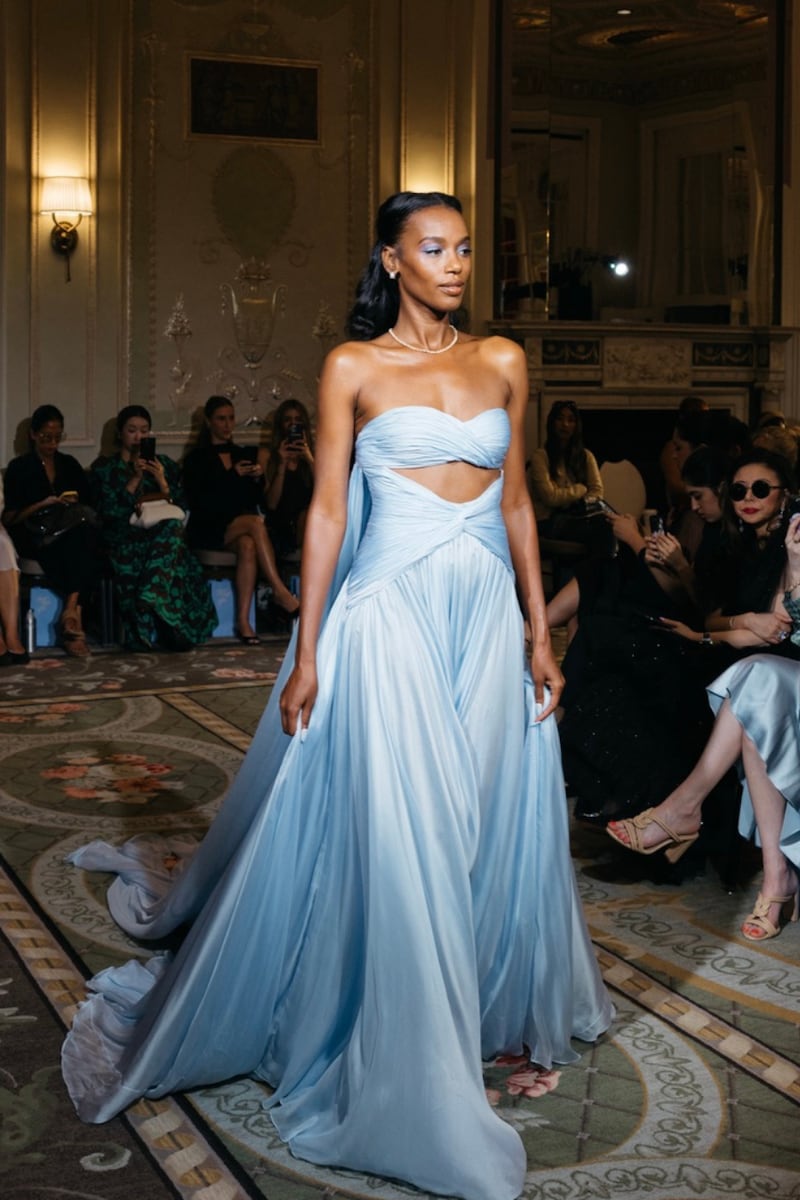
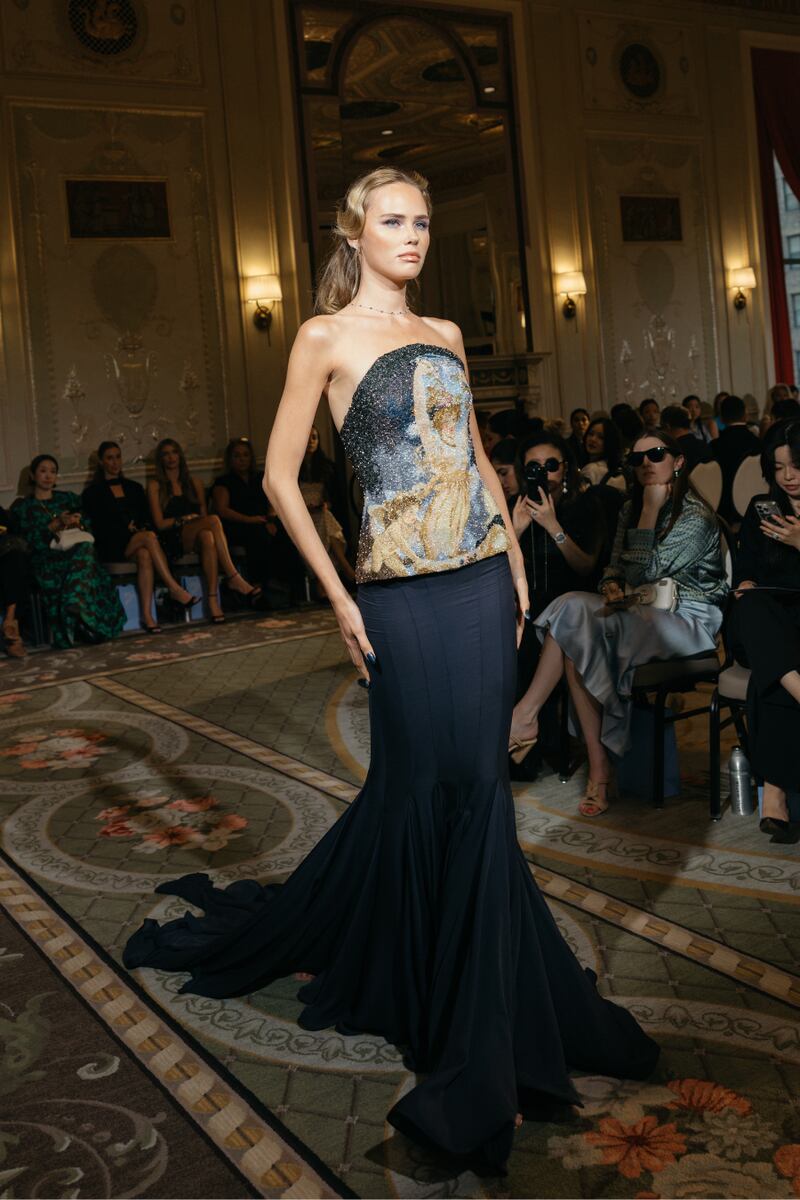
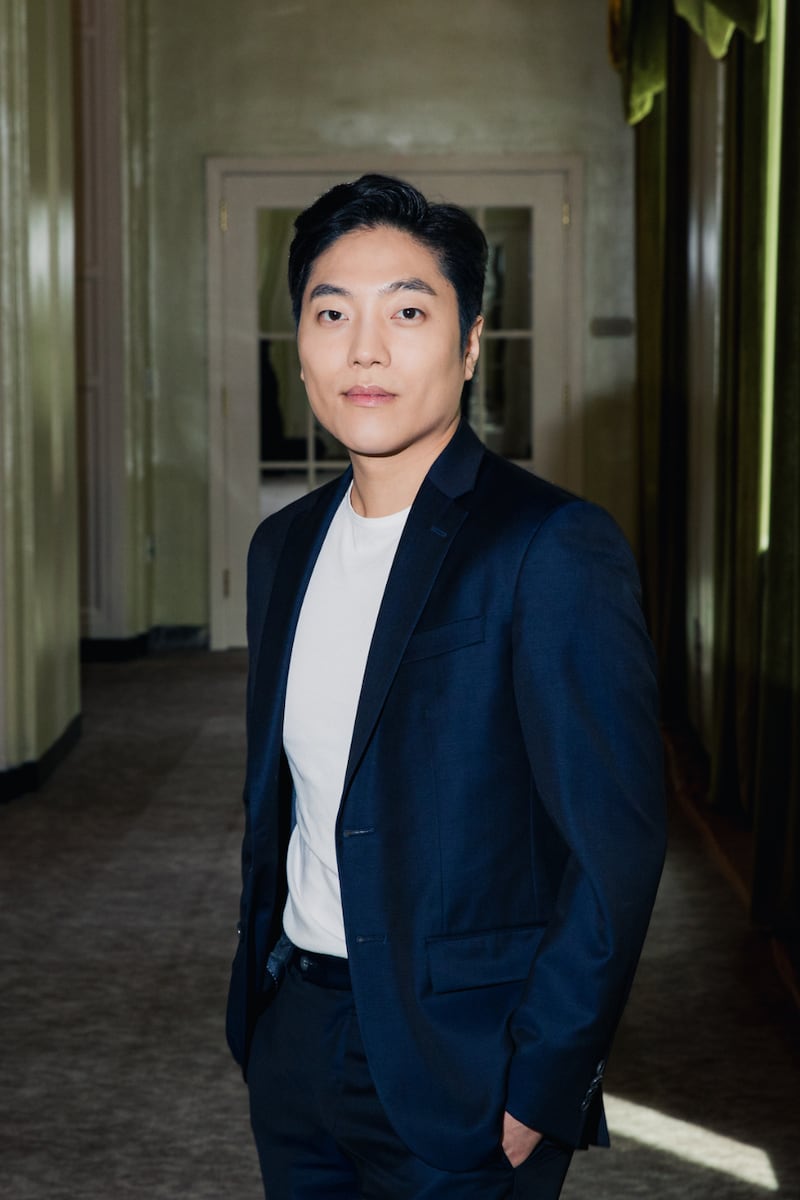
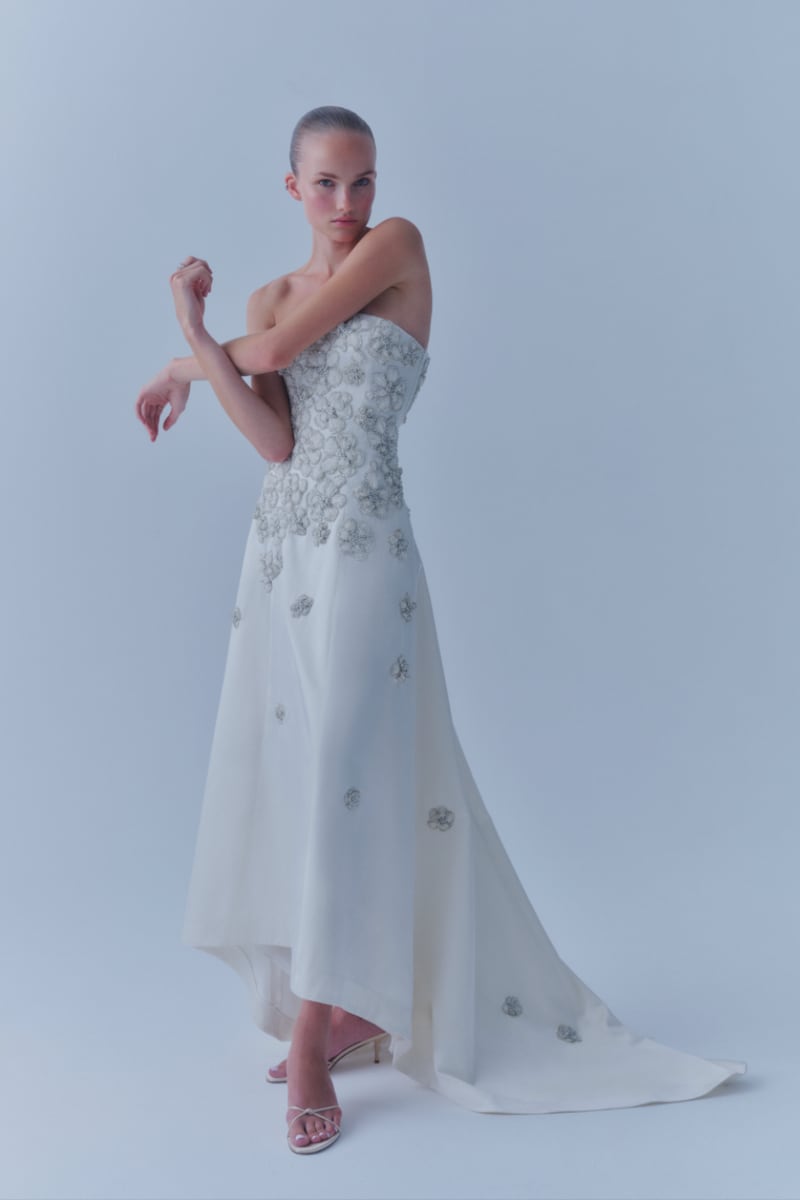
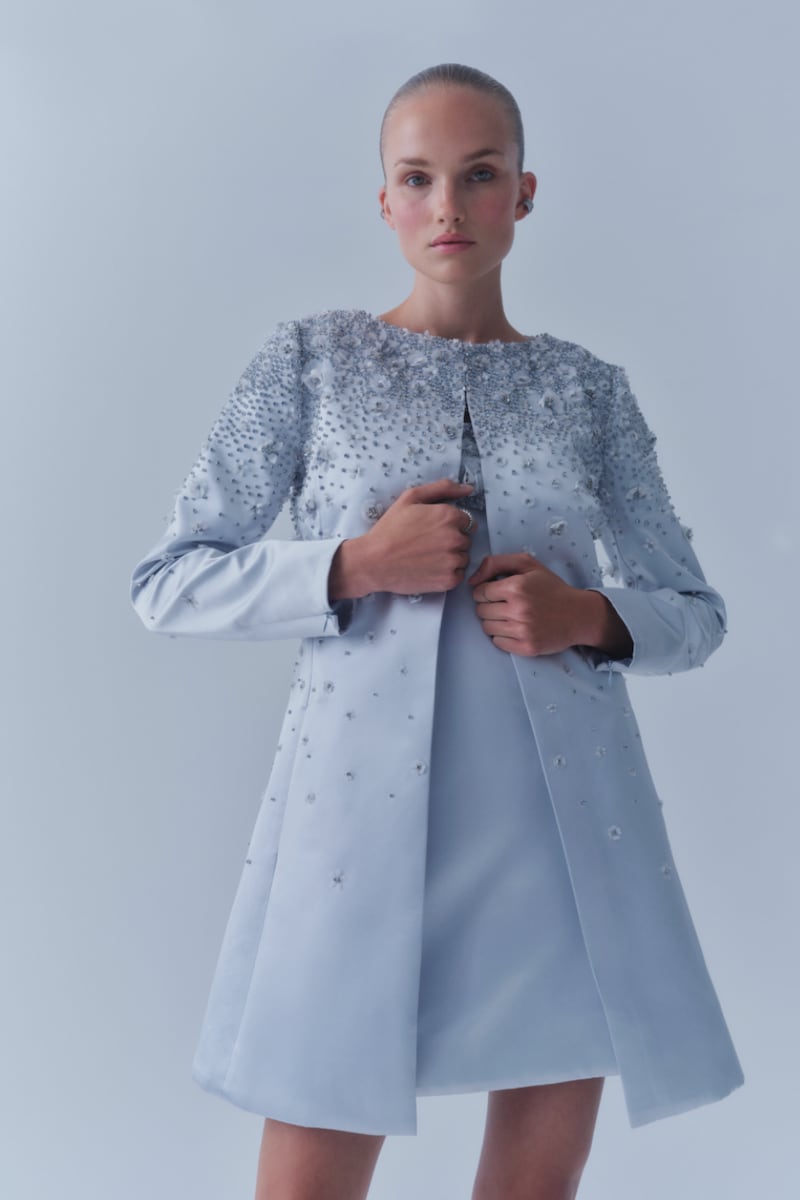
In 2020, Andrew Kwon created a bridal collection in his apartment living room, and gained traction via Instagram and cold DMs to celebrities and editors. Within months, Bergdorf Goodman came knocking. Five years on, the brand operates out of an atelier in New York’s Garment District with pieces ranging from $7,000 to $60,000 — and has since expanded from bridal into eveningwear.
Early wholesale partnerships with Bergdorf Goodman, Neiman Marcus and Moda Operandi helped establish the name, but the brand has since shifted toward DTC and private clients. About 80 percent of new customers find the brand through Instagram — via reposts, editorial coverage and the visibility that comes from dressing figures across film, music, Broadway and ballet.
0 of 4
AI search is newer territory. “With AI, I sometimes search for top bridal designers or top fashion designers, and in the beginning our name wouldn’t pop up.
RaiseFashion has given him one of his first structured opportunities to navigate that shift, including a dedicated session on AI discoverability he describes as genuinely new territory — alongside a broader business education in scalability, production and brand building “It suddenly started popping up recently on things like ChatGPT and Claude. So it’s been interesting to really fully understand how that comes to be about,” says Kwon.
One exercise has stayed with him in particular: developing word banks rather than elevator pitches. “Instead of an elevator pitch, you come up with beautiful lists of things that resonate with you and your brand,” he says. “That word bank is always replaying in my head when I’m speaking about Andrew Kwon.”
I feel like AI has completely changed the game.
— Mckenzie Liautaud
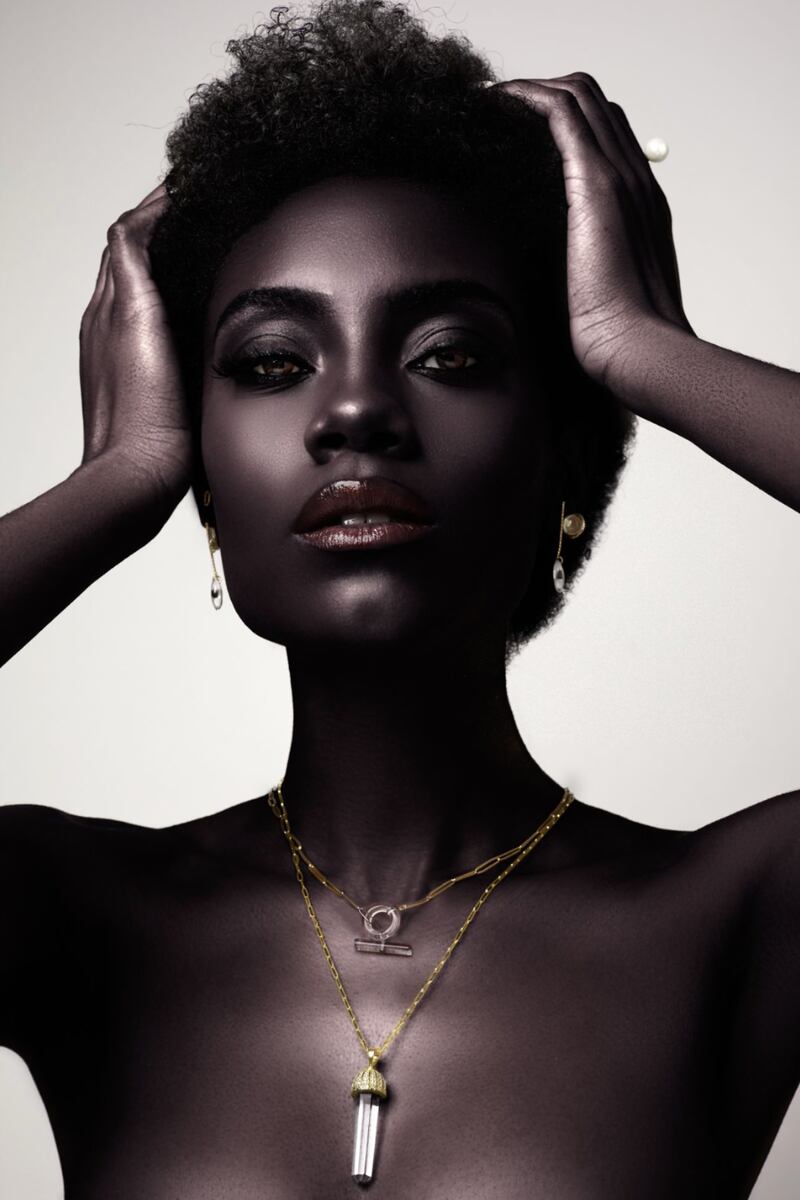
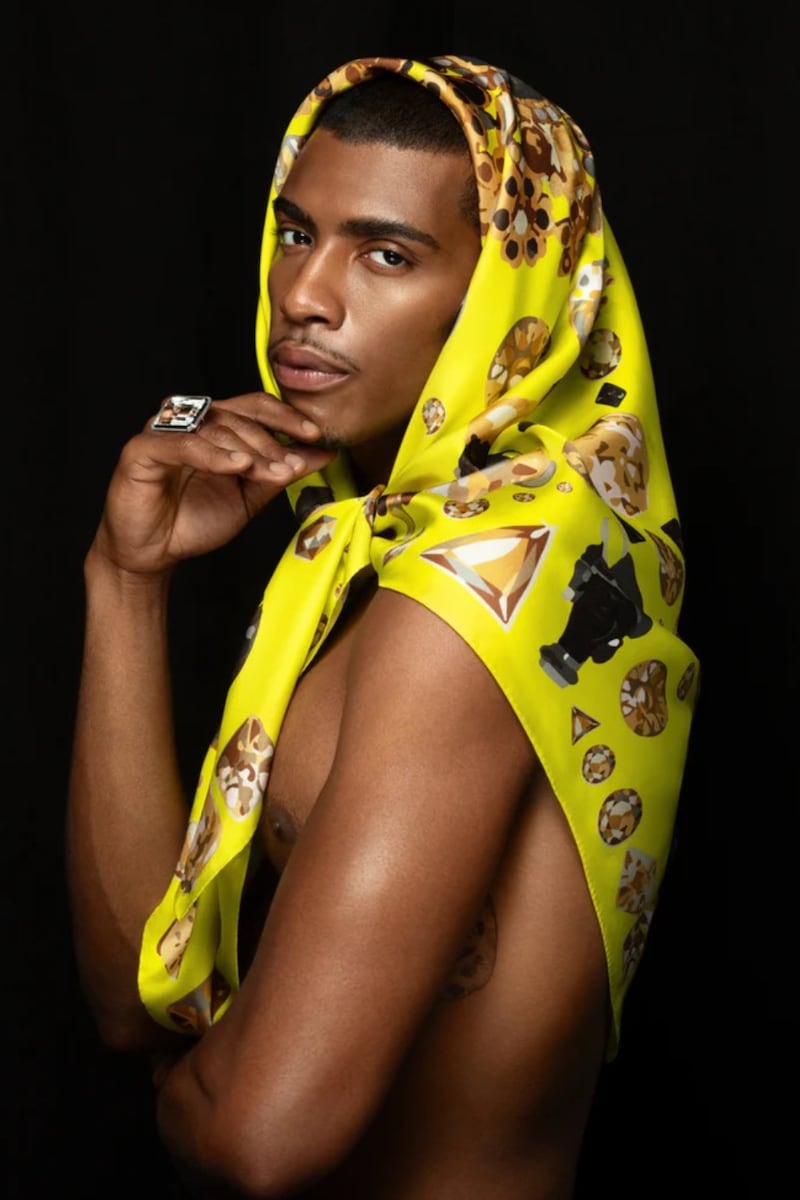
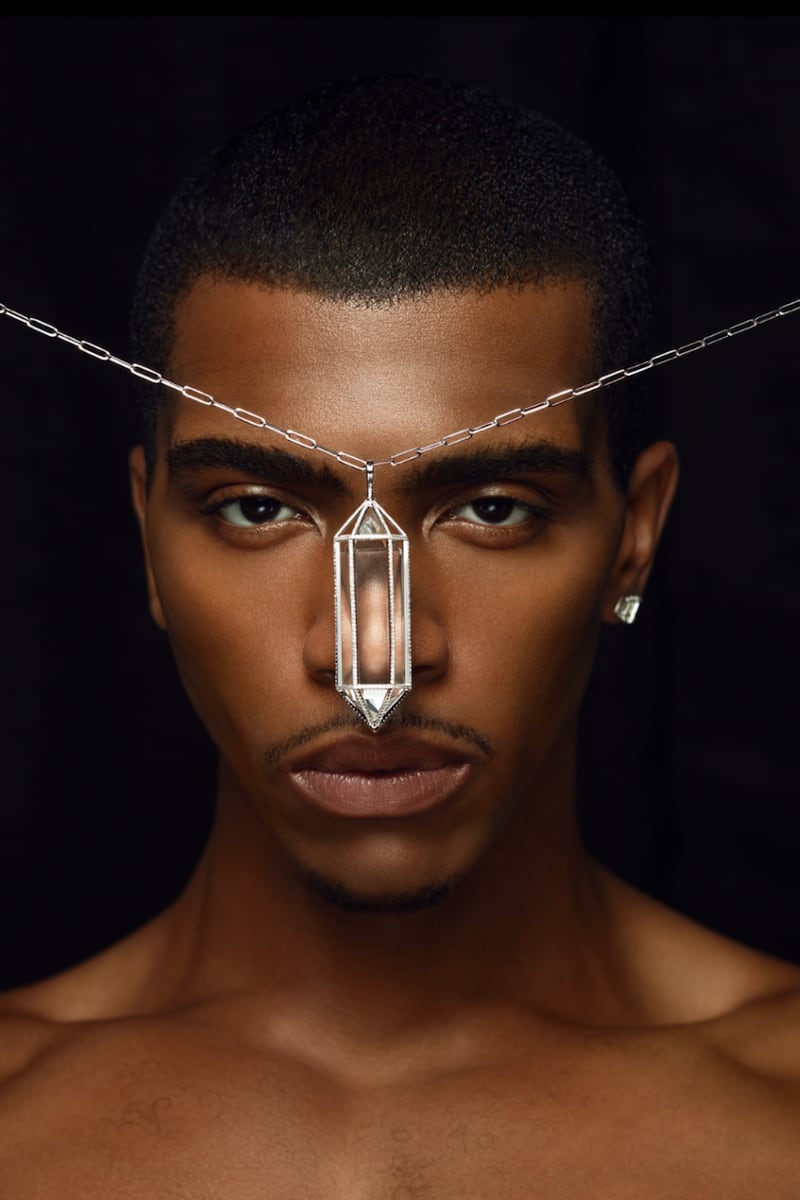
Mckenzie Liautaud describes his customer with precision. “She meditates in the morning, closes deals by noon, invests in jewellery that holds both energy and equity. She is cultured, health-conscious, well-travelled.”
His brand — built around power crystals, fine jewellery and silk scarves at the intersection of wellness, spirituality and high fashion — has attracted exactly that clientele. Sarah Jessica Parker, Rosamund Pike and Maluma have all come to the brand on their own terms. “For a small brand, for a Black-owned brand, that means so much,” he says.
0 of 4
Reaching that customer requires knowing where they already are. Liautaud’s model combines DTC with specialty retail and seasonal trunk shows — including the Hamptons, Martha’s Vineyard, Los Angeles, Miami and Paris. His retail partnership with fine jewellery store Muse in New York’s West Village reflects a philosophy of alignment over reach. “Muse has a knowledgeable staff that understands luxury and the luxury consumer. The jewellery brands they carry are independent and they all have a soul.”
On discoverability, Liautaud has been methodical. “I feel like AI has completely changed the game.” He has applied SEO practices to his online presence, updated FAQs and implemented customer reviews specifically to improve visibility on AI search platforms — an approach that has directly driven sales. Liautaud projects closing the fourth quarter with a 10–15 percent sales increase, driven by the integration of AI into his operations.
A virtual try-on feature for sunglasses, jewellery and silk scarves has helped bridge the gap between digital discovery and the tactile experience fine jewellery ultimately requires.
Loyalty, meanwhile, is built through service: his “Ready, Reset, Go” offering allows clients to repurpose damaged pieces and inherited heirlooms for a redesign or brand credit. “I’m not just selling you a power crystal — many of my clients have wedding rings that need to be resized, reset, upgraded. Where I step in is offering those services, which has led to repeat sales.”
Liautaud applied to the RaiseFashion masterclass three times before being accepted. He says the cohort’s openness is the most valuable part of the experience. “People think brands are so hot, and then suddenly you hear they’ve paused production. Every brand can look glamorous on the surface — celebrities wearing it, big shows — but there’s always more to it,” he says. For him, the program’s sense of community, honest communication, and shared ambition to grow have been just as important as the business insights.
Patricio Campillo describes his eponymous brand as a recontextualisation of Mexican culture, of masculinity, of tradition viewed through a contemporary lens. His customer, he says, defies easy demographic categorisation — they are environmentally conscious, ethically driven and emotionally motivated. And critically, they are drawn to the brand rather than pushed towards it. “I make the brand available. I have Instagram, an e-shop, a physical boutique in Mexico City and a wholesale agent. But it’s mostly people that are drawn to the brand rather than us pushing to sell.”
That philosophy extends to how he manages retail relationships. Campillo does not offer consignment or deferred credit terms — payment comes upfront as a condition of production. It has slowed wholesale growth, he acknowledges. But it has also made the business structurally sound. “We’ve only worked with stores that really want to work with us. I hear all these people that multibrand stores owe them so much money — that terrifies me.”
0 of 4
Loyalty at Campillo is built through emotional consistency rather than marketing volume — handwritten notes accompany every shipment and the brand maintains ongoing communication with clients after purchase. “I think loyalty means that we still have a responsibility with our clients after their purchase. Just creating a channel of communication based on empathy makes it very emotional and sentimental.”
What RaiseFashion has given him is a sounding board for mentors with deep specialisation in the areas where a founder who wears every hat most needs support. “Having the opportunity to get to know someone that is so specialised in something is enriching, helpful and insightful in order to apply things on the spot.”
If you try to appeal to everyone, you’re going to appeal to no one.
— Natasha Das
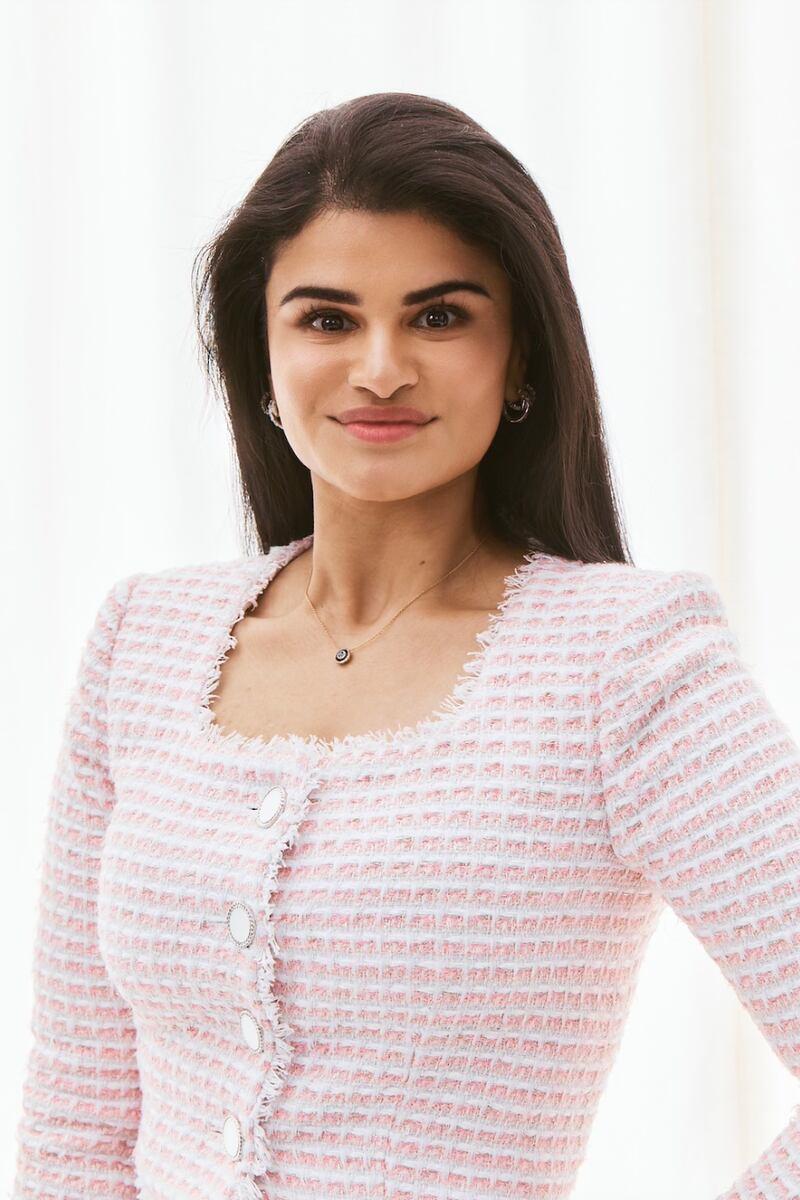
Natasha Das spent five years in fixed income sales and trading on Wall Street before pivoting to fashion during Covid-19. Before making a single garment for her label Danarys New York, she did what her trading floor training had taught her: she gathered data. She hand-selected 300 women from her Instagram following and polled them on price point, silhouette, occasion and fit. “If you try to appeal to everyone, you’re going to appeal to no one.”
That clarity has shaped every distribution decision since. Das hired a full-time salesperson with established retail relationships to identify the right wholesale partners, using trunk shows as a testing mechanism before committing to anything deeper.
0 of 4
A weekend trunk show with Florida-based luxury boutique Marissa Collections generated over $40,000 in sales. Partners are assessed not just on prestige but on whether they understand the brand’s model — all pieces are made to order, customisation is a core offering, and lead times reflect the reality of hand embroidery produced by artisan communities in India. “Having that level of respect for our process has to be part of what we look for,” she says.
Word of mouth remains the most powerful channel. “Once that trust is there, they will speak to their friends about it, they bring them, they refer us. That’s when we know that loyalty and trust has been earned.” Per Das, 95 percent of showroom appointments convert to sales.
For Das, the key learning from RaiseFashion’s masterclass is to keep interrogating your assumptions about who your customer is, how she finds you and whether the decisions you are making about distribution and retail are actually bringing you closer to her or further away.
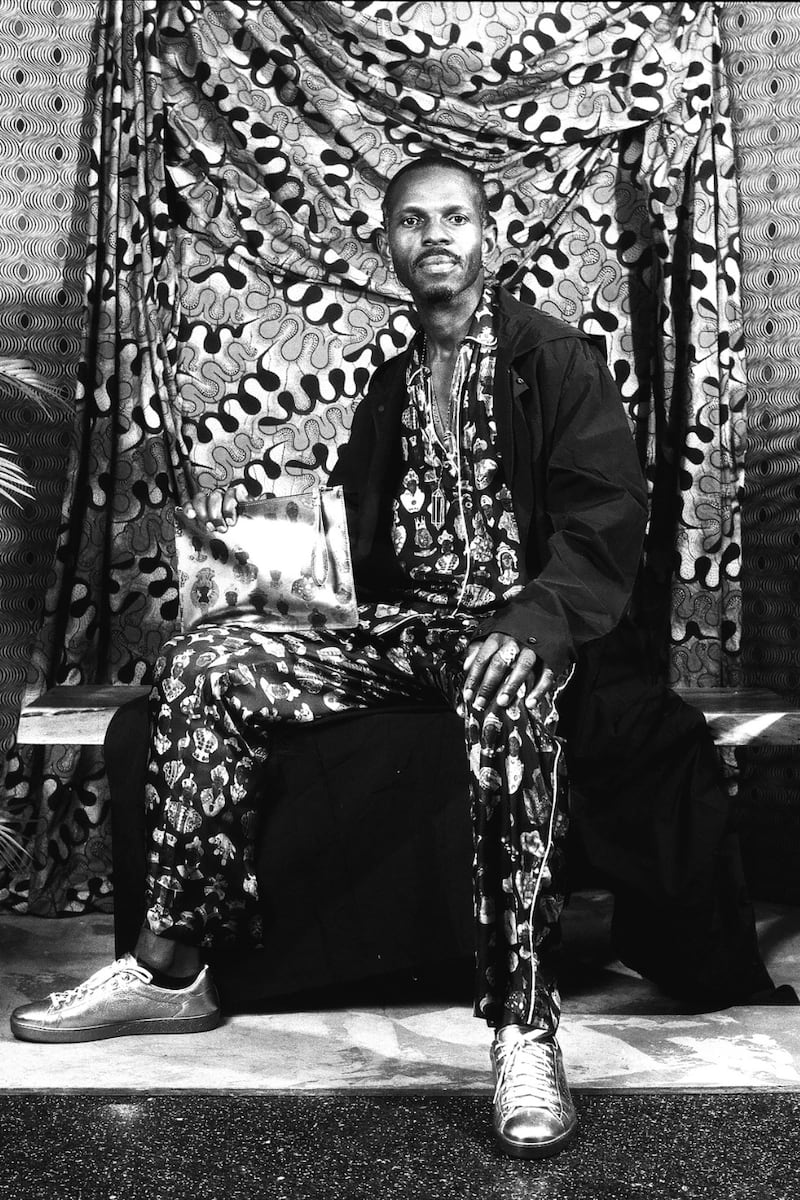
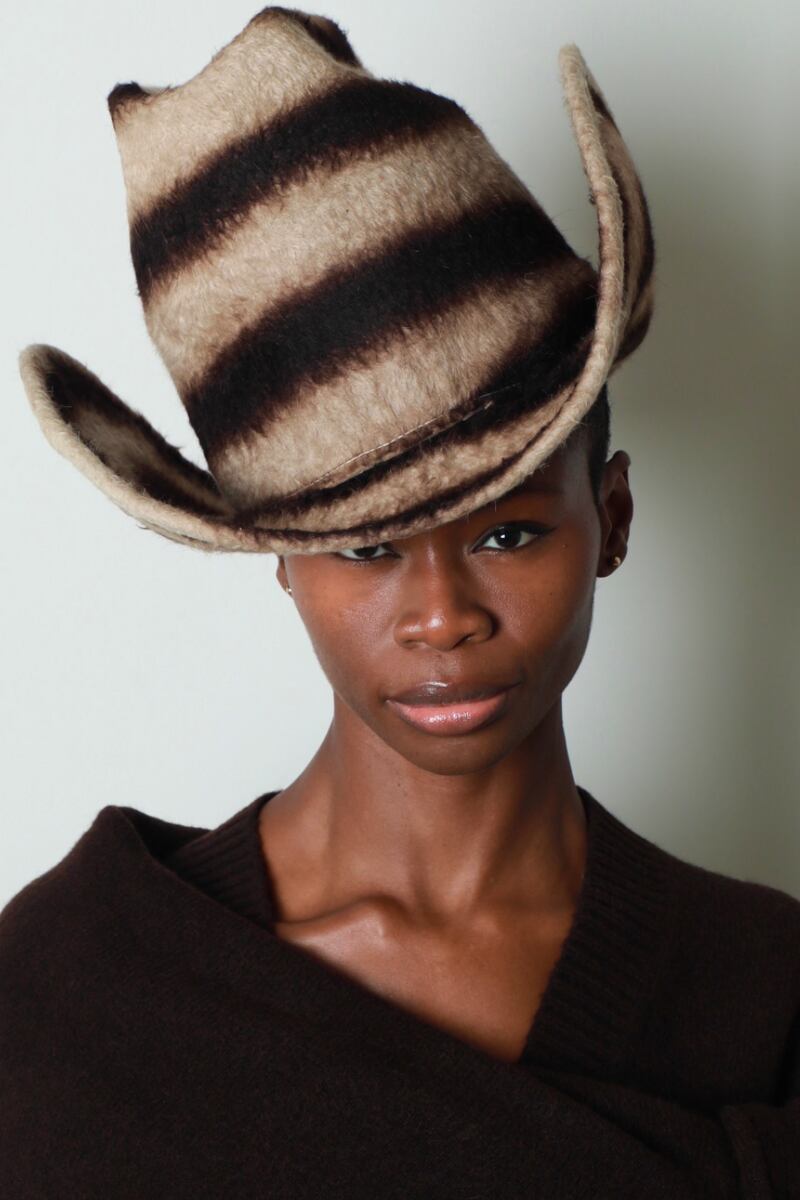
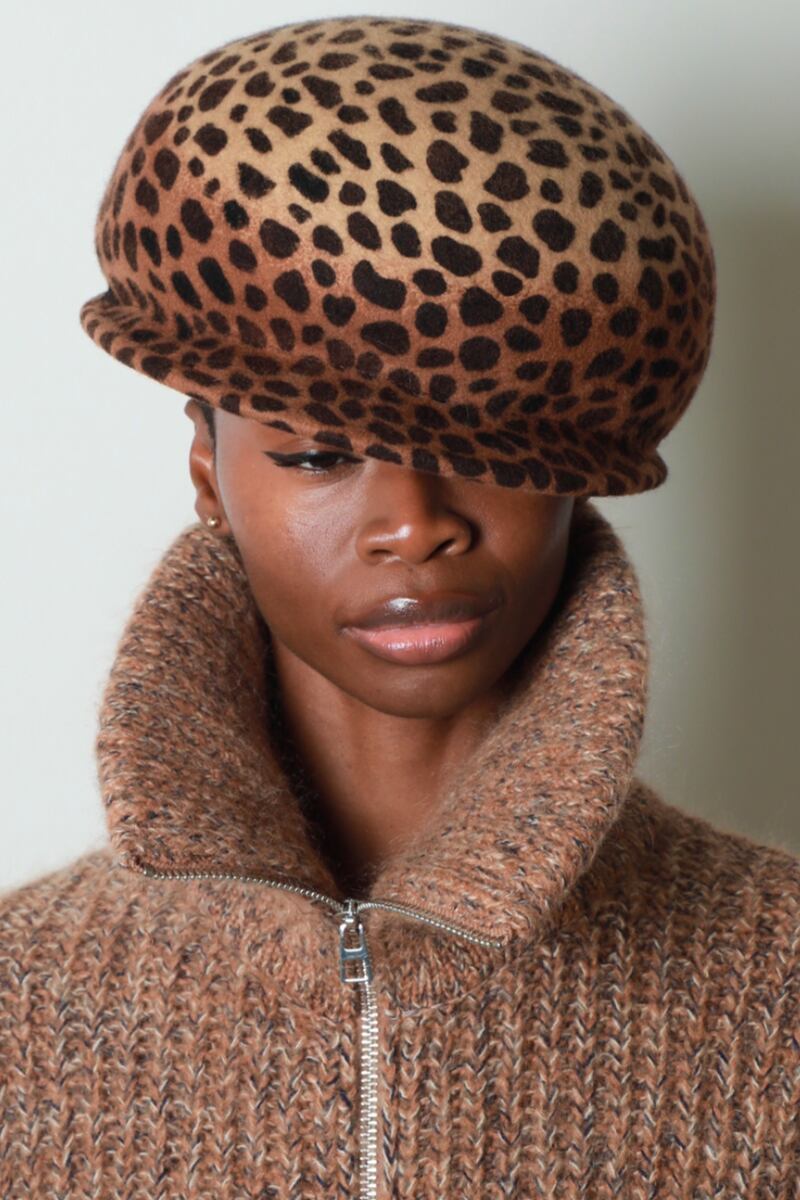
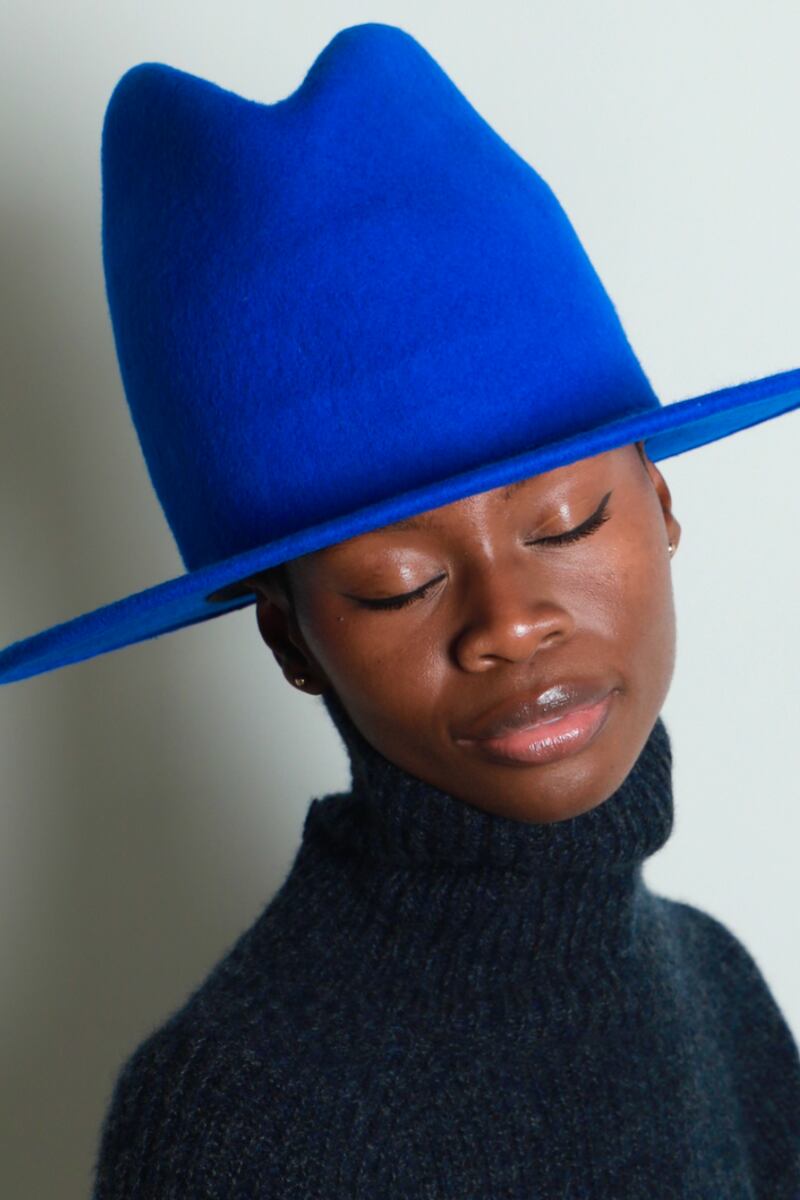
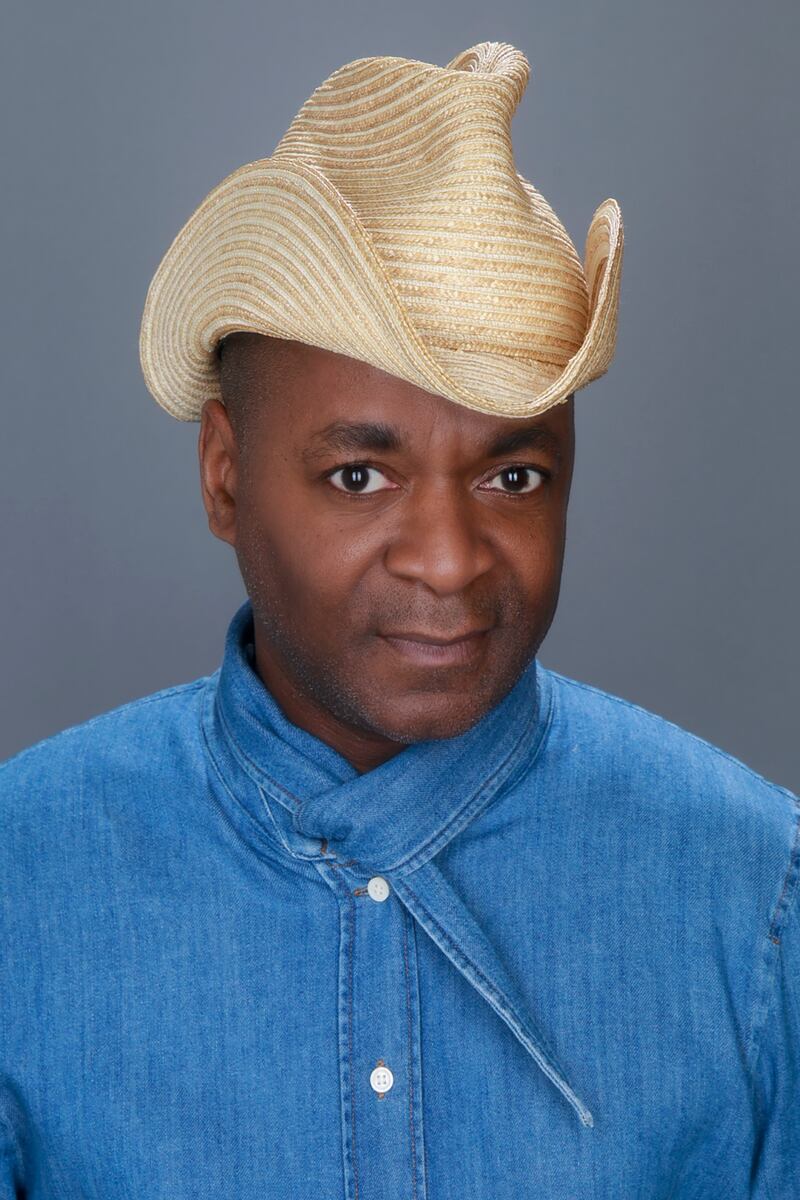
Rodney Patterson set out to build a daily uniform — jeans, t-shirt, great coat, great shoes, and above all, a great hat. When he could not find the hat he had in mind, he commissioned one from a hatter he discovered in Soho. People stopped him on the street to ask where it was from. That was eight years ago and the beginning of his label Esenshel. The brand has since grown from commissioned pieces to a Brooklyn studio where every hat is made in-house, alongside a shop on 4th Street in Manhattan.
That shop, he says, was a deliberate decision. “I wanted to open a store where people could come in, experience the hats, put them on their heads, touch them and feel the quality.” The physical transformation — the change in body language, the moment a person sees themselves differently — is something no digital channel can replicate. “It’s probably the best thing we’ve ever done for the brand as far as investments.”
0 of 4
The customer based Esenshel attracts skews about 70 percent women and 30 percent men, and tends to be more middle-aged; many of whom are not always the most social-media or internet-savvy shoppers.
Expanding into new audiences is where RaiseFashion is assisting him most right now. A masterclass session on AI shifted something. “There’s no other way around it. It’s the future. I just have to get more comfortable with the idea of going to it for almost anything, just to see how I think about something versus what the analytics tell me.” For a brand built on instinct, craft and the irreplaceable experience of trying something on in person, learning to let data into the conversation is the next bet to make.
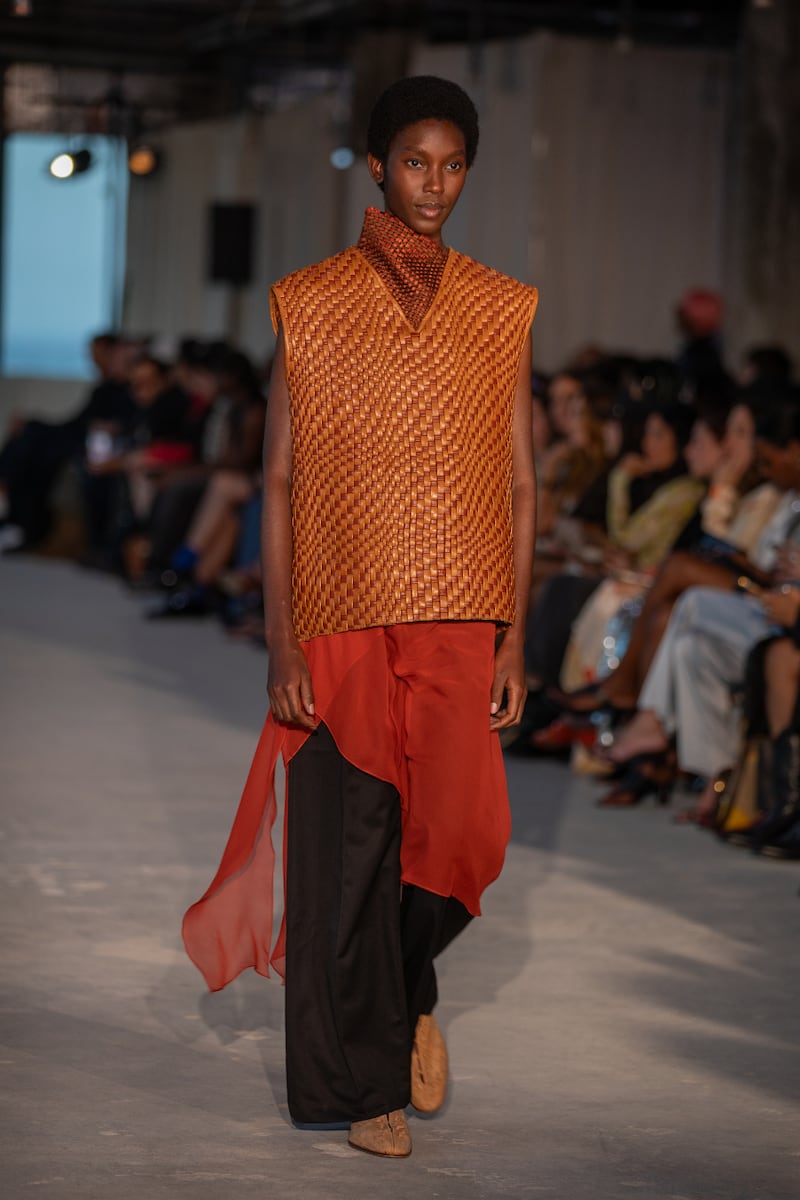
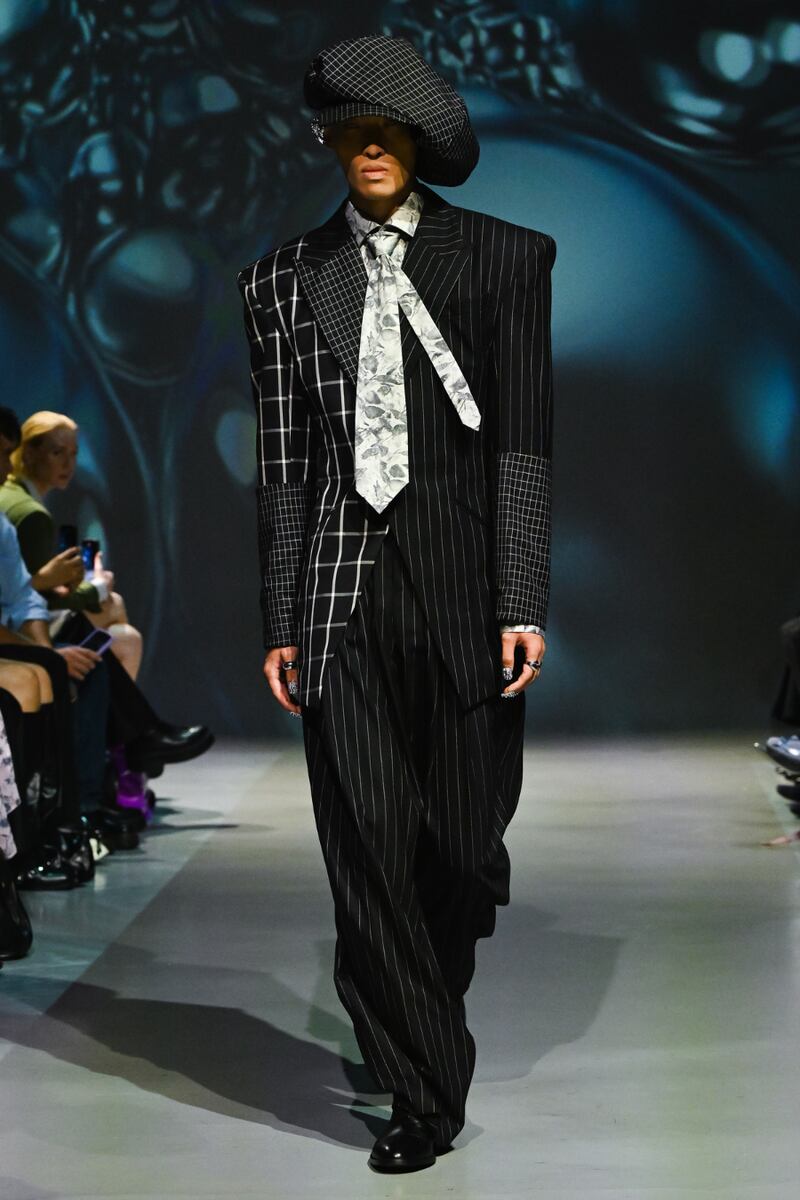
Shao Yang founded her eponymous label on the principles of tailoring and craftsmanship, built for the person whose life sits at the intersection of business, culture and nightlife across New York, Paris, Shanghai and Hong Kong. The brand is currently DTC and expanding into wholesale — a transition Yang is approaching with a clear set of principles. “It’s important that it’s not just transactional — both parties need to talk about the brand, but also how it’s going to fit in that world as well.”
Discoverability has been built on SEO from the beginning. But as the internet shifts, Yang is increasingly focused on something harder to optimise for. “I think as the internet is changing and the way clients are finding brands and shopping is changing, we’re very focused more on how we’re visually telling the stories on all social platforms. Not just Instagram, but across WeChat, Weibo, Douyin, RedNote, TikTok — everything.”
0 of 4
Loyalty, Yang says, follows the same logic — not through a single viral moment but through consistent, trustworthy presence. “Being true to your DNA as a brand and showing up consistently — showing up on time, showing up with the craftsmanship and customer service that you promise to provide. If you consistently hit all those points, you’re going to build loyalty with your clients.”
What the RaiseFashion masterclass reinforced for Yang is that there’s no single path to building a brand. A chance encounter with a fellow cohort member during Shanghai Fashion Week led to a dinner conversation about brand building across different stages. “It’s valuable to hear perspectives from designers just starting out to those a decade in who are still evolving,” she says. In an industry that moves as quickly as fashion, that willingness to keep learning and adapting is essential to sustaining growth.
This feature is part of a community partnership with RaiseFashion.
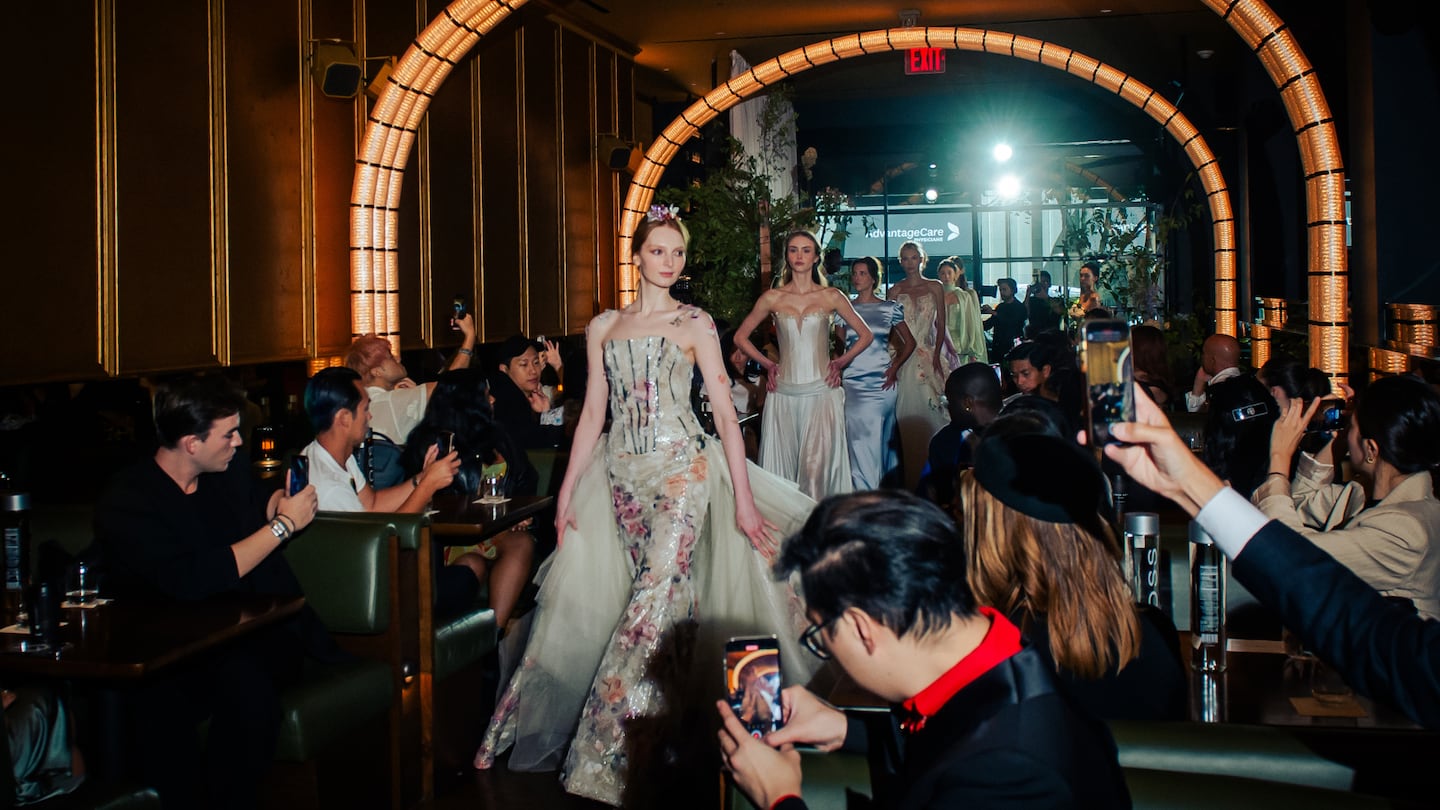
The intimate New York Fashion Week dinner celebrated the organisation’s new masterclass cohort of 18 designers — its largest yet. Alongside the designers, guests included model and activist Bethann Hardison, fashion designer Naeem Khan and Moda Operandi’s April Hennig, as well as fashion executives, retail partners and programme advisors.
BoF speaks with seven designers from RaiseFashion’s 2026 cohort — Angelo Beato and Yamil Arbaje, Bianca Saunders, Brandon Murphy, Diarra Bousso, Dwarmis Concepción, and Reut Ringel — on navigating tariffs, supply chain complexity and the operational decisions that can make or break an independent brand.

Yasmine Dahlberg is Content Strategist at The Business of Fashion (BoF). Based in New York City, she delivers high-impact written, visual, and live content for BoF’s industry partners.
Loading recommended reads…
Sales rose unexpectedly in June as shoppers increased spending on clothing and air conditioning, adding to signs of a pickup spurred by record temperatures and the World Cup.
The renaissance of the Upper East Side shopping district reflects a broader shift in how brands are rethinking their retail strategies, prioritising affluent neighbourhoods where loyal customers live and dine.
The move is the White House’s latest effort to restore Trump’s campaign vision of a near-global tariff after the US Supreme Court in February struck down his ‘reciprocal’ duties.
To become a meaningful fast-fashion challenger, Fast Retailing CEO Tadashi Yanai must expand GU aggressively while preserving the brand’s quality, writes Bloomberg’s Juliana Liu.