Agenda-setting intelligence, analysis and advice for the global fashion community.
Agenda-setting intelligence, analysis and advice for the global fashion community.


Tariffs, shifting manufacturing landscapes and supply chain instability have made the operational realities of building an independent brand significantly more complex in recent years.
Tariffs introduced in 2025 are estimated to drive price increases of 35 percent for apparel and 37 percent for leather goods in the short term, according to The Business of Fashion and McKinsey’s & Co’s The State of Fashion 2026 report. The end of the de minimis exemption — which previously allowed packages under $800 to enter the US without duties — has added another layer of complexity, catching both brands and consumers off guard.
Felita Harris, co-founder and executive director of RaiseFashion, is direct about what this means in practice. “Most designers are not lacking ambition,” she tells BoF. “What they are lacking is visibility into how their business actually works. And by the time many of them figure it out, they are already operating from a compromised position — financially, operationally, or both.” Experience, she argues, is an expensive teacher. For an independent designer with limited runway, a few costly lessons can end everything.
It is against this backdrop that RaiseFashion launched its largest masterclass to date, bringing together 18 designers whose work spans womenswear, menswear, bridal, accessories and beyond, connecting them with mentorship, supply chain expertise, financial literacy programming and a network of industry leaders.
Elizabeth von der Goltz, chief revenue officer at Poshmark and mentor at RaiseFashion, has seen that gap play out in real time. “Established brands have legal teams, financial reserves and established vendor relationships that give them leverage and runway,” she says. “Independent designers, particularly the BIPOC founders we work with at RaiseFashion, are often operating on tight margins with limited capital buffers. When costs shift suddenly, the consequences are immediate and personal.”
What the programme offers, Harris says, is both theory and application — guidance from industry leaders applied directly to each designer’s own business, in real time. “At the early stage of building a brand, clarity is as valuable as capital.”
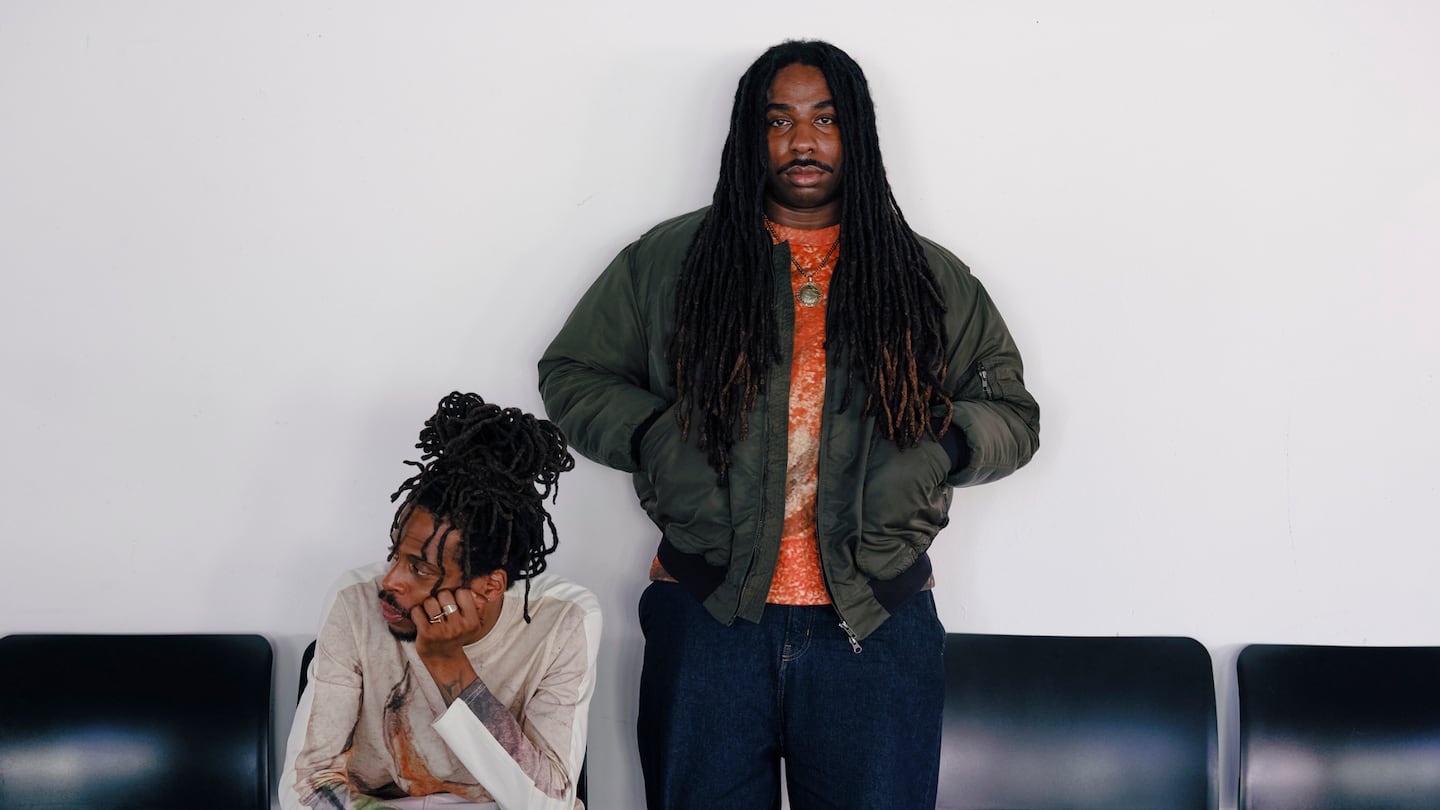
Six designers from this year’s cohort — Brandon Murphy, Dwarmis Concepción, Diarra Bousso, Bianca Saunders, Reut Ringel and Angelo Beato and Yamil Arbaje of Leblancstudios — sat down with BoF’s content strategist Yasmine Dahlberg to discuss what it actually takes to run an independent brand operationally, and why access to the right expertise, at the right moment, can change everything.
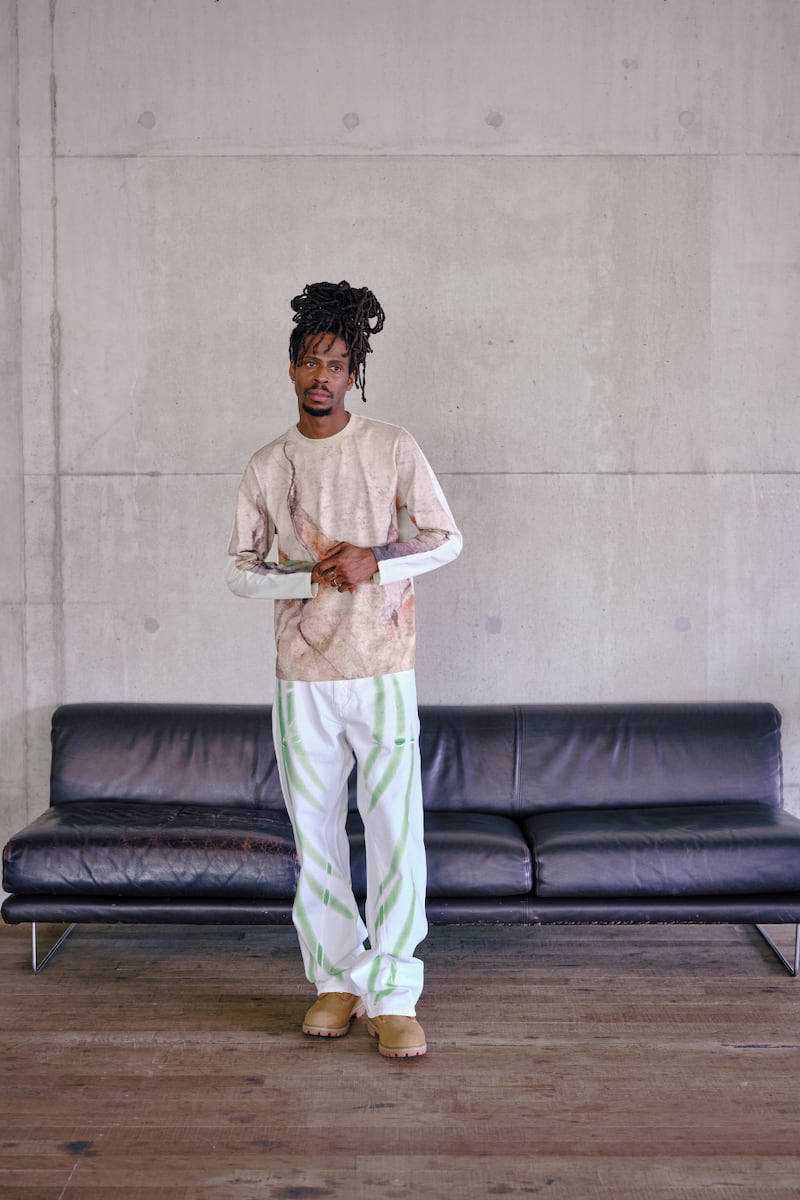
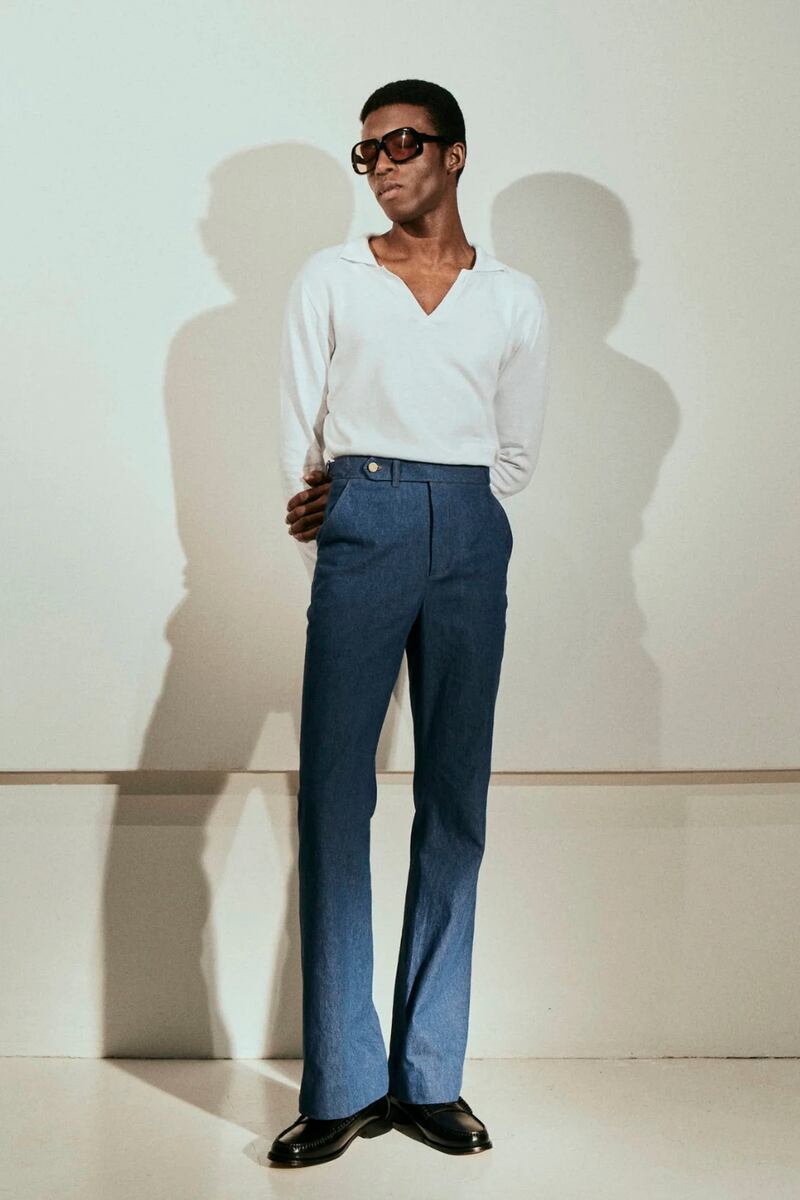
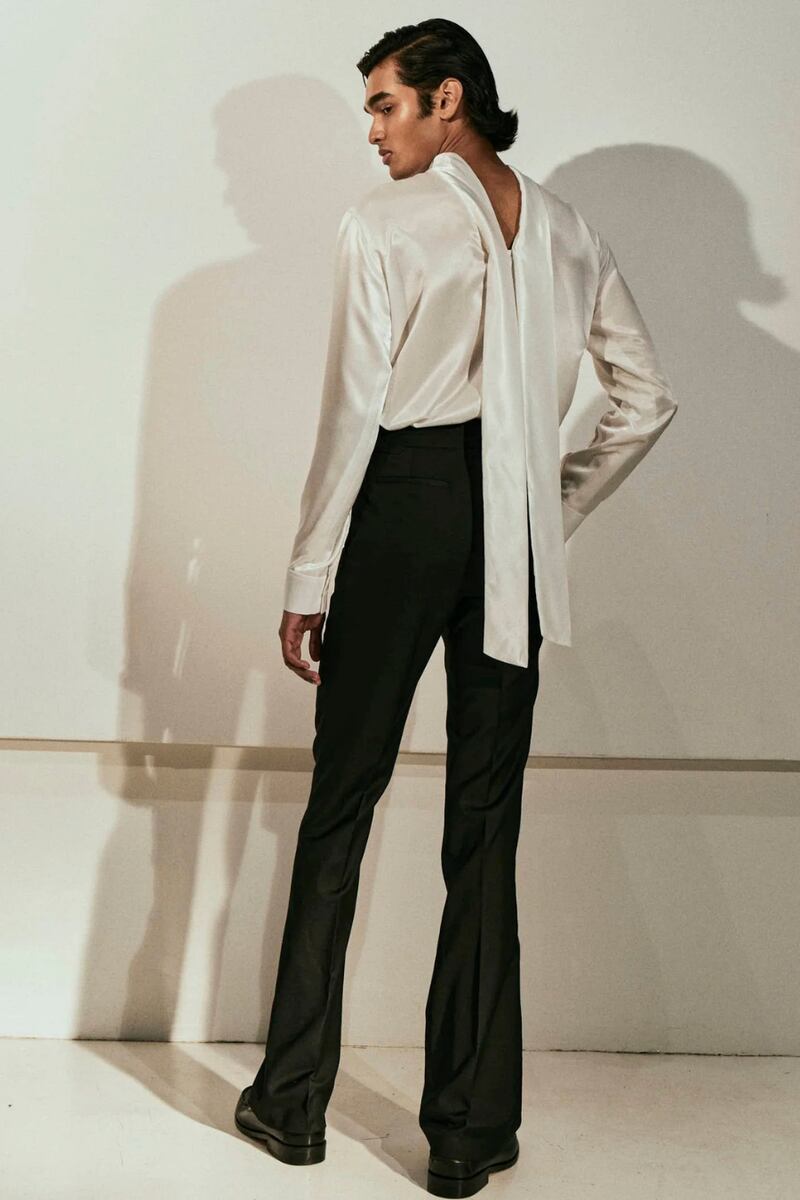
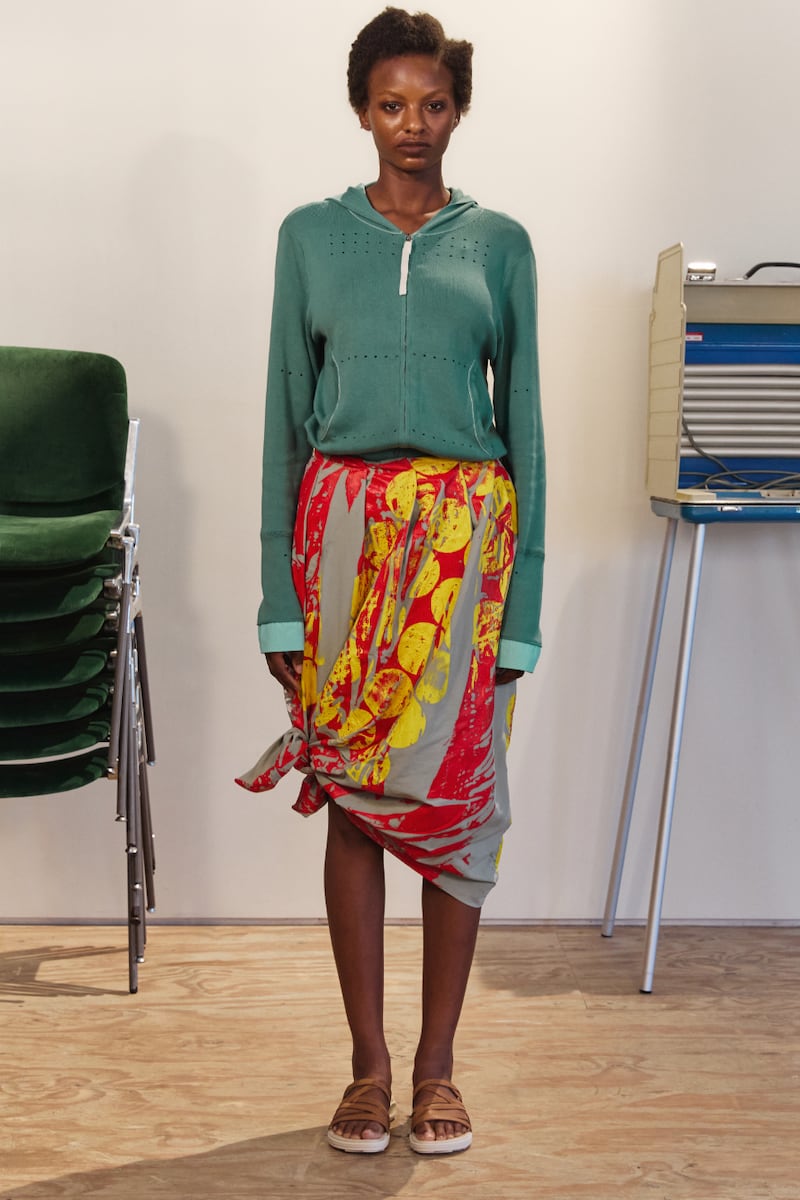
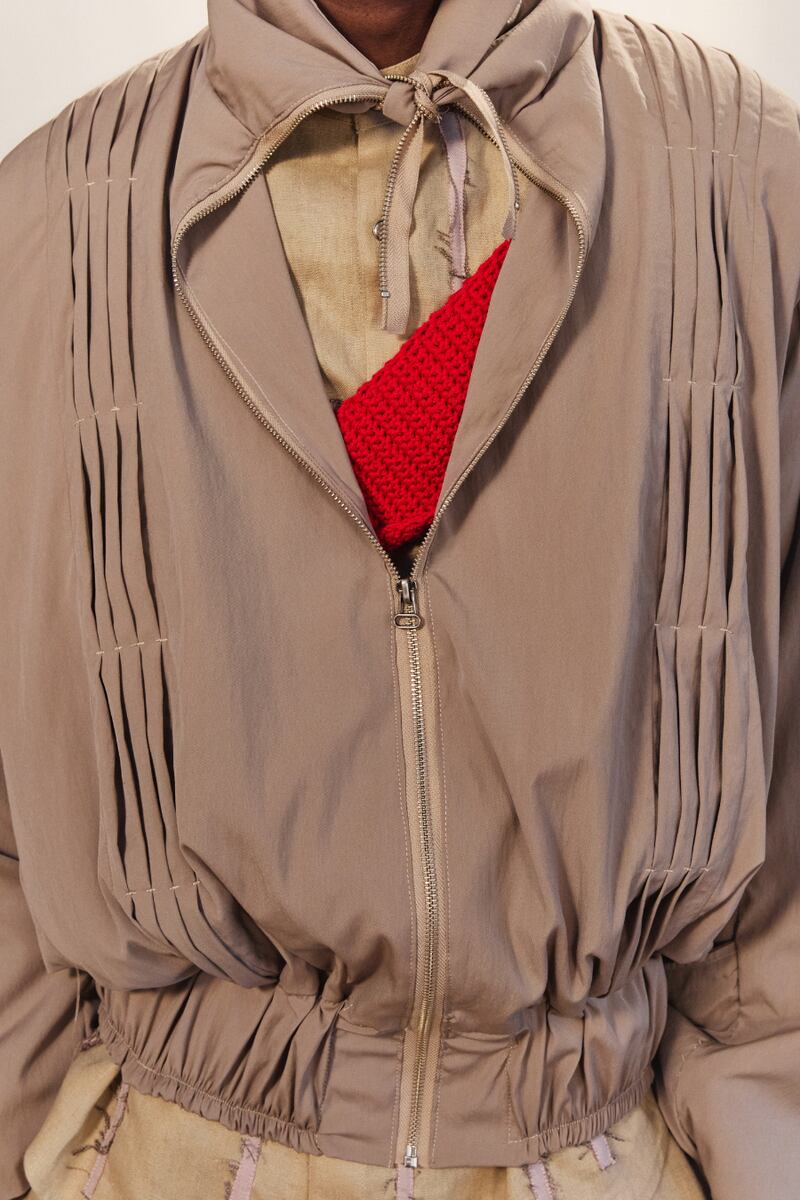
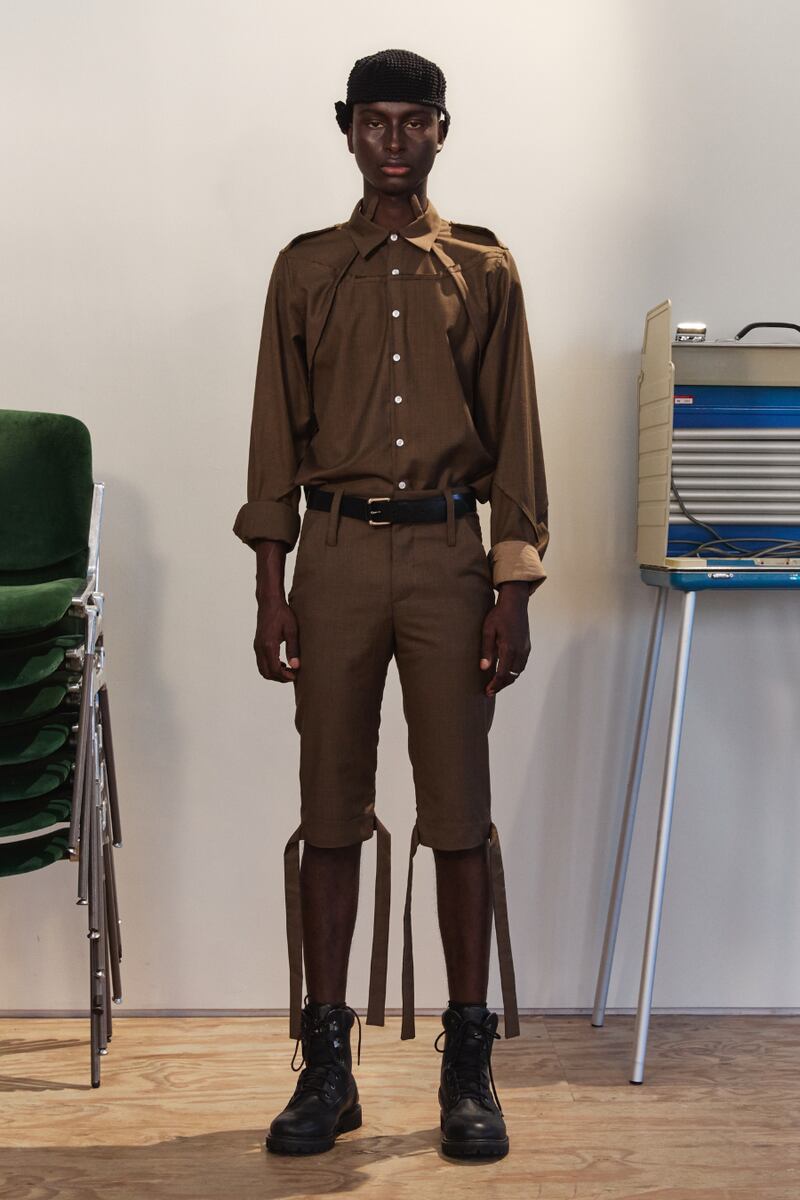
Bianca Saunders has been building her eponymous menswear brand for eight years — producing denim in Turkey, tailoring in the UK or across Europe, knitwear in China and specialist work in Italy. The through line has never been a fixed model but a constant process of matching the right factory to the right product and reassessing when the economics shift.
Tariffs have compressed margins at every node of the chain. “All of those factors just keep adding on and kind of chopping down exactly how much we make.” Planning around any of it, she adds, is difficult. “It’s a turbulent world right now. We don’t know what’s happening next when it comes to politics. So I think that does affect things quite drastically.”
0 of 4
The other shift has been internal. Early in the brand’s life, Saunders was producing close to a hundred pieces a season. Today, making less is a defining principle — driven as much by the customer as by the business. “In the beginning I was very much hyper-focused on the creative, but I think it’s also about making things in a sustainable way.” Repeat customers have increased since the brand began refining certain styles and improving quality consistently. “There’s nothing like the actual customer that comes back again and supports.”
What RaiseFashion has given her is something European mentorship networks rarely offer: an open conversation about money. “People do not discuss money often in Europe. The discussion of money is at the forefront of what it means for business — and that has been really important.” Having a network where questions can be asked and answered immediately — by financial experts, lawyers and peers — is an access she wishes she had had sooner. “I’ve learned so much, and I’ve also been like, ‘how did I not know this sooner?’.”
As a former maths teacher, Diarra Bousso founded Diarrablu on the premise that equations could generate print. “Maths allows me to create a hundred times faster at a fraction of the cost. Instead of painting a flower, I graph a flower using equations.” From the outside, the brand resembles a fashion company, but in practice it operates, as Bousso puts it, more like an experimental lab.
Where most brands design, produce and then sell, Diarrablu designs, sells and only then produces — a demand chain rather than a supply chain. The factory she built with her mother in Senegal, now employing a team of thirty, functions like a restaurant: materials are sourced and held in stock, but nothing is made until it is ordered. A proprietary app tracks live fabric inventory in metres, calculating in real time how many garments can be produced from available material and updating with each purchase.
0 of 4
When a customer orders a dress on the website, it does not yet exist. By the time it arrives, typically within four to five days, it has been made to order. “As a customer, it feels like a regular e-commerce experience. But on our end, it allows us to maintain positive cash flow — we don’t have money tied up in inventory.”
When Nordstrom approached in 2020, Bousso proposed a fully drop-shipped model fulfilled directly from Senegal, on demand. After a year of negotiation, it launched and the business tripled overnight. At peak demand in 2022, the website would sell out by 2pm every day. Then came a production decision that tested the model.
Facing a Nordstrom order she could not fulfil to the required standard, Bousso cancelled it. “It felt like a mistake. I was crying the whole time because I felt like I had let them down, that I was not capable.” Yet delivering a substandard product across five stores would have been worse. What followed was a year spent rebuilding the production model. “This model has to be flexible and hybrid.”
The removal of the de minimis exemption forcing price increases of 10 to 15 percent across the board. “There was a lot of fear — not knowing how to plan. Where will I produce? What will it cost to land goods in the country? That was difficult.”
What she hopes RaiseFashion will offer is validation. “I’m still very small, and proving this method is scalable would be incredible.”
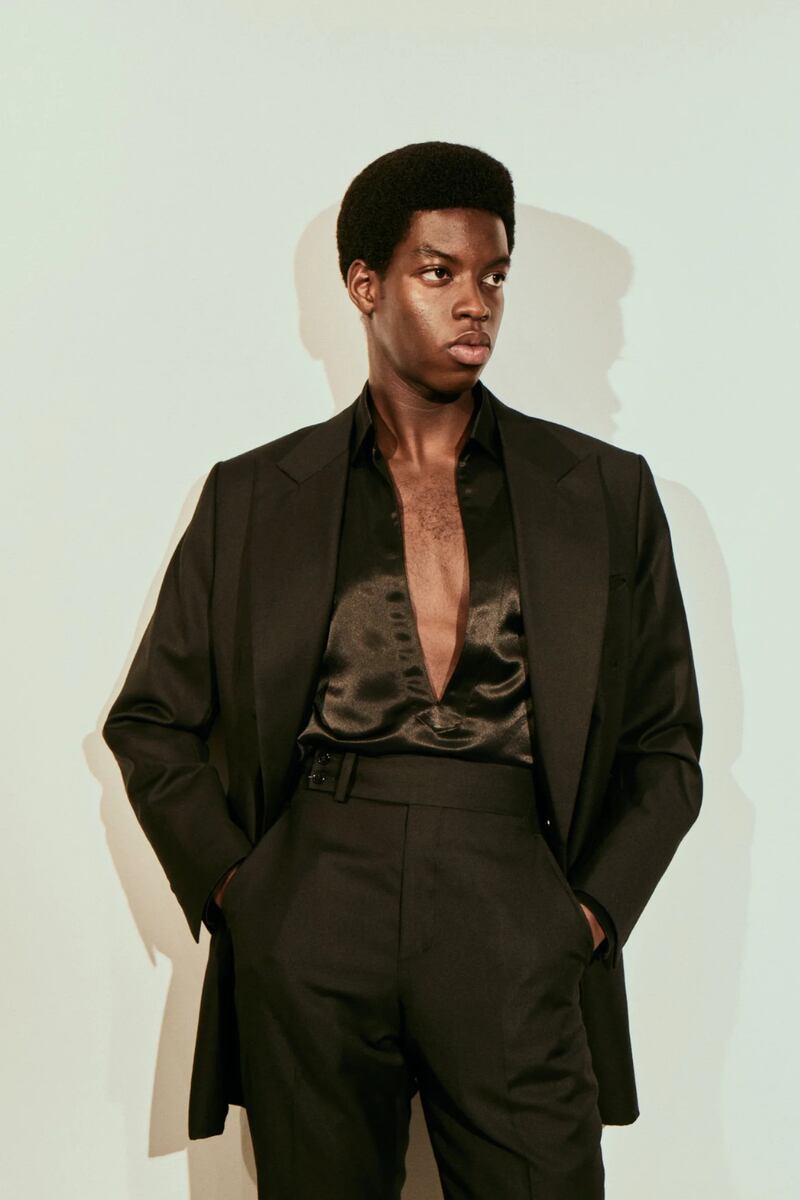
Brandon Murphy, founder of his eponymous menswear tailoring brand, creates bespoke and made-to-measure suits built around the individual. “This is really about the client’s life — how they like to feel in their clothing and how they want to present themselves. I design to that notion.”
That approach took him to Berlin last year to fit Usher ahead of his surprise Met Gala performance — less than 48 hours on the ground before returning to complete the piece on time. Production is split across geographies out of necessity: while core manufacturing is based in Thailand and Portugal, finishing takes place in New York with specialist tailors Murphy has long-standing relationships with.
0 of 4
International sourcing has given him access to specialist mills he could not find domestically, while also exposing the business to a shifting cost environment. “It’s really expensive to produce here in the States, especially as a smaller brand. The price of shipping and materials has gone up. Pricing has had to reflect that.”
Rather than absorbing the increase or passing it on bluntly, Murphy has used rising costs as an opportunity to elevate the craft, incorporating more hand sewing and hand stitching to justify the adjusted price point. Transparency with clients, he says, has been essential throughout. “If you’re transparent with the client about how the business is evolving, how you’re moving forward and able to meet deadlines, everything is usually fine.”
Agility, he adds, has been just as important as any technical skill. “My word of the year last year was pivot, because as a small business you have to be agile and willing to adjust when things don’t go as planned.”
As he expands into ready-to-wear and begins exploring wholesale, Murphy is looking to RaiseFashion for the structural knowledge to match his creative confidence. The goal is to build a stronger financial foundation. “Having the right tools and people to mentor me and guide me could really shape how I grow my business on a larger scale,” he says.
Reut Ringel did not set out to design jewellery. She set out to solve a problem she encountered repeatedly: that fine jewellery, for all its permanence and price, exists in very few colours. “I became obsessed with the idea of introducing a new colourway to women’s jewellery,” she says.
What followed was years of research conducted largely outside the jewellery industry — spanning industrial applications, medical tooling, aerospace and automobile manufacturing. After approximately 200 iterations, she developed the process behind her now patent-pending 18-carat black gold.
0 of 4
Rather than relying on 3D printing, Ringel studied wax design and lost-wax casting — the same technique used by the ancient Greeks to create statues. “There’s no reason for designers to stay within the box. We have the capacity to adapt and integrate methods from so many other sectors.”
The operational reality of building in New York has proved equally demanding. Producing locally means competing for factory time with large luxury clients. “These factories have clients like Tiffany & Co. — as soon as an order comes in, emerging designers are pushed to the back of the production line. That delays our orders and affects our clients, and we’re still in the early stages of building a reputation.”
She has concluded that the solution lies in finding the right production partners. “It’s about working with partners willing to scale and grow with the brand — those who have experience with emerging designers, and are excited by what you’re creating. There needs to be trust: they have to believe in your idea and that volume will come,” she says.
What she has found at RaiseFashion is that these challenges are more universal than product differences might suggest. While going through the programme, she noticed others asking the same questions and facing the same struggles. “You don’t feel as alone in your experience as a founder.”
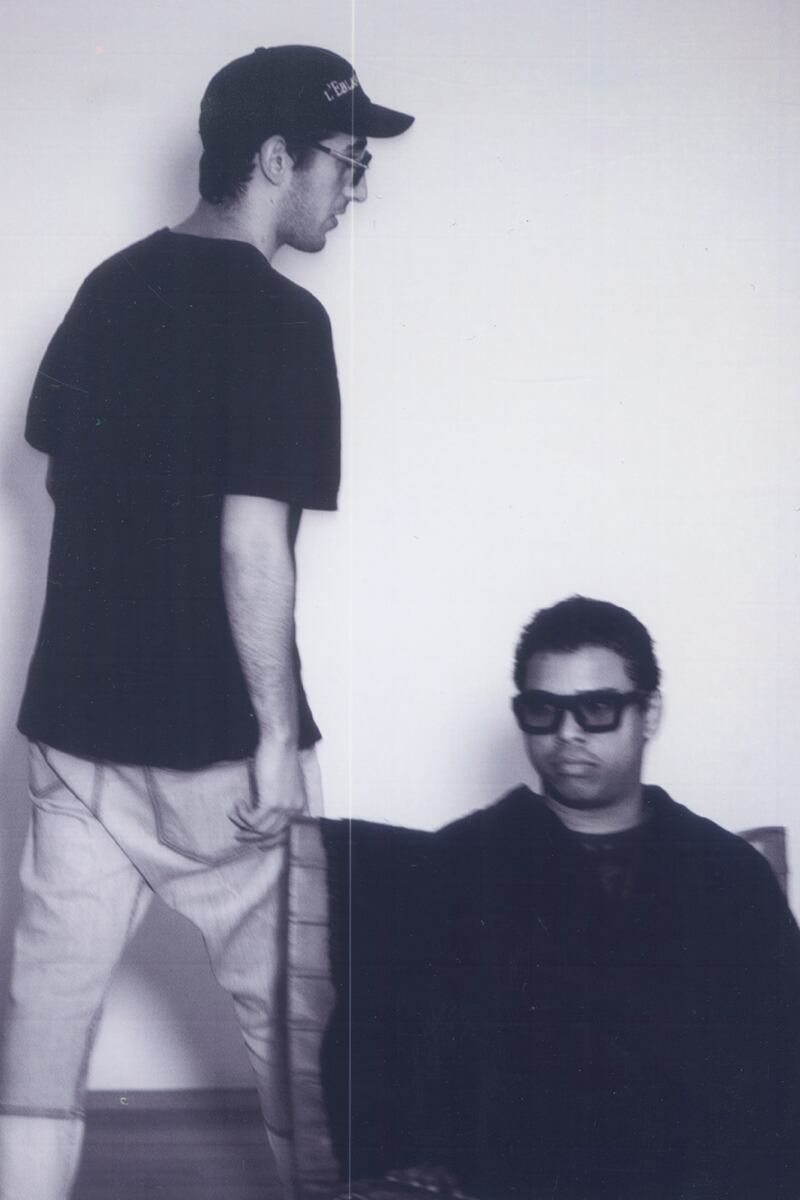
Angelo Beato and Yamil Arbaje met in the Dominican Republic and discovered they shared a clear ambition: to become one of the first Dominican brands on the CFDA New York Fashion Week calendar. They started their label Leblancstudios simply — designing trousers made with a local tailor and sold to friends. “We have always had the same goal of building a full brand with a different narrative,” Beato says.
Production today reflects both their geographic roots and the complexity of operating across countries — Beato lives in the Dominican Republic while Arbaje is in New York. Technically complex pieces are produced in the Dominican Republic, where they have direct relationships with tailors and minimums are not a barrier. Patterns are then digitised and sent to factories in Portugal, China or Peru, depending on the garment.
0 of 4
Tariffs have placed tangible pressure on this supply chain. Every sample shipment arriving in New York now incurs a duty that did not exist before. “Even if it’s one small package, I need to pay $20 multiple times — it adds up,” Arbaje says. Some pieces have been cancelled mid-development because margins no longer held once duties were applied. “There’s no exact way to calculate the customs fees in the Dominican Republic, so you have to build a significant buffer into your quotes if you want to cover future costs,” Beato says.
Paradoxically, the tariff environment has also highlighted a genuine advantage of being small. While a large brand shifting production must manage hundreds of SKUs, Leblancstudios can make decisions between two people in an afternoon. “There’s no bureaucracy, it’s just Angelo and me doing this,” Arbaje says.
That agility has been matched by greater discipline. “In the past, we were going blindly into production — producing 100 pieces, 50 pieces, without knowing if these products actually worked." Now the approach is more deliberate: test samples, analyse sell-through and then decide. Beato is direct about why caution still matters. “Customers want scarcity and limited pieces. That’s the reality of fashion.”
Both joined RaiseFashion after hearing about it from designers in earlier cohorts. For Beato, the value is in the immediacy of the feedback. “You are getting so much information that you can apply right away.” For Arbaje, the benefit is just as clear. “The best part is that you don’t feel alone in this process.”
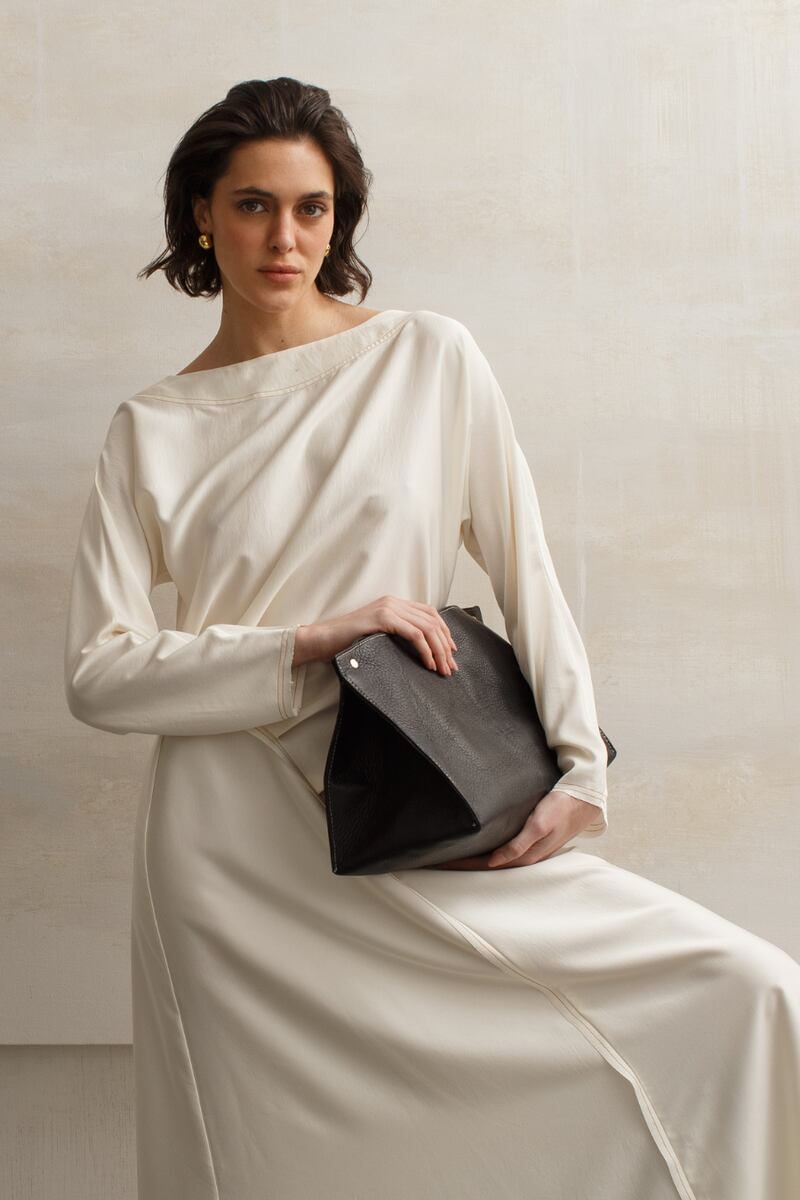
Dwarmis Concepción’s eponymous label Dwarmis creates clothing for the everyday woman — the CEO, the mother, the individual who needs to move through the full demands of a day without needing to change her outfit.
Everything is produced in New York City, within the Garment District factories where Concepción first learned her craft as an immigrant. “There are a lot of Latinos and immigrants working in this industry. It’s a way of building community through my production process.”
0 of 4
That commitment has become increasingly difficult to sustain. Concepción is now weighing whether to keep all production in New York, outsource certain pieces to the Dominican Republic — where she has both roots and a strong customer base — or develop a hybrid model that preserves margins without compromising the brand’s community-first ethos.
For years, Concepción’s instinct was to stay close to the craft, leaving the business side to others. “Designers want to keep designing.” RaiseFashion has provided a framework for engaging with wholesale strategy, sales, financial planning and supply chain decisions she had previously navigated alone. “At RaiseFashion, you have people available to you at any moment for any question. It gives you more confidence to take the next step,” she says.
This feature is part of a community partnership with RaiseFashion.
The intimate New York Fashion Week dinner celebrated the organisation’s new masterclass cohort of 18 designers — its largest yet. Alongside the designers, guests included model and activist Bethann Hardison, fashion designer Naeem Khan and Moda Operandi’s April Hennig, as well as fashion executives, retail partners and programme advisors.

Yasmine Dahlberg is Content Strategist at The Business of Fashion (BoF). Based in New York City, she delivers high-impact written, visual, and live content for BoF’s industry partners.
Loading recommended reads…
Sales of gems, precious metals and artwork at Japan’s department stores climbed 19 percent in the first half of 2026 from a year earlier to $2 billion.
Though Adidas dressed both teams in the World Cup finals, the global football tournament still presented some bright spots for Nike, writes Bloomberg’s Andrea Felsted.
From our archive, the creator and host of award-winning podcast “Articles of Interest” joins BoF founder, CEO and editor-in-chief Imran Amed to explore what clothing can reveal about identity, culture, labour and the world around us.
Saunders, the brand’s first creative director in five years and a skilled colourist, promises to give Kate Spade the clarity it has long lacked. Now, Tapestry must apply the same long-term brand-building discipline that fueled Coach’s success.