Agenda-setting intelligence, analysis and advice for the global fashion community.
Agenda-setting intelligence, analysis and advice for the global fashion community.

Five years after #RushTok first went viral, brands are no longer content to just sit back and hope for their own viral moment — they’ve taken to orchestrating them themselves.
When “rush” — the competitive process of sorority recruitment at American universities — first went viral in 2021, it gave TikTok users from around the globe a peek into a world that’s been memorialised in pop culture, from “Legally Blonde” to “Scream Queens,” but whose behind-the-scenes rituals have long been cloaked in secrecy.
Five years later, #RushTok is less a viral curiosity and more of a full-blown cultural phenomenon, with videos with the hashtag drawing a collective billion-plus views on TikTok in that time period. It’s practically a requirement for chapters to create dance videos during “work week” (sorority speak for the week of pre-recruitment prep that chapters undertake), and breakout stars like Blythe Beardsley and Kylan Darnell have gone on to collect hundreds of thousands of followers, as well as brand deals with the likes of Urban Outfitters and Revolve.
“Everything else happening on the internet, some of it is quite performative, some of it’s AI. It doesn’t actually feel human,” said Cassandra Napoli, head of consumer forecasting for WGSN. “Rush is a very human experience. There’s an element people really can connect with.”
ADVERTISEMENT
Brands have gone from capitalising on mentions in real time to planning large-scale activations. This year in particular, the marketing activity around sorority recruitment seems to have hit a new peak. Several fashion and beauty brands, including Nike, Draper James, Kitsch, Cerave and in particular, the latest generation of fast-fashion labels, like Windsor, Edikted and Fashion Nova, are making a major marketing push around rush.
What that looks like in practice varies. Some are sponsoring work-week videos, others are hosting pop-up events on campus “Greek rows,” while some are simply curating a roster of individual sorority members to outfit throughout the process. The hope is to tap the power of a growing cohort of micro-creators whose social capital, once restricted to the confines of their respective campuses, now extends far beyond their borders. Brands are now mentioned in almost 20 percent of the conversation around rush online, according to a report published this week by PR agency MMC.
“From the way each chapter decides to showcase their colours, to new rushing members choosing how to represent themselves for the first time, fashion plays a huge role,” said Tyler MacDonald, the brand director at Gen-Z favourite retailer Edikted, in an email. “This creates a really organic lane for brands like Edikted to become a part of the conversation.”
Those moments aren’t as organic as they used to be, however. In 2021, brands like Golden Goose, LoveShackFancy and Kendra Scott all saw a rush — no pun intended — of interest in their products after being mentioned by PNMs — or potential new members — spontaneously documenting their recruitment outfits on TikTok. Today’s mentions are often more manufactured.
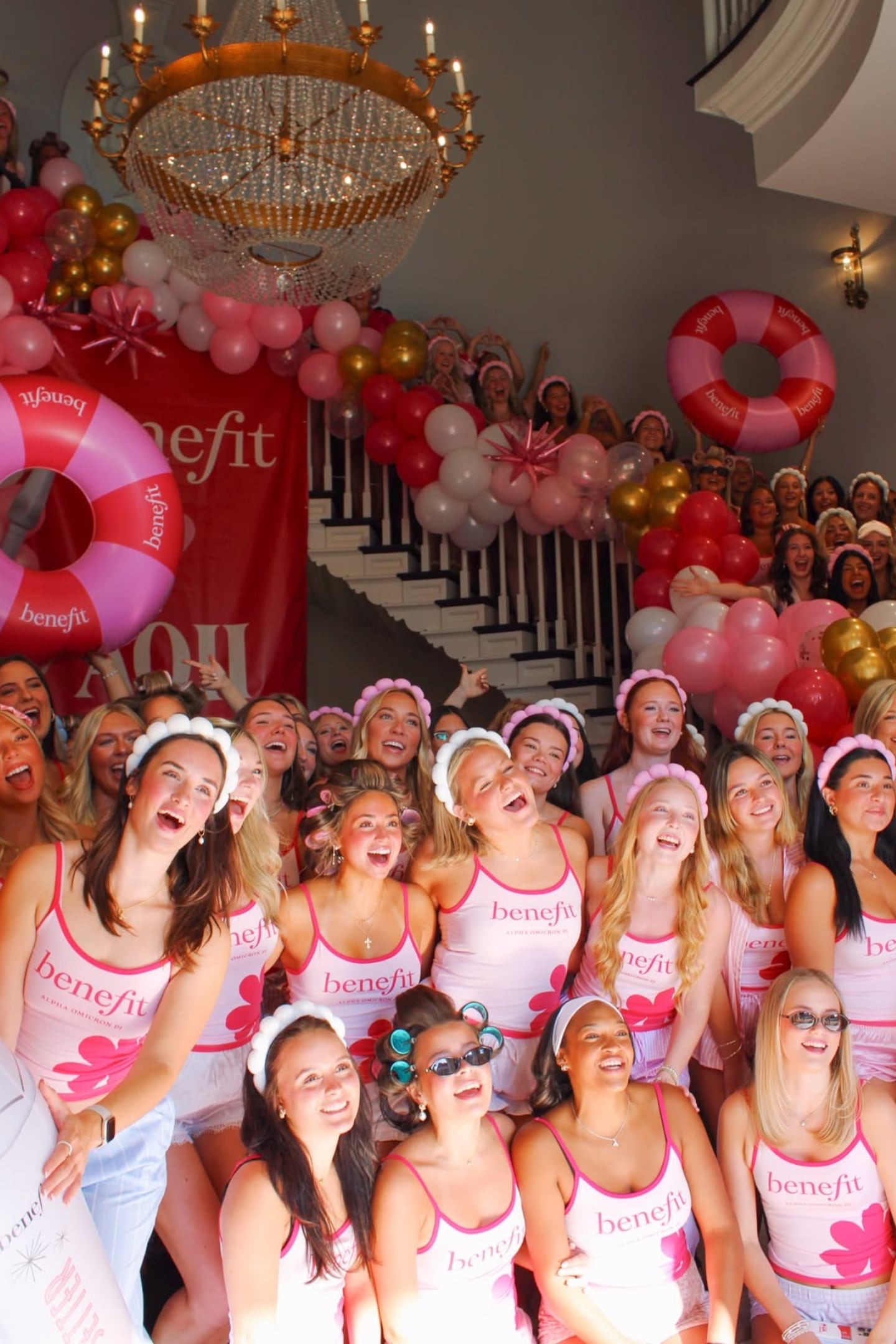
Earlier this month, Nike staged a rush pop-up at the University of Alabama, where it parked a number of custom trailers outside sorority houses to give away free custom fleeces and sneakers, while Benefit sponsored work-week videos at two chapters, complete with branded tank tops and a banner bearing the Benefit logo hanging on the house’s front. Plus, there’s more of them than ever, making the competition for consumer eyeballs more intense.
This comes as students themselves are investing more into rush, hiring coaches that can cost as much as $6,500, according to MMC’s research. PNMs see sororities as more than just a place to make friends, but as a backdrop for building professional connections as well as their own personal brands, according to Christy Kelly, executive director, strategy and innovation at MMC.
That’s made an already emotional experience even more significant for the students going through it, but also ups the potential for brands tapping the tradition — particularly those that use rush as a springboard for building a more long-term relationship. Reese Witherspoon-founded apparel line Draper James, for instance, hosted a pop-up for Auburn University students earlier this month, selling dresses fit for each day of recruitment’s respective dress codes, staffed with alumni who could offer advice.
The hope was that in making a pivotal moment in their lives easier, they’ll forge a much deeper connection, said Piper Parsley, the brand’s vice president of marketing and e-commerce.
ADVERTISEMENT
“They need a dress for an occasion, so why not be that first dress that they need for this occasion and start to build that lifetime value in college?” she said.
Experts say brands looking to tap the power of #RushTok should find ways to seamlessly integrate into existing recruitment stories, and ideally, lay a foundation for a relationship that lasts long after bid day (when PNMs receive the formal invitation to join a chapter at the end of recruitment).
Gifting is one of the simplest and most popular tactics, with brands seeding product to sorority girls and letting them take it from there. Fashion Nova, for instance, is gifting garments to 700 micro-creators-slash-sorority girls at seven campuses across the US, from the University of Arizona to Pennsylvania State University, this autumn, relationships it will continue throughout the school year. The benefit there, according to Kelly, is that this gives the recipient “a choice in how they incorporate it into their own rush ritual.”
For its sponsored work-week videos, Selina Phillips, Benefit’s vice president for global marketing, said that their involvement was limited to choosing the chapter and providing the merch — not deciding what the video itself would look like.
“We’re not there to choreograph it for them. They have full freedom because that’s the power of this,” said Phillips.
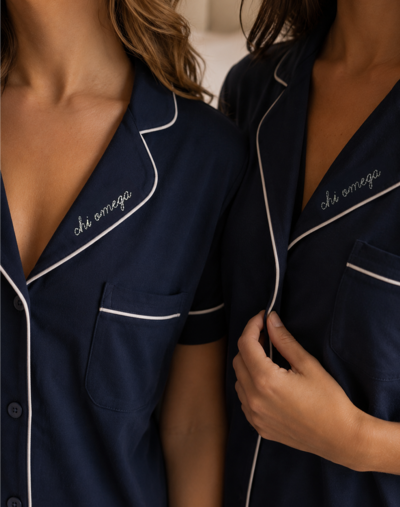
More brands are looking to create connections with sorority members that last beyond rush, particularly as they embark on their college experiences — and simultaneously build their content-creation careers. Sleepwear label Petite Plume, for example, inked licences with 12 different sororities to create custom pyjamas featuring their Greek letters, but also runs a college ambassador programme that offers career counselling and visits to the Petite Plume headquarters.
In selecting their ambassadors, founder and chief executive Emily Hikade said it wasn’t about “Hey, how many pyjamas can you sell?” but rather “As women who have been successful in our careers, how can we turn around and help you and pull you forward?”
The most savvy brands will view #RushTok as less of an opportunity to capitalise on a sure-to-go-viral moment and more as a place to forge lasting relationships with the next generation of content creators. That means being present throughout recruitment, from work week to bid day, and continuing the relationship after the fact.
ADVERTISEMENT
“The stakes are higher now than beyond social belonging; these young women are thinking about future professional gains [during rush],” said Kelly. “Brands recognise what these women are trying to build. … The ones that are the most visible are those that add value at each step.”
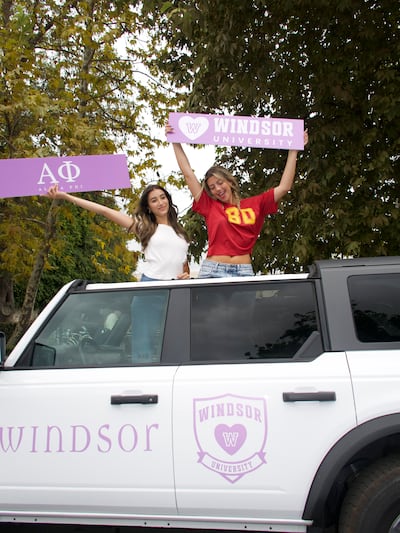
Many are already doing so. Edikted plans to partner with various sorority chapters throughout the school year for content shoots, as well as partner with individual influencers. The retailer Windsor is sponsoring 10 different chapters’ videos during rush, but also taps its brand ambassador roster of 3,000 sorority members to create content throughout the school year, like game day or graduation, or even sending a group to a concert.
Joanna Choo, Windsor’s vice president of brand marketing, said offering year-round engagement is even more paramount as sororities have more options when it comes to what brands they’re working with.
“They don’t answer the call for any brand,” said Choo, adding that they often end up tapping creators they already worked with during their high-school years. “They’re very discerning about which brands that they want to bring into their space to create a really genuine partnership.”
The Society Management group is teaming up with collegiate sports agency Canopy Talent to bring new brand deals to the brightest names in college sports across the US.
Hefty tuition prices, unclear career pathways and new routes into the industry are reshaping how young people invest in education.
Brands are creating on-campus experiences, from concerts to tailgate events, to drive sales and loyalty — and take advantage of college influencers’ growing power among Gen Z.

Diana Pearl is US Editor at The Business of Fashion. She is based in New York and drives BoF’s marketing and media coverage.
Loading recommended reads…
The programme, now in its fifth year, reflect the US beauty giant’s commitment to the Indian market.
Casio watches gifted by Thailand’s Prime Minister Anutin Charnvirakul to cabinet ministers, senior bureaucrats and political allies have become a badge of proximity to power.
Jean-Marc Bellaiche will succeed outgoing Sander van der Laan as chief executive of the German beauty retailer.
The changes at the leggings maker come after a customer backlash over quality issues.