Agenda-setting intelligence, analysis and advice for the global fashion community.
Agenda-setting intelligence, analysis and advice for the global fashion community.

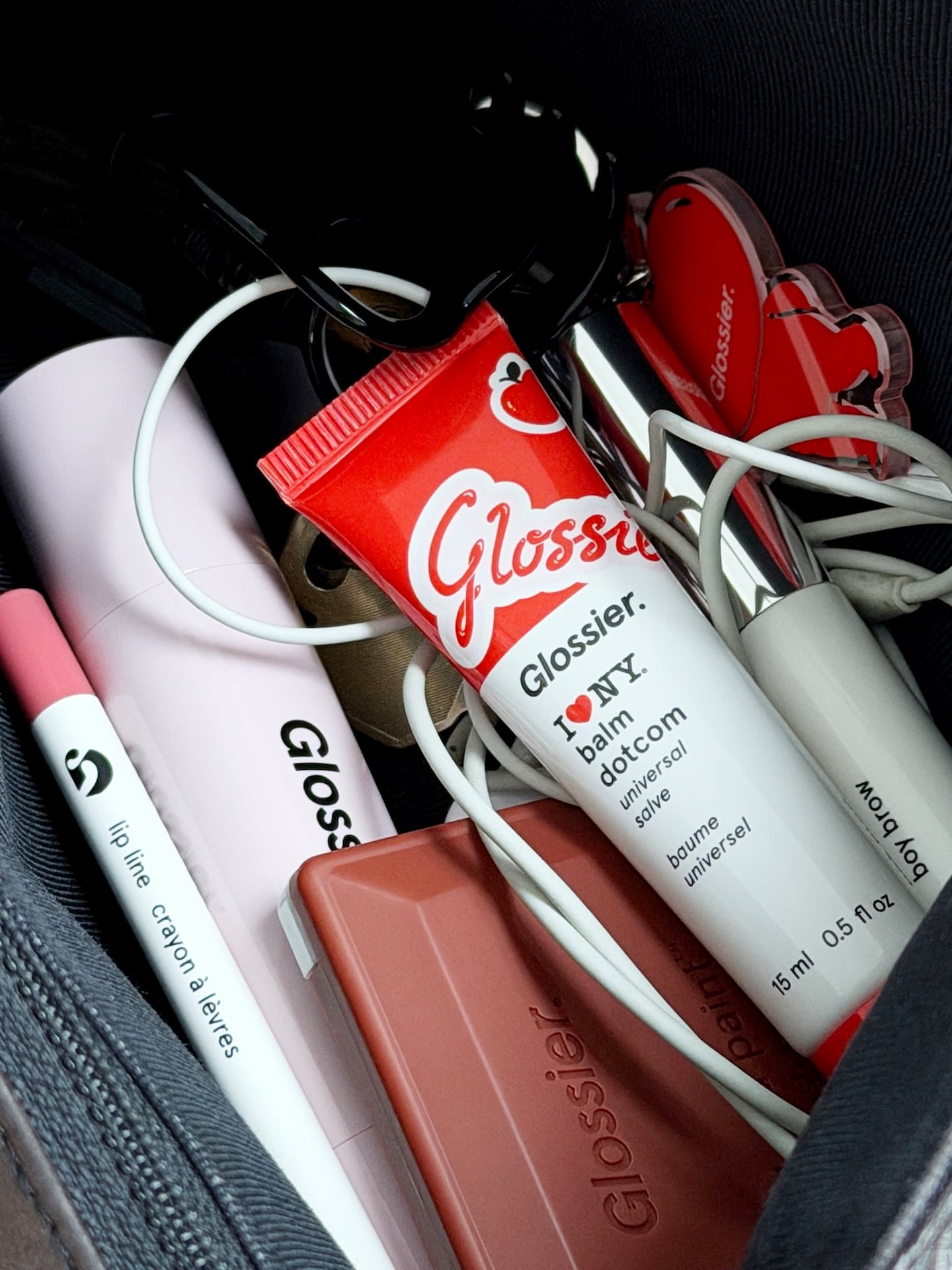
Camille Moore was a college student in Toronto when all anyone could talk about was Glossier. Though they could barely afford to do so, Moore and her friends flew to New York City for the opportunity to shop at its original showroom, a retail rendering of the brand’s immersive online world.
“I wanted to be a part of that,” said Moore, now a marketing strategist and the founder of Third Eye Insights. “It was really the first time that you saw this idea of a community-backed brand.”
“Marketing magic” may sound like an oxymoron, but not in Glossier’s case. When the brand was founded in 2014, it exerted a kind of gravity, pulling cool girls and cool-girl aspirants into its direct-to-consumer orbit with its Top Shelf interviews and minimalist product ethos. More recently, as Glossier has come down from its peak $2 billion valuation, rapidly expanded product assortments and retail expansions into retailers like Sephora and Mecca, its social currency has been diluted.
This year, Glossier has already gone to drastic measures to reorient its business — by culling its workforce, store fleet and assortment under new chief executive Colin Walsh. Just as difficult is the task of defining, and restoring, the identity of the label, which falls to Nicole Solórzano, the brand’s new chief marketing officer.
ADVERTISEMENT
Asked to describe what Glossier’s magic is, Solórzano said its “almost this universal feeling of happiness and optimism,” adding that “it just needs to be brought back to the surface of what we do every single day.”
Rewriting that story begins with Solórzano’s first major campaign with the brand, supporting a partnership with New York City’s Tourism board: A tube of the brand’s Balm Dotcom salve stamped with the city’s I ❤️ NY logo — and flavoured, symbolically, with apple — along with a line of merchandise, all dropping on July 14.

10 bodegas throughout Manhattan will be stocked with a limited number of balms for purchase, while the brand’s Soho flagship will transform into a “Balmdega” offering apple candies and apple juices to shoppers throughout the summer. After announcing the closure of nine of 12 stores, Glossier will focus on its New York, Los Angeles and London flagships for the foreseeable future, and Solórzano said to expect more “cultural and community hub” activations.
The brand’s “24 Hours With Glossier” campaign more directly hearkens back to the brand’s glory days by featuring a number of Glossier OGs (original girls) like the model Coco Baudelle; the Black Beauty Club co-founder Asmeret Berhe-Lumax; and the brand’s own founder Emily Weiss, who makes a rare appearance since stepping down from the CEO role in 2022.
The cast partake in a range of urbane cool-girl activities, from seeing an afternoon matinee to stocking a community fridge. Other businesses, like La Cabra and Ha’s Snack Bar, will host related activations, contributing to the sense of a city-wide festival as New York experiences one of its most electric summers in recent history.
Glossier’s marketing play is just one piece of rebuilding the desirability it once had in spades. In June, Glossier secured $45 million in working capital from Tiger Finance to continue funding Walsh’s turnaround, which hinges on paring the brand back to a more edited product assortment and store fleet. Alexis Page, the product developer responsible for Glossier’s original suite of launches, is back consulting on the pipeline. (Glossier did not return a request for comment on the news.)
Walsh and Solórzano joined from Ouai, where, as respective CEO and head of marketing, they helped oversee the hair care brand’s transition to Procter & Gamble and transformation into a lifestyle label. Ouai, like Glossier, is a DTC success story from another era, but has slowly scaled its singular point of view into multiple categories, including fragrance and wellness.
In contrast, Glossier’s shine has dulled as its perspective has gone wide. Under CEO Kyle Leahy, who joined in 2021, the brand ushered in an era of hyperproductivity, amping up launches, expanding into Sephora and leaning on fragrance as a growth driver. Walsh’s arrival in 2025 came with a renewed focus on hero franchises like Boy Brow, Balm Dotcom and Cloud Paint blush to create a “true expression of where this brand has been and where it needs to go,” as he told The Business of Beauty in March.
ADVERTISEMENT
That explains the brand’s return to more community, story-focused marketing, as evidenced in its February “You Smell Good” campaign, which was informed by anecdotes from Glossier fans about wearing its flagship fragrance. The I ❤️ NY campaign, similarly, taps into the brand’s origin story as a New York-based company, and gathers together a cast of New Yorkers who have helped sell the brand at various points in its history.

“It’s about sharing little peeks into their life in New York City, humanising this city … and ultimately kind of bringing us back to Glossier’s roots of Into the Gloss and sharing people’s stories,” Solórzano said.
The concept of “community” has long been a key ingredient to Glossier’s success, but the definition has changed over time. In the early days, when Weiss started Glossier’s blog predecessor Into the Gloss — cataloguing, interviewing and photographing the beauty routines of aspirational New Yorkers — that community was a rarefied group of women and a vocal comment section. ITG surfaced It girls faster than anybody else: Before the model Paloma Elsesser became a Pat McGrath muse, she was on ITG.
ITG remained core to the Glossier origin story — the brand name comes from “Dossier” and implies Weiss’ vast trove of interviews — but not central to the new organisation. As the product range grew, the editorial team was absorbed into Glossier’s marketing department, where it sits to this day. (About a fourth of the company’s corporate headcount works in marketing and brand.) The site’s monthly traffic in 2026 has halved from its peak of 1 million unique visitors in 2017, according to estimates from digital intelligence company Similarweb, but sessions are up 30 percent in the last three years. Readers are coming back, though they can no longer comment.
ITG has started to activate more in line with Glossier’s marketing ambitions: Into the Gloss threw perfume-themed dinner parties around the launch of its fragrance You Soie, and will produce New York-themed content and more activations throughout the I ❤️ NY summer. “Into the Gloss is going to be more integrated back into the core brand, and you’ll see them in certain touch points,” Solórzano said. Glossier recently brought contributor Daise Bedolla full-time as an ITG editor, its first editorial hire in five years, reporting into editorial director Ashley Weatherford.
“We’re making sure that it feels more like a cohesive ecosystem, and that the two help to plus each other up in the future,” Solórzano said.
Though Glossier once catered to cool girls, it now must cater to the everygirl. Brands like Merit have stolen share in the category by applying an editorial varnish to workaday cosmetics like blush or tinted sunscreen, and by collaborating with nostalgic and relevant faces like Girls’ Jemima Kirke and repeat ITG interviewee Laurel Pantin. Its “five minute face” makeup routine is designed to suit women all over the world.
While Glossier’s New York campaign underscores its roots, its marketing needs to stretch as far as its customer has evolved.
Sign up to The Business of Beauty newsletter, your complimentary, must-read source for the day’s most important beauty and wellness news and analysis.
Disclosure: Brennan Kilbane worked at Glossier and Into the Gloss between 2015 and 2017.
The 11 year-old beauty brand has seen success with its fragrance franchise — which adds a new scent, Fleur, this month — but is focused on building multiple categories to broaden its appeal.
Instead of getting caught up in Gen-Z mania, Merit has become profitable and expects to hit $100 million in revenue this year by targeting Millennials with classic luxury branding and no-makeup makeup.
The line’s $1 billion valuation hinged on Emily Weiss repositioning the brand as a tech start-up rather than “only” a beauty label. As illustrated in an excerpt from Marisa Meltzer’s new book on the founder’s larger-than-life ambitions, inclusive of an app that never saw the light of day, it was a poor fit practically from the start.

Brennan Kilbane is News and Features Editor at The Business of Beauty. He is based in London, and supports BoF’s coverage of the multifaceted cosmetics industry, from fine fragrance to wellness trends.
Loading recommended reads…
The designer leaned into the glamour and sex appeal of the storied Parisian fashion house. Sales nearly tripled during his tenure before sliding in recent years.
BoF’s editors pick the best shows from the Spring/Summer 2027 fashion season.
Brands may be racing to invest in new technology, but the biggest barrier to online sales is far more basic, finds BoF Insights and Amazon Fashion & Sports’ latest report ‘Inside Fashion & Sports E-Commerce.’
Every photographer is telling their own tale, says Walker, but his new exhibition also offers an emotional document of the triumphs and challenges of queer culture.