Agenda-setting intelligence, analysis and advice for the global fashion community.
Agenda-setting intelligence, analysis and advice for the global fashion community.

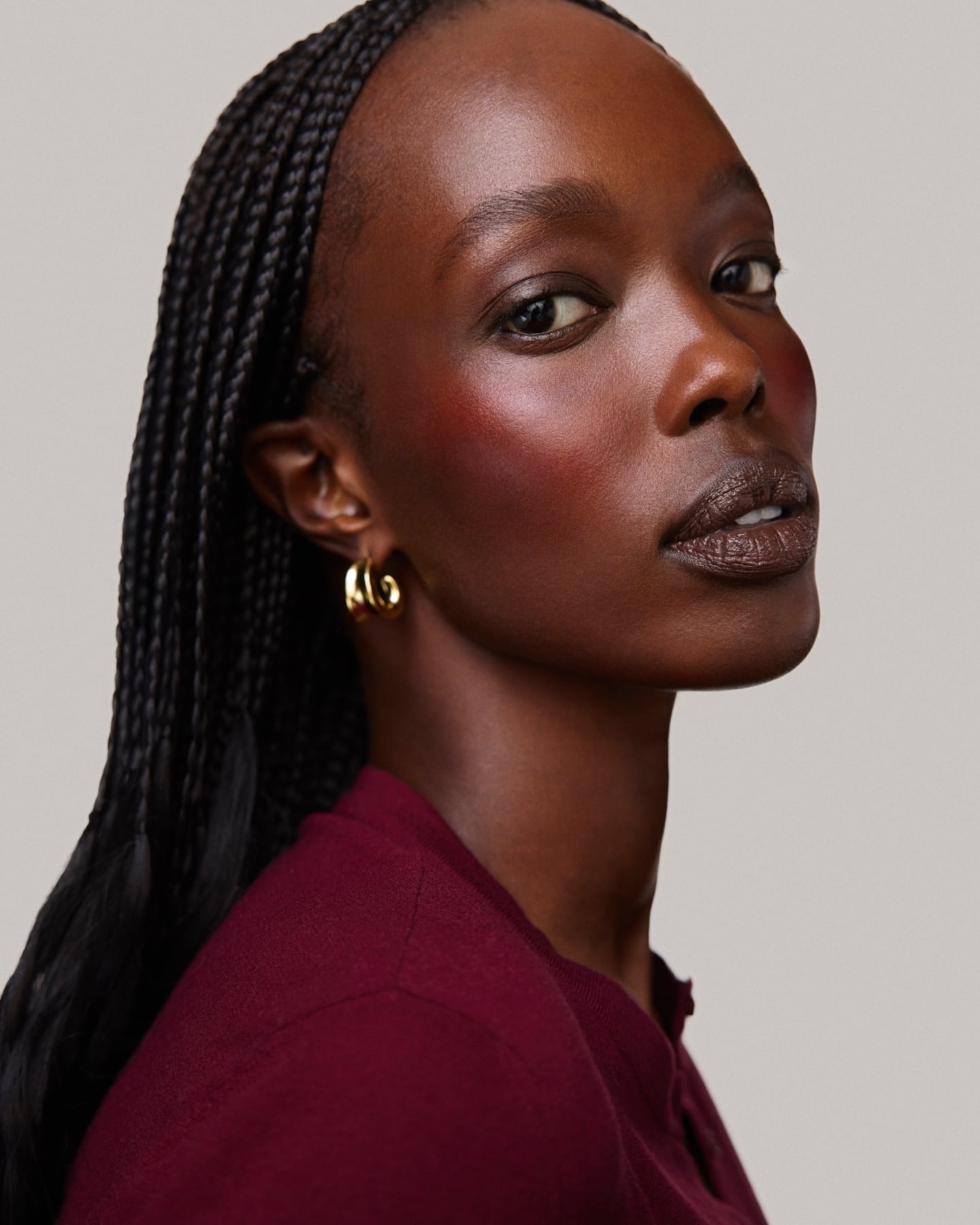
Blush has been the darling of the makeup category since 2023, but its vibrant hue is starting to fade.
Advancements in formulas and formats have helped catapult the category from $367 million in 2022 to $584 million by the end of 2025, according to NielsenIQ data. During this time, brands launched era-defining products, including Rhode’s best-selling Pocket Blush in 2024 and Rare Beauty’s Soft Pinch Matte Bouncy Blush, a 2025 follow-up to its hit Soft Pinch Liquid Blush released in 2020. But the category has reached a new level of maturity, and all the risk that comes with it: higher scrutiny of shade ranges, higher expectations for new formulas, and full-blown controversies as makeup artists struggle to innovate.
Data suggests that the problem is limited to the premium tier. Mass blush sales increased 36.8 percent year-over-year in the 52 weeks ending May 2026, while prestige blush declined 13 percent, according to NielsenIQ. Between dupe culture and consumer concerns over the cost of living, a $30 blush, even with the latest innovation, is now harder to justify. Still, the category continues to crowd on both ends of the price spectrum, and brands have to prove their worth.
“[Yes], there’s a lot now in terms of shade range, but there’s also just a lot of product and dupification of specific products, so there’s a lot of the same,” said Toni Bravo, a content creator with 1.1 million TikTok followers, many of whom call her the “CEO of blush.”
ADVERTISEMENT
“In terms of the shade ranges, it’s now more than ever about the quality of wear and formulas.”
One theory that explains the bifurcation driving an uptick in mass sales and a decline in prestige involves two very different types of customers.
The first are makeup enthusiasts who drive the trend cycle and buy products as a hobby, while the second treat makeup as a utility. That second, more reliable cohort comprises 80 percent of all beauty consumers, estimates Aila Morin, the chief marketing officer of US cosmetics brand Merit.
Fifteen to 20 percent of Merit’s sales come from blush — namely its Flush Balm, which retails for $30 and comes in 13 shades. “Blush is decelerating simply because people have bought a ton of blush in the last few years, and there’s not really anything new and compelling right now,” Morin said. The brand uses shade extensions to play with fashion trends without needing to expand into new products and formats. Its focus is on the larger utility-focused customer base through a tight but elevated assortment; its blush business continues to grow year-over-year.
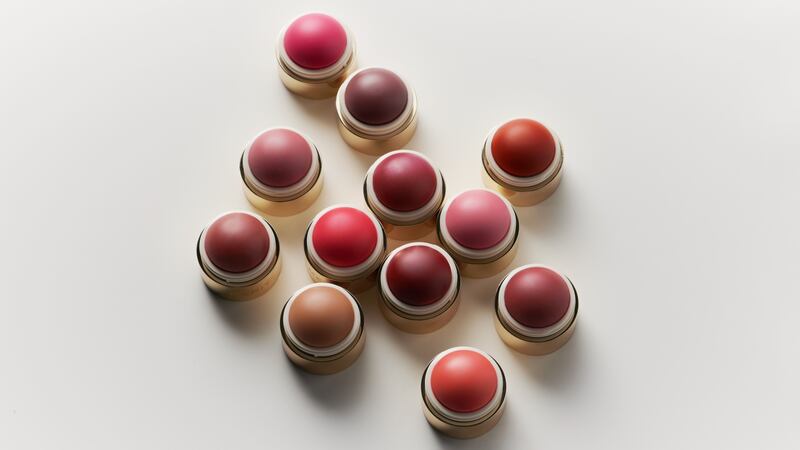
Despite a lack of true innovation, there is no shortage of blush options on the market today. In the US, Sephora.com carries 140 foundation products, including skin tints and BB creams, and 160 blush SKUs; Ulta Beauty offers 226 foundations and 334 blushes.
Shoppers are scrutinising new launches closely. The launch of Patrick Ta’s second blush SKU, a set of “transition” blush duos in May 2026, was eclipsed by accusations that he copied the technique of another artist, Esther Edeme. Edeme pointed out that her own technique was inspired by the work and product of the late Kevyn Aucoin, whose eponymous brand launched its gradient blushes in 2018.
“I do think a transition blush is innovative, but there is naturally a pushback of people asking, ‘Couldn’t we just achieve this with the lighter blush or with what we already have?’” said Bravo. When she reviewed the Transition Blush on May 21, her followers mostly commented that the product was a “money grab” and looked similar to existing products from other brands.
The Transition Blush outcry had a lot to do with makeup artistry, but it was underscored by a sense of fatigue for what feels like an oversaturated prestige product category. Customers have instead turned to mass blush to get their blush fix, precisely because dupes are often seen as equal quality. Mass and prestige sales growth is neck and neck across the beauty industry for the first time in five years, according to Circana data. Specifically, mass beauty sales rose 7 percent year over year in the first quarter of 2026 to $18.1 billion, compared to prestige beauty’s 6 percent to $8.1 billion in the same period, according to data released in May.
ADVERTISEMENT
Merit, for its part, plans to cull its blush, but which shades will be cut isn’t determined. The brand runs focus groups twice a year, in which customers are asked which products or shades are missing and what they like or dislike about them.
“Obviously, we look at sales, but we also look at who the consumers are we are serving, where is the redundancy, and then how do we update over time and iterate,” said Morin.
Brands like Merit that are beating the prestige blush slump are doing so by catering to utility-minded consumers, not trend-obsessed ones. But there are other ways that the category can spur new growth.
Ipsy members bought $2.1 million worth of blush last year — 34 percent more than in 2024, said Kristy Westrup, chief merchandising officer at Ipsy, citing Rare Beauty, Kosas, Saie and Fenty Beauty as top-performing brands. Customers are paying attention to blendability, wear time, finish, ingredient stories and how products perform on camera and in real life, she said.
Product developers are leaning into skinification, as well as positioning blushes as multitaskers for cheeks, lips and eyes. Several brands introduced skincare-infused blushes in 2025, like Summer Fridays’ Blush Butter Balm, featuring peptides and hyaluronic acid, or Glow Recipe’s Watermelon Niacinamide Dew Drops, a line of four tinted cheek serums. Mass label Milani Cosmetics reformulated its 15-year-old Baked Blushes in 2026 with grape leaf extract and olive fruit oil.
The most recent sign of product and technique innovation is “blonzer,” a portmanteau of blush and bronzer. Despite the same trend emerging in 2024, Morphe launched three new additions to its multi-texture Cheek Thrills collection and a brand-new line of Bronzer & Tone duos in March for $19. Iconic London also released a series of cushion compact blushes ($32) and bronzers ($35) in May. Too Faced relaunched and expanded its Sunny Bunny bronze-and-blush duos ($34) after discontinuing them around 2018.
“The staying power of blush for Ipsy comes from the intersection of self-expression and accessibility. But it’s very important today for things to not be complicated,” said Westrup.
Another bright sign is the “wardrobing” of different formats and colours, as well as the hybridisation of blush and bronzer. Kaitlin Rinehart, vice president of merchandising at Ulta Beauty said this blending presents opportunities across the broader face category and a sales lift among bronzers, contour and other face-sculpting products. She highlighted Dibs, Rare Beauty, Morphe, MAC, Kylie Cosmetics, Fwee and About-Face as standout brands.
ADVERTISEMENT
The most successful brands are those that “clearly communicate their point of difference and continue to deliver meaningful innovation and strong product performance,” she said via email.
Sign up to The Business of Beauty newsletter, your complimentary, must-read source for the day’s most important beauty and wellness news and analysis.
The sleepy category is waking up after years of ‘clean girl’ minimalism caused a sales slump.
Once thought of as a somewhat dowdy, staid product, younger consumers are now embracing blush, wearing multiple products, formulas and shades as part of their daily look.
Customers across various generational cohorts are changing their routines for fear of looking out of date — not looking their age.
Loading recommended reads…
Sales of gems, precious metals and artwork at Japan’s department stores climbed 19 percent in the first half of 2026 from a year earlier to $2 billion.
Though Adidas dressed both teams in the World Cup finals, the global football tournament still presented some bright spots for Nike, writes Bloomberg’s Andrea Felsted.
From our archive, the creator and host of award-winning podcast “Articles of Interest” joins BoF founder, CEO and editor-in-chief Imran Amed to explore what clothing can reveal about identity, culture, labour and the world around us.
Saunders, the brand’s first creative director in five years and a skilled colourist, promises to give Kate Spade the clarity it has long lacked. Now, Tapestry must apply the same long-term brand-building discipline that fueled Coach’s success.