Nvidia Shares Slide as CEO Jensen Huang Resigns
Jensen Huang’s exit deepens the crisis at the chipmaker at the centre of the AI rally that’s powered new wealth creation in the US, luxury fashion’s most important market.


The world’s largest luxury group is finally focused on digital. Does it need to think bigger?

LVMH's chief digital officer discusses the birth of the digital music business, LVMH's digital strategy and France's potential as a hotbed for entrepreneurial tech talent.

This week, Zara opens a London flagship with automated order collection points and self-checkout, while Amazon's US sales are set to match Walmart's in three years.

This week, LVMH allegedly leads a new round of investment in Lyst, while Google launches a new image recognition technology.

Five diamond manufacturers worked with De Beers to develop the blockchain platform called Tracr, which will be launched and made available to the rest of the industry at the end of the year.
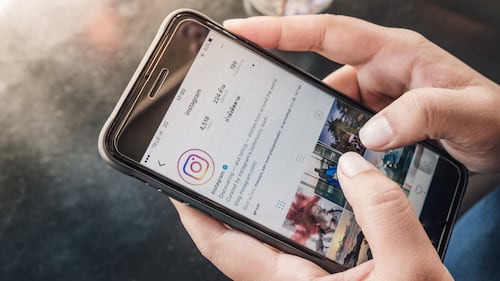
This week, Instagram offers a native payments feature for some users, while US online spending grows 14.4 percent year-on-year.

This week, Apple aims to become a luxury fashion lifestyle and content brand, while faces could turn into digital calling cards.
The initiative will make it easier for consumers to track diamonds and precious metals through the various steps of the supply chain.

While platforms like YouTube don’t have integrated e-commerce, video-streaming apps in China, and now the West, are driving more and more sales.

This week, Apple will use AR to reinvent glasses, while some fashion brands used technology to bring their activations to life at the festival.

On the road to an IPO, the fashion unicorn is launching a start-up accelerator aimed at driving innovation for online and physical stores.

This week, the luxury resale company wants to raise $100 million in funding, while JD.com's Richard Liu says AI will take over retail.
Jensen Huang’s exit deepens the crisis at the chipmaker at the centre of the AI rally that’s powered new wealth creation in the US, luxury fashion’s most important market.
A growing Dutch outcry over the glasses mirrors a broader backlash against smart glasses equipped with cameras.
Smart glasses have become a target of criticism in recent months amid growing concerns they can be used to record people without their consent.
The e-commerce giant prohibits other companies from deploying automated tools to shop its site and started blocking Meta’s Muse on Sunday night.
The smart ring maker plans to market 50 million shares for $40 to $44 each, according to filings, which could value the company as high as $14.1 billion.
Shares in the eyewear giant, one of Europe's best-rated blue chips, have dropped 55 percent since November, while concerns are mounting over slowing growth and privacy issues for its AI glasses with Meta.
The UK company's new device uses artificial intelligence and a built-in camera to give real-time feedback on oral hygiene.
The Swiss watchmaker initially sought about $170 million from the Korean technology giant for failing to prevent apps that mimicked its luxury brands on its smartwatch displays.