Nvidia Shares Slide as CEO Jensen Huang Resigns
Jensen Huang’s exit deepens the crisis at the chipmaker at the centre of the AI rally that’s powered new wealth creation in the US, luxury fashion’s most important market.


The brand's e-commerce channel has grown 30 percent in the last two years, with internet sales accounting for just under 8 percent of total revenue.

As networks are tightening control over what content their users see — often to the detriment of brands — BoF boils down five tips for social-media success.

As the Facebook-owned platform works to lock down its privacy policy amid mounting public pressure, some fashion apps and social media influencers are left scrambling.

This week, Condé Nast bets on video to drive its publications forward, while Alibaba invests in major player in China's artificial intelligence industry.

The US retail giant looks to take a controlling stake of 51 percent or more in the Indian company, as it seeks to overtake rival Amazon in e-commerce battle.

This week, eBay Fashion aims to compete against Amazon with a new campaign, while beauty companies are investing in apps to tap into the Gen-Z consumer.

This week, demands grow for Facebook to explain its privacy policies, while human microchips may signal the future for the beauty industry.
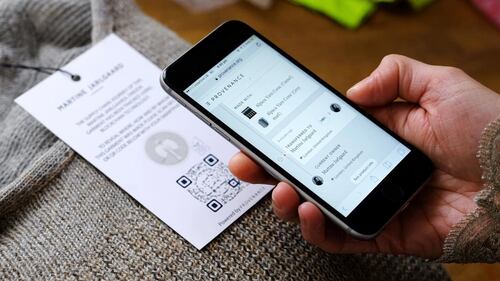
Blockchain will revolutionise the industry in the next 10 years, but a number of systems have to be built to support it, argues Charles Beckwith.

The company almost doubled net income to a record $3.3 billion driven by its vast social networks WeChat and QQ.

This week, e-commerce company JD.com is accused of selling counterfeit products, while Zara launches an augmented reality app to lure millennials.

Algorithms and human intuition can work together, say experts at SXSW.
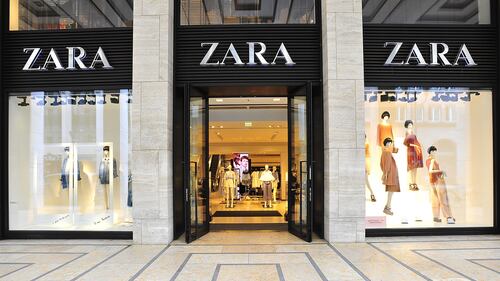
The world's biggest clothing retailer is introducing augmented reality to Zara window displays from April.
Jensen Huang’s exit deepens the crisis at the chipmaker at the centre of the AI rally that’s powered new wealth creation in the US, luxury fashion’s most important market.
A growing Dutch outcry over the glasses mirrors a broader backlash against smart glasses equipped with cameras.
Smart glasses have become a target of criticism in recent months amid growing concerns they can be used to record people without their consent.
The e-commerce giant prohibits other companies from deploying automated tools to shop its site and started blocking Meta’s Muse on Sunday night.
The smart ring maker plans to market 50 million shares for $40 to $44 each, according to filings, which could value the company as high as $14.1 billion.
Shares in the eyewear giant, one of Europe's best-rated blue chips, have dropped 55 percent since November, while concerns are mounting over slowing growth and privacy issues for its AI glasses with Meta.
The UK company's new device uses artificial intelligence and a built-in camera to give real-time feedback on oral hygiene.
The Swiss watchmaker initially sought about $170 million from the Korean technology giant for failing to prevent apps that mimicked its luxury brands on its smartwatch displays.