Nvidia Shares Slide as CEO Jensen Huang Resigns
Jensen Huang’s exit deepens the crisis at the chipmaker at the centre of the AI rally that’s powered new wealth creation in the US, luxury fashion’s most important market.


This week, online sales of personal luxury goods are set to reach $90 million, while Stitch Fix shares fall after posting second-quarter results.

This week, Shudu is the first digitally-created supermodel, while Apple overtakes Fitbit in wearables sales.
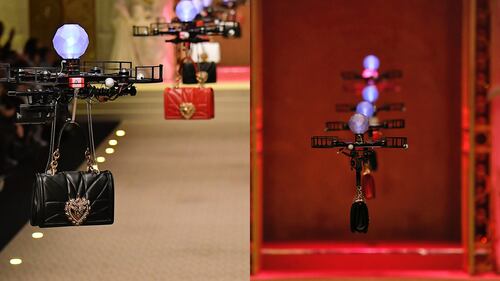
This week, Dolce & Gabbana uses drones instead of models at Milan Fashion Week, while JD.com launches accelerator for blockchain start-ups.

This week, Apple sells more watches than the entire Swiss watchmaking industry, while Apple and Target are in competition for the same customer.

The French luxury house has inked a strategic partnership with the fashion platform, but still has no plans to sell its ready-to-wear and handbags online.
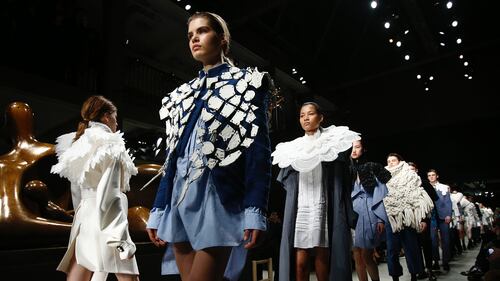
Burberry will work closely with Farfetch to expand its distribution globally, giving the British brand access to over 150 countries.

Sales of wearable devices nearly doubled last year to more than $300 million and now account for 14 percent of Fossil's watch revenue.
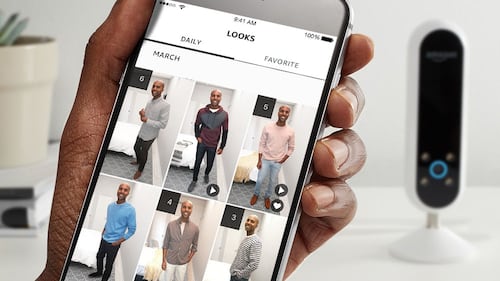
This week, Amazon's Echo Look will partner with Condé Nast publications to give out fashion advice, while Humans of Fashion will launch an app to provide the industry with a support network.

This week, Intel makes its first foray into wearables, while retailers are set to spend over $7.3 billion on AI by 2022.

Spatialand, which worked with Walmart's incubator Store No 8 on project last year, is a software platform that helps create virtual reality experiences.

The fashion ‘unicorn’ has entered into a joint venture with Chalhoub Group ahead of a $5 billion IPO that is set for September 2018, according to sources close to the deal.

This week, Nike uses algorithms to design its Epic React Flyknit trainer, while Amazon raises fees for third-party apparel sellers.
Jensen Huang’s exit deepens the crisis at the chipmaker at the centre of the AI rally that’s powered new wealth creation in the US, luxury fashion’s most important market.
A growing Dutch outcry over the glasses mirrors a broader backlash against smart glasses equipped with cameras.
Smart glasses have become a target of criticism in recent months amid growing concerns they can be used to record people without their consent.
The e-commerce giant prohibits other companies from deploying automated tools to shop its site and started blocking Meta’s Muse on Sunday night.
The smart ring maker plans to market 50 million shares for $40 to $44 each, according to filings, which could value the company as high as $14.1 billion.
Shares in the eyewear giant, one of Europe's best-rated blue chips, have dropped 55 percent since November, while concerns are mounting over slowing growth and privacy issues for its AI glasses with Meta.
The UK company's new device uses artificial intelligence and a built-in camera to give real-time feedback on oral hygiene.
The Swiss watchmaker initially sought about $170 million from the Korean technology giant for failing to prevent apps that mimicked its luxury brands on its smartwatch displays.