Nvidia Shares Slide as CEO Jensen Huang Resigns
Jensen Huang’s exit deepens the crisis at the chipmaker at the centre of the AI rally that’s powered new wealth creation in the US, luxury fashion’s most important market.

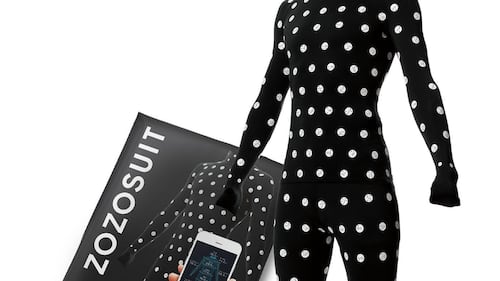
Fast Retailing's Tadashi Yanai and Yusaku Maezawa, founder of Japan’s largest e-commerce company, Start Today, traded public barbs over Maezawa's new body-scanning technology.

This week, Shanghai-based Pinduoduo went public raising $1.6 billion through a US IPO, while the number of US retailers reporting a data breach at any time in the past is up to 75 percent with half of those occurring in the last year.

This week, Walmart enters into a strategic partnership with Microsoft to rival Amazon, while JD.com's innovations are transforming rural China.
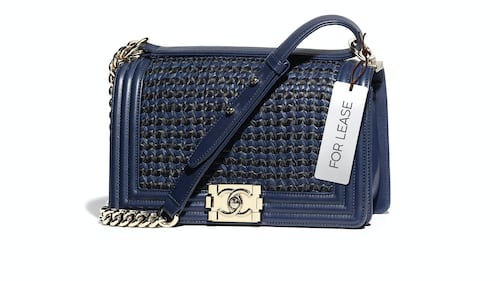
From Uber to Spotify, ownership is giving way to on-demand services. What does this mean for fashion?

This week, Target has an invite-only app that lets members collaborate with the company's designers, while in mainland China customers gain access to Louis Vuitton's delivery service.

This week, venture investors put a premium on shoe start-ups, while JD.com builds up its presence in the luxury retail sector with an investment in Chinese luxury retailer Secoo.

This week, the Apple Watch's success has created a successful luxury smartwatch niche, while a new report sees apparel sales increase online.

This week, a Supreme Court decision challenges the status of e-commerce retailers, while Amazon quietly promotes its in-house products to consumers.

This week, Google places a $550 million bet on China's second-largest e-commerce player , while too many ads turn away online shoppers.

This week, H&M tries facial recognition mirrors in its New York flagship store, while location finding apps become a growing phenomena for luxury brands.

This week, L'Oréal acquires its first beauty tech start-up ModiFace, while a new tech industry report suggests a slowing growth in Internet users.

This week, Ulta is one Amazon's main competitors in the beauty space, while stores could be tracking customers with facial recognition technology.
Jensen Huang’s exit deepens the crisis at the chipmaker at the centre of the AI rally that’s powered new wealth creation in the US, luxury fashion’s most important market.
A growing Dutch outcry over the glasses mirrors a broader backlash against smart glasses equipped with cameras.
Smart glasses have become a target of criticism in recent months amid growing concerns they can be used to record people without their consent.
The e-commerce giant prohibits other companies from deploying automated tools to shop its site and started blocking Meta’s Muse on Sunday night.
The smart ring maker plans to market 50 million shares for $40 to $44 each, according to filings, which could value the company as high as $14.1 billion.
Shares in the eyewear giant, one of Europe's best-rated blue chips, have dropped 55 percent since November, while concerns are mounting over slowing growth and privacy issues for its AI glasses with Meta.
The UK company's new device uses artificial intelligence and a built-in camera to give real-time feedback on oral hygiene.
The Swiss watchmaker initially sought about $170 million from the Korean technology giant for failing to prevent apps that mimicked its luxury brands on its smartwatch displays.