Circulose Appoints Interim CEO as Textile Recycling Plant Restarts
Chief financial officer Amanda Geijer will take over from Jonatan Janmark as the Swedish textile recycler resumes commercial-scale production.

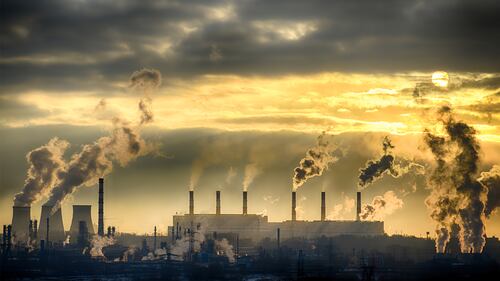
The brands are among the lead donors to a new fund, which is designed to de-risk and scale high-impact projects so they can attract up to $2 billion in more conventional financing.

Levi Strauss and H&M Group rank among the top five companies in The BoF Sustainability Index 2022, but the high street segment also contains the annual assessment’s lowest-scoring company with no points at all.

Kering and Burberry top the luxury ranking in this year’s BoF Sustainability Index, while Prada, Capri, Richemont and Tapestry lag.

To understand where the industry is falling short and where it has the most opportunity to progress, explore our four-part Sustainability Masterclass Series.

Efforts to transform the fashion industry in line with global ambitions to curb climate change and establish more responsible business practices by 2030 have yet to gain sufficient momentum, The BoF Sustainability Index 2022 finds.

For the first time, brands including Stella McCartney, Balenciaga and Hermès are bringing products made of buzzy mushroom-based materials to market, a critical test for whether the next-generation fabrics could one day hit the mainstream.

In a sea of unsubstantiated claims about sustainability, BoF’s Sarah Kent explains why it's so hard to measure impact, and what sort of regulation could be coming for fashion.

In an exclusive interview, Prada’s future CEO and joint marketing and sustainability chief spoke to BoF about making recycled nylon a reality, why the market isn’t ready for leather alternatives and Prada’s plans in resale.

Footwear has always been an engine for innovation, but developing a more sustainable shoe presents a particular challenge.

European efforts to introduce standardised rules governing how brands back up environmental claims are fuelling a heated debate that stands to create winners and losers.

The French luxury giant participated in a $46 million funding round intended to accelerate commercialisation of San Francisco-based VitroLabs’ lab-grown leather.
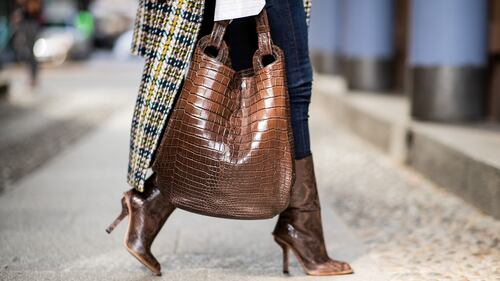
While some companies have denounced the use of crocodile, snake and ostrich skins to make high-end leather goods, others are doubling down on the product category.
Chief financial officer Amanda Geijer will take over from Jonatan Janmark as the Swedish textile recycler resumes commercial-scale production.
A new analysis of eight widely used cosmetics ingredients by Verisk Maplecroft found widespread exposure to child and forced labour risks, with palm oil, cocoa and shea nuts among the most problematic commodities.
Global environmental non-profit The Nature Conservancy has launched a new industry coalition to help apparel companies tackle microfibre pollution across their supply chains.
The new initiative will explore how the industry can take responsibility for the millions of used and unsold garments exported to secondhand markets around the world.
Planet-warming emissions associated with the raw materials used to make fashion, footwear and home textiles have risen 30 percent since 2019, according to a new report.
Investments to reduce heat stress for garment factory workers can pay for themselves within four years, a new report from Cornell University's Global Labor Institute finds.
Greenhouse gas emissions rose in 2023 and 2024, due in part to increased global production of fibre, especially polyester, according to a new report by the Apparel Impact Institute.
Lululemon and apparel manufacturer MAS Holdings are among the investors backing the French startup as it scales a proprietary process for recycling nylon from mixed-textile waste.