Amorepacific Third-Quarter Revenue Rises 11%, Overseas Growth Cools
Revenue growth outpaced the previous quarter in the Korean conglomerate’s domestic market, but slowed internationally.


Liz Flora is a Beauty Correspondent at The Business of Fashion (BoF). Based in Los Angeles, she has also reported from New York and Beijing. Previously, she was the West Coast Correspondent at Glossy and host of the Glossy Beauty Podcast. Her work has also appeared in Women’s Wear Daily, CNN Style, Artnet, Slate and The Atlantic. She holds a master’s degree from Columbia University and a bachelor’s degree from the University of Chicago.
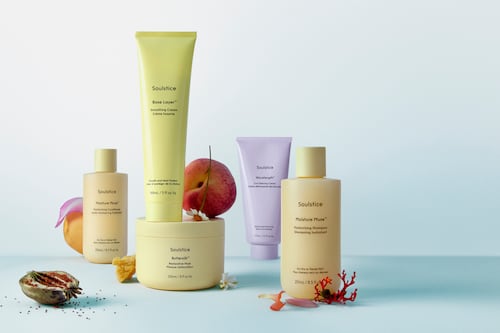
For a new generation of beauty founders, the timeline between selling one brand and launching a new one has shrunk rapidly. It’s just as well: Founders can’t wait to get their hands dirty again.
The Korean conglomerate has unveiled its second incubated skincare line, Depthi, shifting its focus to in-house brands after years of acquisitions.
Successfully launching a new beauty segment can bring brands fast growth as well as longevity. But in an era of chasing viral trends and hype, companies need to balance quick product development with a coherent point of view, or risk losing their identity entirely.
While conglomerates like L’Oréal and Estée Lauder dominate chatbot recommendations, independent labels like Divi and Omnilux are boosting AI traffic by targeting niche queries and overhauling backend data.
ADVERTISEMENT
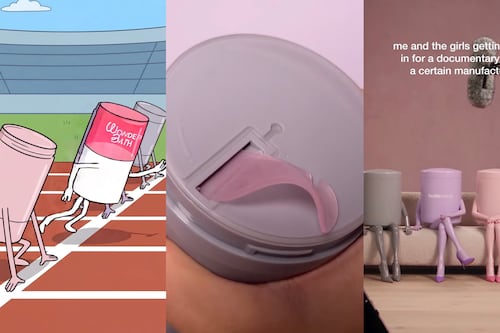
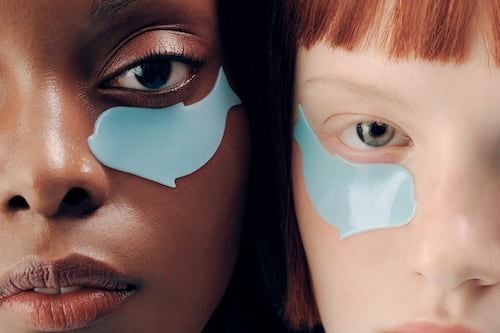
The manufacturer of the gel eye masks that broke the internet weighs in on why Fenty Beauty, Huda Beauty, and Glow Recipe announced the same product within a week.
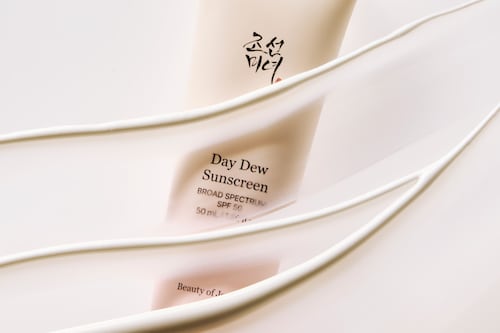
Goodai is the latest indie breakout to toy with trading in the public markets.
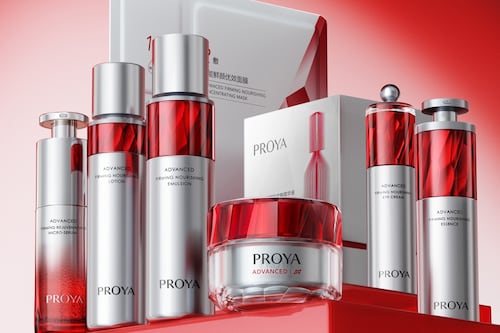
From Proya to Florasis, Chinese beauty brands are looking for opportunities abroad amid an uneven domestic market. Retailers around the world are eager to stock them.
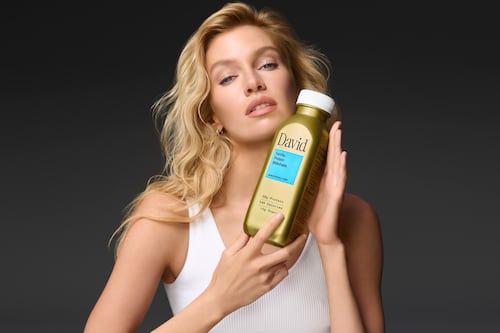
Fresh off a $2.25 billion valuation for its parent company, the wellness startup has a new launch, campaign and mandate to conquer calorie-counting consumers.
ADVERTISEMENT
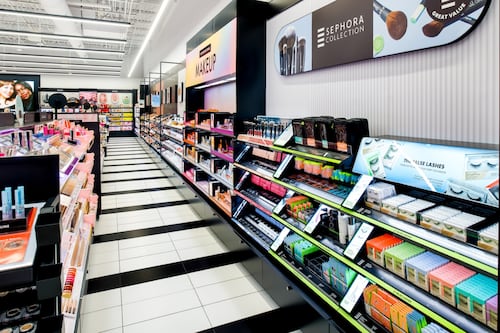
The debut of the retailer’s new TikTok Shop storefront, which offers limited-edition exclusive products released each month, changes the rules of beauty retail.
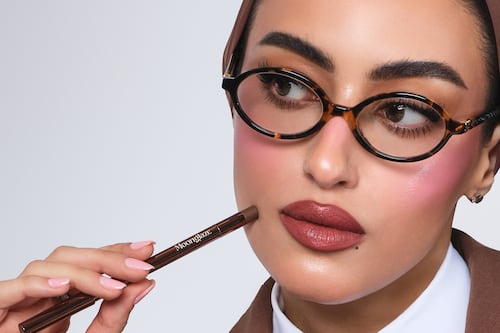
The country has emerged as the GCC region’s largest cosmetics market as societal change spurs sales and homegrown brands.
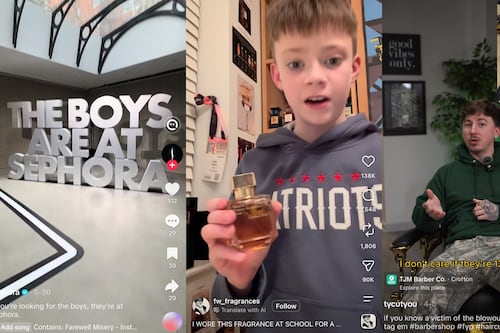
While talk of tween beauty typically centres around gourmand body sprays and skincare for girls, Gen Alpha boys are buying up luxury fragrances and TikTok-famous hair products.
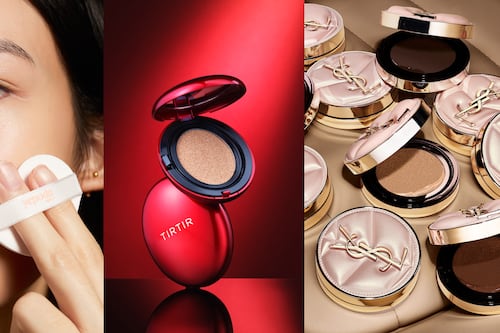
One of Asia’s biggest beauty product categories had failed to translate globally for over a decade, but it may finally be seeing its moment.
Revenue growth outpaced the previous quarter in the Korean conglomerate’s domestic market, but slowed internationally.
Known for its premium beauty clients including Glossier and Hermès Beauty, the agency’s new division combines influencer marketing and AI insights.
Known for its prenatal vitamins, the wellness label has hired Rare Beauty's Ashley Murphy as its chief marketing officer, while Anjelika Temple moves into the chief creative officer role.
The conglomerate bought its former partner’s 50 percent share to take full ownership of the Spanish skincare label.
The beauty retailer’s fiscal second-quarter growth was driven by fragrance, K-beauty and store expansion, said CEO Kecia Steelman.
The refillable clean makeup brand will enter the complexion category as it makes its debut across over 700 Ulta Beauty doors.
The beauty company revealed three executive departures and a new structure to its prestige division as it pursues its comeback strategy.
Sherry Jhawar is stepping into the leadership position, while founder Mutyala will remain a board member with the skincare and makeup label.