Agenda-setting intelligence, analysis and advice for the global fashion community.
Agenda-setting intelligence, analysis and advice for the global fashion community.

Selling one’s brand to a strategic firm used to be the finish line. Now, it’s merely a pause before founders race ahead to their next business.
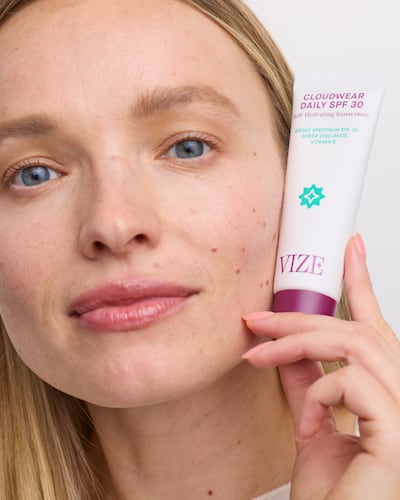
The creators of Briogeo, Hero Cosmetics and Naturium have all announced new ventures in the last year, with Hero Cosmetics co-founder Ju Rhyu revealing a new sunscreen brand, Vize, in September. Before doing so, she had a long conversation with Church & Dwight, which acquired her first brand in 2022, but ultimately, “they were okay with it,” said Rhyu.
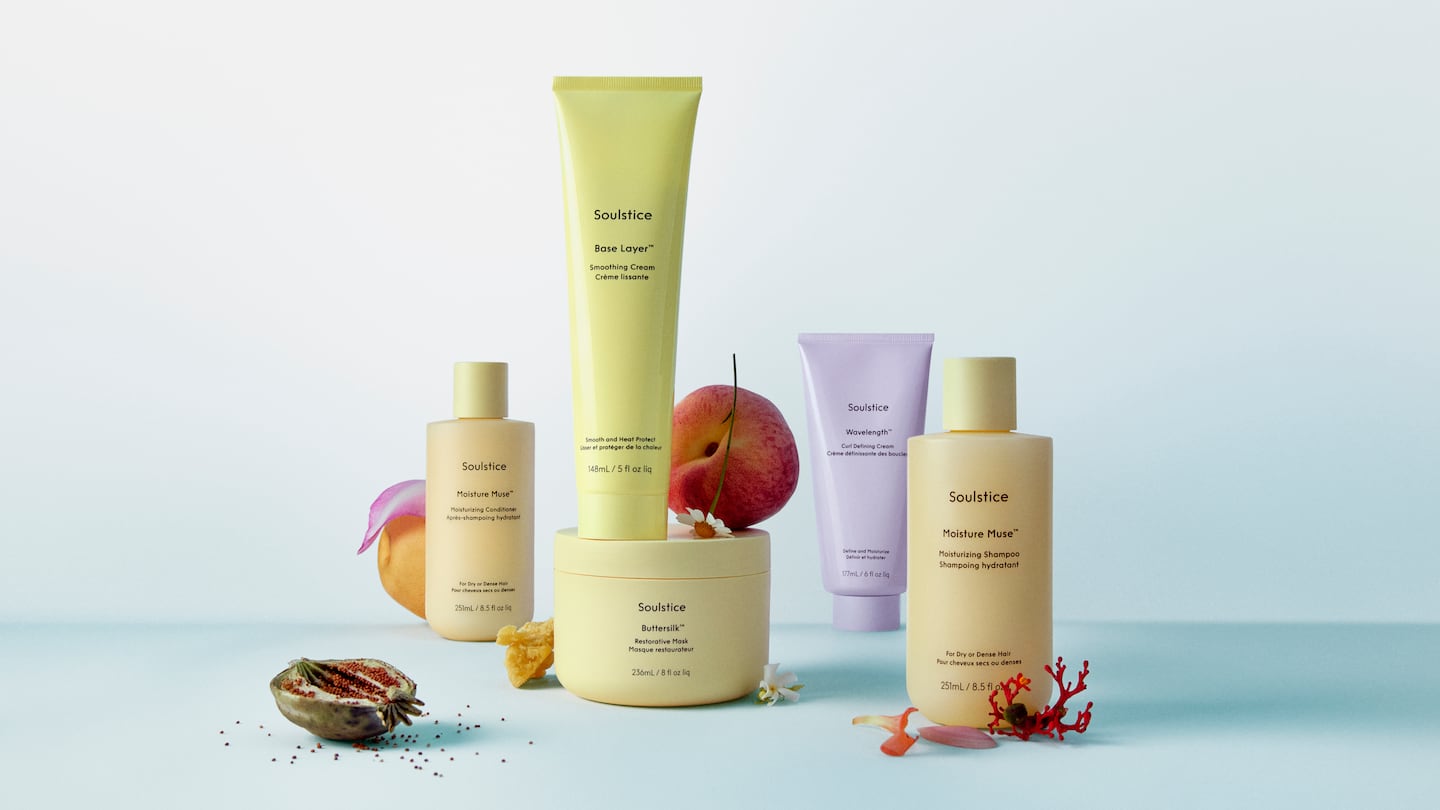
Rhyu joins a long line of beauty serial entrepreneurs from Bobbi Brown to Too Faced’s founders Jerrod Blandino and Jeremy Johnson. But her generation is wasting no time in moving on: Looser contract terms and faster logistics have allowed a string of founders to debut new brands under quicker timelines in recent months. Nancy Twine launched her second haircare label Soulstice in September, four years after selling her first brand Briogeo to Wella. Susan Yara unveiled body- and haircare brand Playa in April, only three years after selling Naturium to E.l.f., while Youth to the People co-founders Joe Cloyes and Greg Gonzalez were among the co-founders of fragrance label Lore, which debuted four years after their brand was acquired by L’Oréal Group. Wellness is seeing even speedier timelines. Poppi co-founder Allison Ellsworth is launching her new drinks brand, Jetty, on Nov. 9, roughly a year and a half after selling her prebiotic soda label to PepsiCo.
Cristina Nuñez, co-founder and managing partner at investment firm True Beauty Ventures, which features several second-time founder brands in its portfolio such as Caliray, said an exit is now just a “transition between entrepreneurial ventures.”
ADVERTISEMENT
These short timelines are a far cry from those of the 1990s beauty legends who sold brands in the pre-social media era. Brown famously had to wait 25 years to launch Jones Road following the sale of her eponymous brand to Estée Lauder Companies. Stila’s founder Jeanine Lobell, meanwhile, waited 23 years to launch Neen, and others like Urban Decay’s Wende Zomnir and Hourglass’ Carisa Janes took nearly a decade. But that era has nearly come to a close, as founders with serial entrepreneur instincts have more leverage to keep their non-compete agreements narrower and shorter than those of their predecessors.
“You typically won’t see the Bobbi Brown 25-year non-competes anymore,” said Twine.
With a foundation of proven success from a previous business, new ventures can get off the ground faster.
Second-time founders have a host of advantages, from longstanding manufacturer and retailer relationships to detailed knowledge of products and consumer habits, as well as investor interest.
“It’s definitely a lot easier because you have history with the retailers,” said Zomnir, saying she had a “leg up” over a first-time founder as retailers want to “bet on the horse that’s won before.”
The conglomerates that have acquired their first brands are becoming more lenient than ever with non-compete agreements. While the earlier era of acquisitions often precluded founders from new ventures in beauty whatsoever for years or even decades, heated bidding wars for brands now mean strategics must offer more flexible deals.
“The M&A landscape has gotten a lot more competitive, and founders aren’t just looking at valuations, but they’re really understanding, ‘What can the future look like for me?’” said Twine.
Rhyu’s non-compete with Church & Dwight, for example, is still in place for approximately three more years, but its scope just covers products considered “competitive” rather than a blanket ban on any beauty ventures. Witnessing the rapid digital transformations in the industry, founders are eager to launch when their knowledge is still sharp and relevant. Rhyu told Church & Dwight that diving back into the startup world would help keep her up to date on digital trends that could benefit Hero and the rest of the company’s portfoli as well.
ADVERTISEMENT
“Part of my argument was that the world is changing so fast, and in order for me to be of value to them, I need to do it again,” said Rhyu. “How can I comment on TikTok Shop if I’ve never done [it]?”
Not all founder-acquirer relationships remain rosy. Jo Malone is currently in a trademark dispute with Estée Lauder Companies over her usage of her name to promote a collaboration with Zara, while Blandino earlier this year criticised Estée Lauder’s stewardship of Too Faced.
But second acts can be amicable, even when brands are in the same product category as founders’ first lines. One way founders can remain in their acquirer’s good graces is to continue to help with the success of the brand they founded. Yara is remaining at the helm of Naturium as founder even as she runs Playa, while Rhyu has stayed at Church & Dwight for a year after her mandatory three-year contract ended.
While Twine left Wella in 2025, she said she’s always on call for Briogeo.
“When they need support, they always pick up the phone and reach me,” said Twine. “Briogeo is my first baby, so I want to always support where I can.”
Differentiation points can also help with the perception of competitiveness, even in the exact same category. Soulstice, for example, was first conceptualised by Twine in 2020 as an affordable line at a price point separate from Briogeo, and she had intended to run both simultaneously.
Conglomerates have also recognised the fact that founders are likely to have a serial entrepreneur mindset. Zomnir said she likes “getting her hands dirty” and that post-acquisition L’Oréal life wasn’t stimulating her creative energy.
For many founders, the startup life is what feels most natural to them.
ADVERTISEMENT
“We’re creatives. I’m going to be building companies until I die. That’s just what it is,” said Twine.
Sign up to The Business of Beauty newsletter, your complimentary, must-read source for the day’s most important beauty and wellness news and analysis.
Securing an exit at a desirable valuation has gotten harder for start-ups in recent years. But brands with strong growth strategies and loyal followings can still attract buyers that will maintain their integrity while taking their businesses to the next level, regardless of economic conditions.
Venture capital investments in beauty may be far from their DTC-era peak, but brands are still securing early-stage funds with firms across categories.
Stylists Emily Current and Merritt Elliott had an instant success and a quick exit with their denim brand Current/Elliott in the 2010s. For their second venture, The Great, they’re taking an alternative approach.

Liz Flora is a Beauty Correspondent at Business of Fashion. She is based in Los Angeles and covers beauty and wellness.
Loading recommended reads…
Whereas Rolex is both a buyer and seller of its second-hand watches through official retail partners, Audemars is setting up a marketplace where sellers set prices.
For a new generation of beauty founders, the timeline between selling one brand and launching a new one has shrunk rapidly. It’s just as well: Founders can’t wait to get their hands dirty again.
Check out this week’s new partner and openings on BoF Careers, the global marketplace for fashion and beauty talent.
The new collaboration will include footwear and apparel products built from scratch to blend technical performance with understated design.