Agenda-setting intelligence, analysis and advice for the global fashion community.
Agenda-setting intelligence, analysis and advice for the global fashion community.

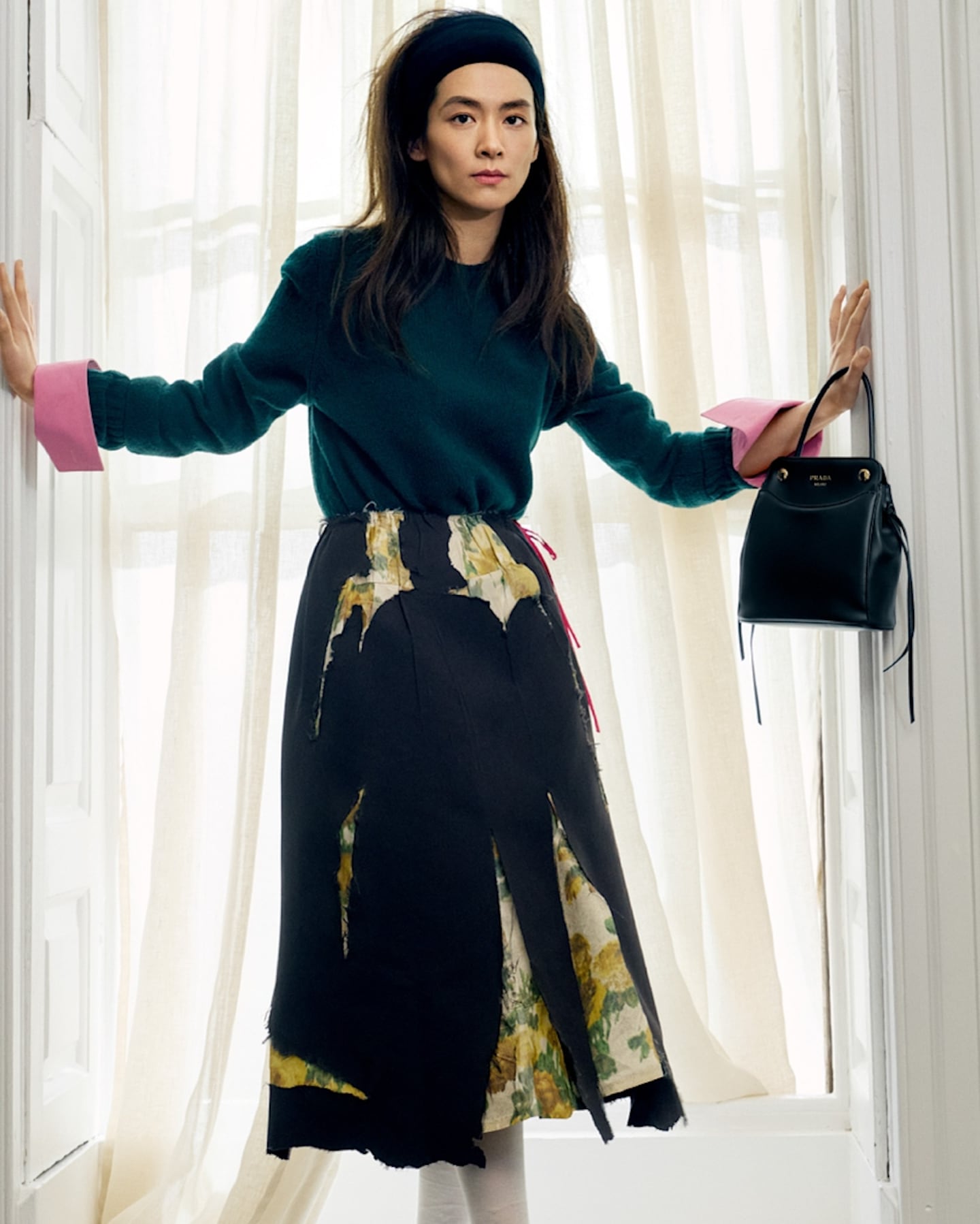
The quiet luxury craze may be well past its peak, but fashion’s latest campaigns are more muted than ever.
From Burberry to Dior to Prada, luxury brands’ autumn 2026 campaigns were rooted in simplicity, weaving their handbags and shoes through relatable daily rituals from the commute to the office to the morning coffee run. Rather than shouting for attention, this year’s ads relied more heavily on each brand’s unmistakable DNA, brought to life through the lens of their creative directors, many of whom joined the houses during last year’s great fashion reset.
“The role of the creative director is different today,” said Ellie Bamford, chief strategy officer of marketing agency VML. “[Before] it was all about the ego, their vision and how they were going to shape it. I don’t think it’s about them as much anymore. It’s about the brand first, creative director second.”
It signals a shift after years of high-decibel marketing gimmicks designed both to attract consumer attention in a challenging luxury market and to connect with shoppers as the unseriousness of TikTok took off in the early 2020s. Breaking away from the self-conscious marketing that tends to dominate luxury, brands leaned into memes and microtrends to stand out and position themselves as digitally literate, ranging from Marc Jacobs teaming up with “trad wife” influencer Nara Smith to create tongue-in-cheek videos of her “making” a bag from scratch to Loewe participating in the viral “is it cake,” trend, slicing into cakes shaped like handbags.
ADVERTISEMENT
But consumer sentiment has shifted. Cities like Milan and Paris are rife with riots over growing living costs, with protesters looting luxury stores like Dior and Louis Vuitton. Chinese consumers — long a reliable group for luxury — remain reluctant to spend amid an ongoing property crisis. Even in the US, consumer sentiment hit an all-time low earlier this year due to the war in Iran.
Brands already started to respond at the beginning of the year, prioritising practicality over frivolity in their collections as consumers seek out true value in the pieces they choose to invest in.
Now, as some creative directors settle in at their new houses — often by reconnecting with the archives and time-tested silhouettes — their marketing teams are looking inward for inspiration, too, doubling down on the elements of their heritage that are most easily recognised by their core customer. Brand consultants say restraint is key — and it’s better to underscore the product and brand universe rather than seeking attention through campaigns that stray from core product.
“They’re emphasising their DNA, but doing it in a relevant way that is not trying to fight over your attention, but rather trying to lure you in,” says Dafna Goor, luxury researcher and marketing professor at London Business School. “What they’re trying to do is say: We are recognisable. If you get us, you will recognise us immediately.”
Rather than trying to “reinvent the wheel every season,” said Bamford, brands are “editing the past,” with the role of creative director largely revolving around curating and reimagining the archives. The goal is to connect the dots between core silhouettes, cultural references that are relevant to the brand and elements of modern life.
Burberry’s Daniel Lee, for example, has prioritised putting the brand’s centrepiece products like outerwear on talent that represents various facets of both contemporary and nostalgic British culture, from rapper Central Cee on the runway to 1990s British supermodel Rosemary Ferguson in its autumn campaign centred on the daily commute. The spot was narrated by Matthew Streeton, one of the famous voices behind the announcements on London transit. It built on the longer heritage-driven story the brand has told in recent seasons, including its “It’s Always Burberry Weather” ads featuring popular British actors like Olivia Colman and Barry Keoghan.
Amid social media algorithms pushing countless products and aesthetics on audiences at once, rather than trying to go after all customers, it’s more effective for brands to be recognisable among their target audience, said Goor.
“People really still do identify a lot with the brands that are right for them,” said Stefanie Gilmore, vice president, head of strategy for brand design agency Design Bridge and Partners. “[Creative directors] are under a lot of pressure to use their lens, but to honour what makes sense for the brand, for the people that know. Otherwise, they’re at risk of losing too many folks, and it’s much harder to get them back.”
ADVERTISEMENT
Chloé’s autumn 2026 imagery, for instance, shows a group of women with pre-Raphaelite curls gallivanting on wildflower-covered hills in romantic, billowy gowns. The imagery is striking in its simplicity, with cerulean, red and green dresses popping against the sky and grass, and leans into the natural, feminine fluidity that “Chloé girls” instantly connect with.
“That distinctiveness is what brings attention,” said Goor.
As brands move away from marketing gimmicks, brands are putting product at the centre of their marketing, giving customers an easier time picturing themselves as part of a brand’s world.
To do so, a number of brands stripped their campaigns down to simple, relatable moments. Balenciaga’s marketing — which formerly ranged from shock tactics like blizzards on the runway to highly controversial campaigns like ads that sexualised children and caused the brand to come under fire — this year showed “Love Story” star Sarah Pidgeon running errands in New York City (which turned out to be on a film set) while carrying some of the brand’s most recognisable styles, such as its Rodeo and Le City handbags. In its autumn 2026 campaign, Dior, too, showed a group of friends wearing the house’s Bar jacket and Cigale bag — two archival silhouettes that have been reimagined by creative director Jonathan Anderson — while in a classic Parisian café.
“These campaigns are shot in much more familiar spaces, they are much more relatable,” said Gilmore. “You’ve been to Paris, you’ve seen those cafés, you’ve seen friends like that.”
Prada’s latest campaign, titled “Simple Stories,” is also stripped back, showing different characters during quiet, intimate moments, such as a therapy session, on the phone or looking in the mirror. The campaign’s caption summarises the short film as representing “the simple, the honest and human, as antidote to the complexity of life.”
The return to this very human imagery follows a year of AI experimentation, which has paradoxically thrown the emphasis back on the roots of brands.
“AI can’t hallucinate a brand’s history,” said Bamford. “There’s some power in that, and so I think it’s a bit of a weapon against this AI-generated sameness that you see everywhere.”
ADVERTISEMENT
To elevate ordinary moments to something luxurious, brands are leaning on the entertainment industry. Rather than relying on short-lived social media fads, labels are tapping prestigious film directors — with Prada working with Oscar award-winning director Barry Jenkins — and of-the-moment actors to bring extra cachet to otherwise regular moments. The result is cinematic storytelling that can stoke viewers’ emotions in just a few frames.
A recent campaign video from Saint Laurent, for instance, seemed simple but caught attention. The spot stars Connor Storrie, known for playing the cool, aloof hockey star Ilya in the TV series “Heated Rivalry,” bopping his head to 1980s music, à la Patrick Swayze. The louche, understated aesthetic of the video helps convey the brand’s sex appeal in a more subtle manner.
“Look at the investment into photographers, directors, artists 10-15 years ago … and what’s happened is social media sort of brought all that down to lo-fi, fast [content],” said Bamford. “And now we’re swinging back.”
Driven by digital fatigue, brands across the pricing spectrum are transforming consumers’ collective memories of simpler times into marketing material. But with so many campaigns leaning into a similar aesthetic, it’s become a race to stand out.
To turn fleeting buzz into lasting customer loyalty, fashion labels are welcoming shoppers into the traditionally exclusive world of runway shows through invites, community events and content that deepens collection narratives.
From Hermès to Loewe, fashion houses are swapping hyper-polished digital graphics for watercolour, paper collages and craft to restore a sense of humanity.

Haley Crawford is Marketing Correspondent at The Business of Fashion. She is based in New York and covers the marketing and public relations industries.
Loading recommended reads…
As fashion brands remain focused on courting younger consumers, BoF’s Sheena Butler-Young and Diana Pearl unpack why the industry may be overlooking one of its most valuable customer groups: the mature shopper.
The Indian brand will hold a special event at the Florence show.
Phu Nhuan Jewelry JSC is moving away from its policy of repurchasing diamonds at nearly full value after a smuggling probe shook confidence in the diamond market.
Attendees of the first ever UK-edition of Sephora’s immersive event have taken to social media to voice their complaints after influencers experienced a more generous preview.