Agenda-setting intelligence, analysis and advice for the global fashion community.
Agenda-setting intelligence, analysis and advice for the global fashion community.

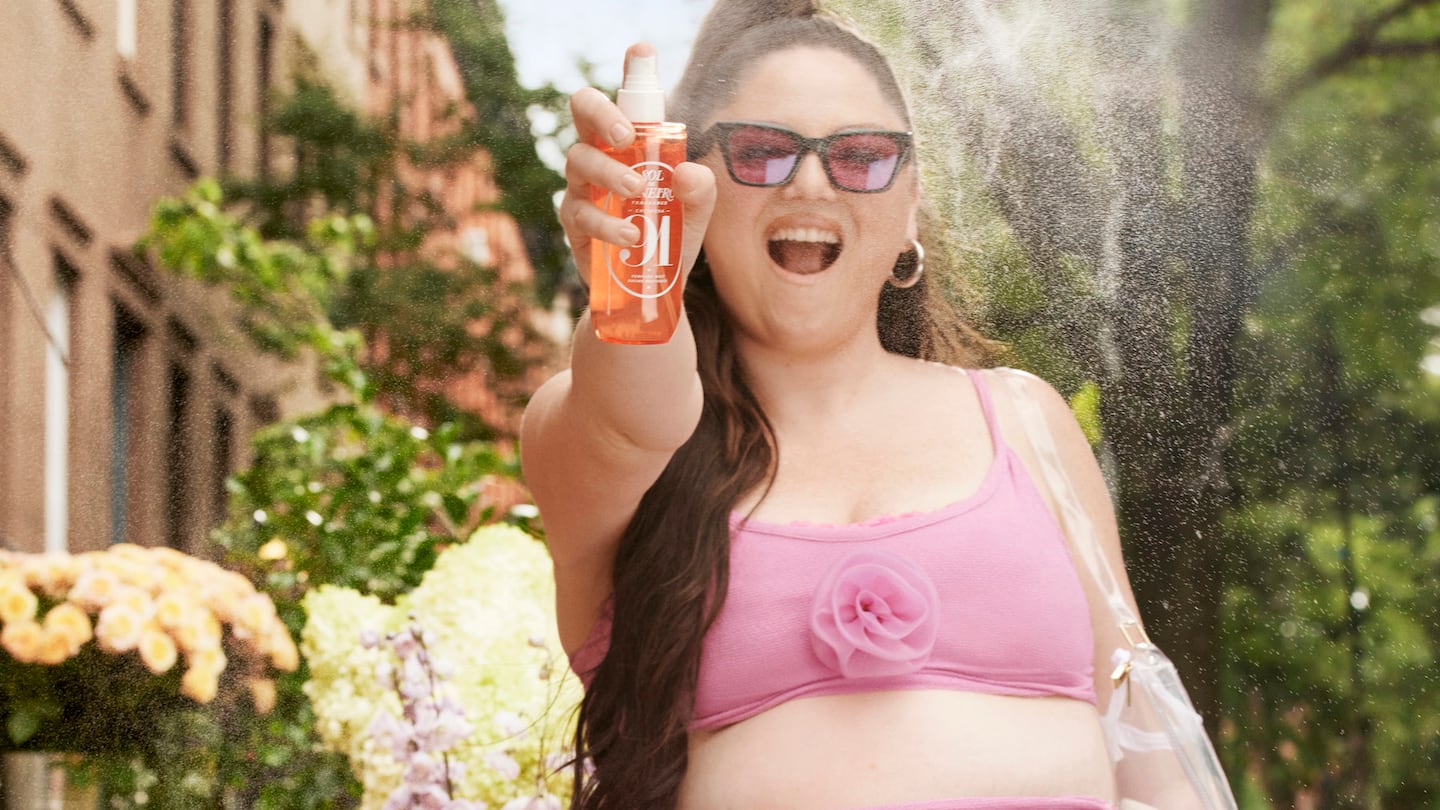
For most of Sol de Janeiro’s 11-year history, it was considered the beauty industry’s crown jewel. Known for its hero Bum Bum Cream and dizzying array of Brazilian-inspired fragrances and body mists, customers, from Gen Alpha to Millennials, were hooked.
Just a year ago, it was Sephora North America’s best-selling brand. Founder Heela Yang told The Business of Beauty that it had become a $2 billion brand in December 2025. Its growth is critical to parent company L’Occitane Group, as it reported Sol de Janeiro alone contributed nearly a third of its overall $3.3 billion (€2.8 billion) take in its last published earnings.
“Any mist that we launch, [customers] want,” Yang told BoF last year.
But data indicate that sales and momentum have since slowed. After expanding distribution to Ulta Beauty in 2024, its Sephora rankings have slipped: it fell from first to third place in fragrance and fourth to seventh in skincare between March 2025 and 2026, according to YipitData. Trend research firm Spate found that searches for Sol de Janeiro related to body spray are down double digits. The brand has since pursued wider distribution as a means to grow, including a partnership with Urban Outfitters in April and travel retail expansion at airports worldwide.
ADVERTISEMENT
Moderation is inevitable for billion-dollar brands — especially ones with prestige positioning — but “as these companies scale past several hundred million dollars, the growth rate slows down because there are only so many more doors,” said Bill Detwiler, co-founder and managing director of investment firm Fernbrook.
Simultaneously, fragrance sales are cooling and the body care aisle now has newer scent-driven entrants like Salt & Stone, Cyklar and Saltair.
Last month, Yang departed, leaving Jordan Saxemard, the brand’s former chief marketing officer as CEO. Now, the brand has reached the moment of non-founder leadership, known to be a pivotal point for acquired startups.
“Sol de Janeiro is well positioned across global markets, and we are confident in the brand’s ability to continue expanding its presence while staying true to what makes it unique,” said a company spokesperson, who added that new product launches are on the way.
Saxemard has several growing pains to address as the brand moves from young disruptor to mature label. The first is fostering long-term customer loyalty as its trend-motivated shopper has more options than ever. The body-care giant also needs to invest in continued product differentiation while optimising existing distribution.
When Sol de Janeiro first entered Sephora in 2016 after launching less than a year prior, there’s no doubt it was a disruptor, first with the success of its scented Bum Bum Cream with skincare ingredients, and later its premium body sprays, a format that had previously been the purview of mono-brand giants like Bath & Body Works and Victoria’s Secret.
“Sephora was a huge part in building the brand,” said Lindsay Ullman, a co-founder at retail consulting firm View from 32, which worked with the body-care label for its Sephora launch. “It was really the definition of ‘in the kitchen,’” she said. Sephora was active in “making thoughtful, strategic decisions to scale the brand from a very low SKU count” to something more impactful. Its subsequent reinvention of the body spray category brought teen and tween customers through the retailer’s doors.
“They were the first ones, in prestige, to make body sprays massive and go narrow and deep with this subcategory,” said Ullman, who said the hype came from a strategy to “make [it] a lifestyle within the world of colours, scents, desire.”
ADVERTISEMENT
But even with leading status at Sephora, there is pressure to open up wider distribution to grow. After seven years, Sol de Janeiro launched at Ulta Beauty, where it is the number-one ranked fragrance brand, according to YipitData. (YipitData reported that overall US retailer sales were down 14 percent last year.) While Sol de Janeiro is perhaps one of the best examples of the ways in which an exclusive partnership can build a brand, branching out to other retailers has meant trade-offs, as experts say retailers tend to devote attention and marketing dollars to newer, exclusive labels. Sol de Janeiro’s Ulta Beauty entry coincided with a sales growth deceleration.
“There is a ceiling on how big you can be in a single retailer,” said Jeff Lindquist, a managing director and partner at Boston Consulting Group. “You typically do have to open up another avenue of growth, and in doing so, you have to think about how to do that in a thoughtful way.”
Simultaneously, the category that made Sol de Janeiro a must-have brand — affordable fragrance — is crowding fast. Between 2019 and 2026, Sephora has more than tripled its body mist selection. Touchland’s body mist, like Sol de Janeiro’s, has become a new Gen Alpha status symbol, and countless brands — including repeat offender Mco Beauty — have brought their own dupes to market.
“Body spray and broader fragrance has become intensely competitive over the past few years,” said Lindquist. “The challenge that any incumbent leader would have is that the consumer’s attention is being competed for by so many brands.”
The risk of dupes is especially high given the notoriously fickle buying habits of young consumers. Now over a decade old, the brand has succeeded with finding fan bases among Gen Z, and more recently, tweens.
But the Gen Alpha-driven sales rollercoaster Drunk Elephant has been on is a cautionary tale for the industry. However: Sol de Janeiro remains the second most popular fragrance brand among teens, according to Piper Sandler’s fall 2025 teen survey; its new entry to Urban Outfitters shows that it’s still active in pursuing a younger clientele.
Brands founded in the mid-2010s, like Glossier or Milk Makeup, face a dilemma in how much to invest in reaching younger generations while remaining true to their original customer demographic, Millennials. Engaging the next generation requires staying relevant to their unique tastes, but sticking with a specific age group for over a decade means a brand must grow up with them.
The label’s recent refocus on body care, a priority for Yang, was staked on appealing to Gen X and Millennials with anti-ageing body-care ingredients. But ongoing product innovation in the segment will be crucial to keep their interest, along with more sophisticated scents.
ADVERTISEMENT
There are reasons to be optimistic: the brand originally caught on thanks to its Bum Bum Cream, which featured a tropical scent and cellulite-smoothing claims. Its latest Body Badalada lotion pairs the brand’s signature tropical scents with skincare ingredients like hyaluronic acid.
“To continue to grow, you have to constantly innovate; you have to have a hero SKU creation engine, where you’re able to just get out new franchises and have them stick, and get that productivity that you had with the franchises of the past,” said Lindquist. “It’s a hard thing to do.”
Sign up to The Business of Beauty newsletter, your complimentary, must-read source for the day’s most important beauty and wellness news and analysis.
The L’Occitane-owned body care label has announced a new chief executive and the departure of its founder.
Viral fragrance mists helped the body care brand top $2 billion in sales. Now, founder and chief executive Heela Yang speaks exclusively to The Business of Beauty about its next frontier.
From body cream to fragrance, L’Occitane’s crown jewel has lured TikTokers, tweens and shareholders alike. Now, at the height of its popularity, the latter thinks the buzzy beauty brand deserves its own public listing.

Liz Flora is a Beauty Correspondent at Business of Fashion. She is based in Los Angeles and covers beauty and wellness.
Loading recommended reads…
Sales of gems, precious metals and artwork at Japan’s department stores climbed 19 percent in the first half of 2026 from a year earlier to $2 billion.
Though Adidas dressed both teams in the World Cup finals, the global football tournament still presented some bright spots for Nike, writes Bloomberg’s Andrea Felsted.
From our archive, the creator and host of award-winning podcast “Articles of Interest” joins BoF founder, CEO and editor-in-chief Imran Amed to explore what clothing can reveal about identity, culture, labour and the world around us.
Saunders, the brand’s first creative director in five years and a skilled colourist, promises to give Kate Spade the clarity it has long lacked. Now, Tapestry must apply the same long-term brand-building discipline that fueled Coach’s success.