Agenda-setting intelligence, analysis and advice for the global fashion community.
Agenda-setting intelligence, analysis and advice for the global fashion community.

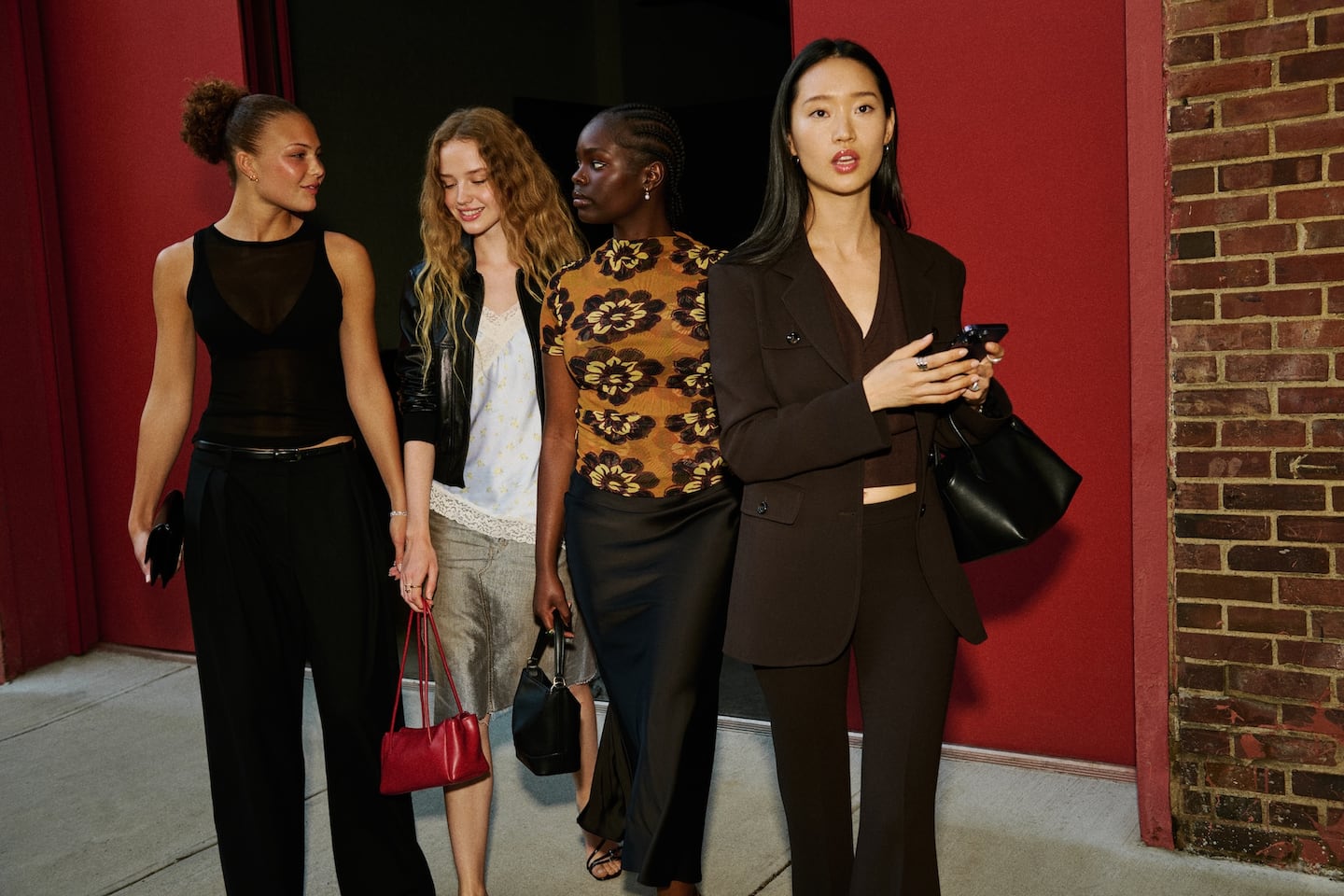
In a way, the Gen-Z skincare brand Beecee looks like something you’ve seen before. Its social media feed brings to mind a girl-power romantic comedy from the 2000s. Long-haired, healthy-looking women frolic on coastal bluffs, power down New York City sidewalks, and arrange photos of other long-haired, healthy-looking women on moodboards.
That’s intentional, said founder Gregg Renfrew. Beecee has been in stealth mode since 2024, but the serial entrepreneur is now revealing her venture exclusively to The Business of Beauty, as she looks to reach a new customer.
Beecee, which launches Sept. 1 with under-$30 skincare products like the Superfine Hydrating Mist and Everything Balm, is the latest beauty brand from Renfrew, who founded the pioneering label Beautycounter in 2011. After selling to private equity firm Carlyle in 2021 for $1 billion and departing a year later, the business faltered. Renfrew was reinstated as CEO in February 2024, but had to buy the business out of foreclosure in April of that year.
“When you take old-school tactics into an industry disruptor and just assume that that playbook is going to work, it doesn’t work,” said Renfrew. In June 2025, she launched Counter with a similar product line-up and ethos, but a more traditional direct-to-consumer model.
ADVERTISEMENT

There are other similarities between Beecee and Beautycounter. Both have strong peer-to-peer elements: Renfrew said the brand is refining how the compensation structure will work, and there will be an affiliate-style commission. Both are “clean” brands, with Beecee banning the same 3,300 ingredients as Counter. And both are big on community; during its pre-launch period, more than 10,000 women signed up via email, social media or joined Beecee’s WhatsApp group chat.
Renfrew wants the brand to create space for young women to learn about business, entrepreneurship and financial independence through events and content. She also believes that young customers do not have enough “clean” products that also meet their stylistic and functional preferences.
Beecee has a lot that young shoppers will like, like its multi-use products and pared-back aesthetics. But these customers are already spoiled for choice, flighty in their taste and expensive to reach online — and Renfrew is adamant that the line does not belong in the likes of Sephora, Target or Ulta Beauty. She is its founder and chief executive, but Kari Skitka, who oversaw revenue for the hair care Briogeo, is the line’s president; it has a small group of other Gen-Z employees or consultants, including Renfrew’s 20-year-old daughter, Phebe.
In order to succeed, the brand will need to transform its community into engaged customers who want to purchase, re-purchase, and ideally, convince their friends to purchase too. Eve Lee, founder of trends agency Fairy Inc said the brand’s commitment to a shortened ingredients list has commercial power, but the products need to be exceptional to cut through what she called “brand fluff”. “If the products can stand alone without any discourse, that’s a very valuable form of marketing,” said Lee.
That means taking Renfrew’s proven nous with galvanising women, and reinforcing it for a new, more digital age, and taking on both popular doctor-backed and celebrity-fronted brands.
“[Through Counter and Beautycounter] I’ve shipped over 60 million products into the market… I understand how to create great products,” said Renfrew. “But I think the younger women are going to make them really covetable.”
Courting Gen-Z has been on Renfrew’s mind for some time.
She said that as far back as 2017, she was mulling how to create something that would be more appealing to younger customers than Beautycounter’s core demographic of women over 35. While starting a new brand is no small feat, it’s easier than the Beautycounter line trying to be “all things to all people,” she said.
ADVERTISEMENT
Those goals were put on hold by the demise of Beautycounter after its sale. The brand began wider retail distribution in Ulta Beauty and changed its commission structure, which disincentivised its advocates; when their number dropped, its revenues slumped. The changes made to its structure and operations were “too much, too quickly,” said Renfrew. Salespeople who had worked for Beautycounter previously told BoF that the revised commissioned structure and the line’s wider availability in retail made it harder — and less appealing — for them to continue selling to their communities. The brand’s core proposition around “clean” beauty was also less of a unique selling point, as the likes of Goop, Saie and Ilia were added to the prestige beauty market.
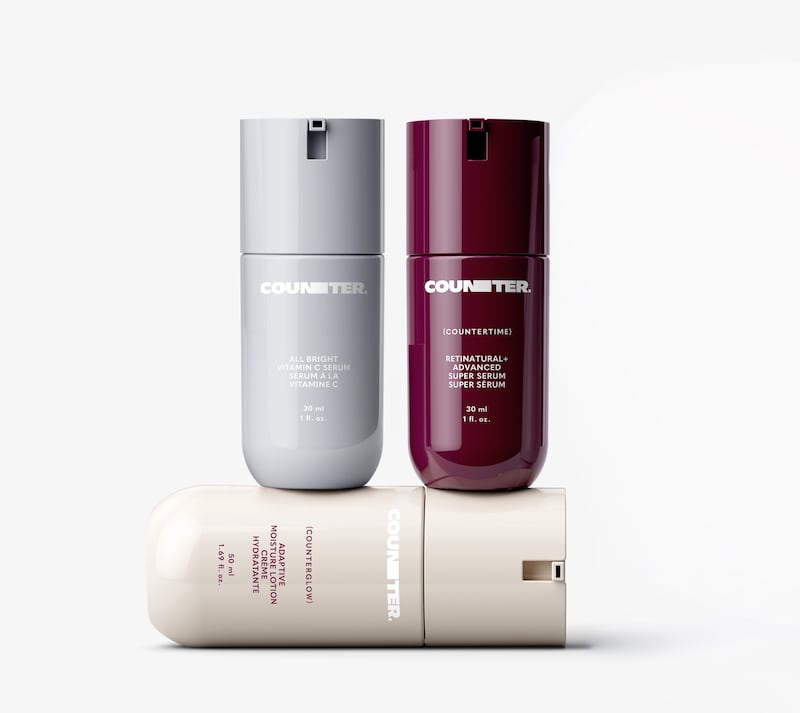
Renfrew bought the line out of foreclosure primarily with her own funds under her company G2G Ventures, supported by angel investors and two “very small” investments from Greycroft, the venture capital firm that counts the Merit founder Katherine Power as a partner, and Mousse Partners, the family office of the Chanel owners, the Wertheimers.
Beautycounter was known for its activism. Renfrew testified in front of Congress about ingredient safety; top sellers accompanied her to meet politicians in DC. But things became too corporate at Beautycounter after her departure, she said. She chose to give the company a new name to turn over a new leaf.
“Our [salespeople] wanted to be part of a movement… what it became didn’t work for the customer we served,” she said.
Beecee has already galvanised broad interest. According to the brand, its community has attracted thousands of members across all 50 states, simply by vague-posting on social media and enticing scrollers to follow and join its WhatsApp group if they want to learn more.
At a pre-launch event in a trendy downtown New York restaurant, two community members told The Business of Beauty they had stumbled across the brand when it had less than 100 followers while scrolling TikTok. Both Tae and Urja said they became interested in “clean” beauty after dealing with sensitive skin issues. “The Rhode lip gloss made my lips burn,” said Urja, a twentysomething attendee, adding that she also likes the makeup brands Merit and Live Tinted.
Renfrew believes that Gen-Z shoppers are looking for simplicity, and multi-purpose products. The “Everything Balm” is an elevated Aquaphor — of course, with a more exclusive ingredients list — designed for use on cuticles, elbows, brows and more.
But the brand’s key point of difference is a different kind of offering. Renfrew wants to use a direct-to-consumer model to build and own the relationship with its customers, betting that the mission-driven nature of “clean” formulas, paired with mentorship, content and access around business will inspire customers.
ADVERTISEMENT
“We’re giving young women the opportunity to serve their friends or communities, maybe through their content or an affiliate link,” she said, adding that the women it partners with will not need to be top influencers. “Maybe they have influence in their respective friend groups, schools, offices or communities,” she said. After her brush with private equity, Renfrew is unsure about a future exit for the new lines, saying that she has been cautious about the capital she accepted this time around for fear of not having control of her business again.
While Gen-X and Millennial women command robust spending power, without a youth-focussed offering, the next generation of customers are not secured. Beecee goes up against the likes of Rhode, The Ordinary and Cerave, which offer younger consumers trendier products and cost-effective formulas. Lee said that “clean” beauty is generally read as transparency, which is compelling for young shoppers, but that it can’t be an entire strategy. “There’s too many other things to compete with to get [customer] attention,” said Lee.
Renfrew is betting that combination of message and movement will help the brand stand out. The energy at its community event was certainly infectious.
“There’s never going to be a moment when the market’s not saturated, so the question is, How do you find a white space within a saturated market?” she said. “People want to find influence in ways that are not associated with follower count or number of likes… they want [something] wholesome and fun.”
Sign up to The Business of Beauty newsletter, your complimentary, must-read source for the day’s most important beauty and wellness news and analysis.
Back under the ownership of founder Gregg Renfrew, the beauty label will relaunch on June 25 as Counter, keeping its clean formulations and giving up its MLM-style compensation model in favor of “community commerce.” Renfrew talks exclusively to The Business of Beauty about her vision for the new brand.
The founder, who was ousted and recently came back to the line as CEO, will regain control of the company.
The deal, which sees Carlyle Group take a majority stake in the clean beauty brand and value it at $1 billion, sets Beautycounter up for future growth.

Daniela Morosini is Senior Beauty Correspondent and Special Projects Editor at The Business of Beauty at BoF. She covers the global beauty industry, with an interest in how companies go to market and overcome hurdles.
Loading recommended reads…
Sales of gems, precious metals and artwork at Japan’s department stores climbed 19 percent in the first half of 2026 from a year earlier to $2 billion.
Though Adidas dressed both teams in the World Cup finals, the global football tournament still presented some bright spots for Nike, writes Bloomberg’s Andrea Felsted.
From our archive, the creator and host of award-winning podcast “Articles of Interest” joins BoF founder, CEO and editor-in-chief Imran Amed to explore what clothing can reveal about identity, culture, labour and the world around us.
Saunders, the brand’s first creative director in five years and a skilled colourist, promises to give Kate Spade the clarity it has long lacked. Now, Tapestry must apply the same long-term brand-building discipline that fueled Coach’s success.