Agenda-setting intelligence, analysis and advice for the global fashion community.
Agenda-setting intelligence, analysis and advice for the global fashion community.


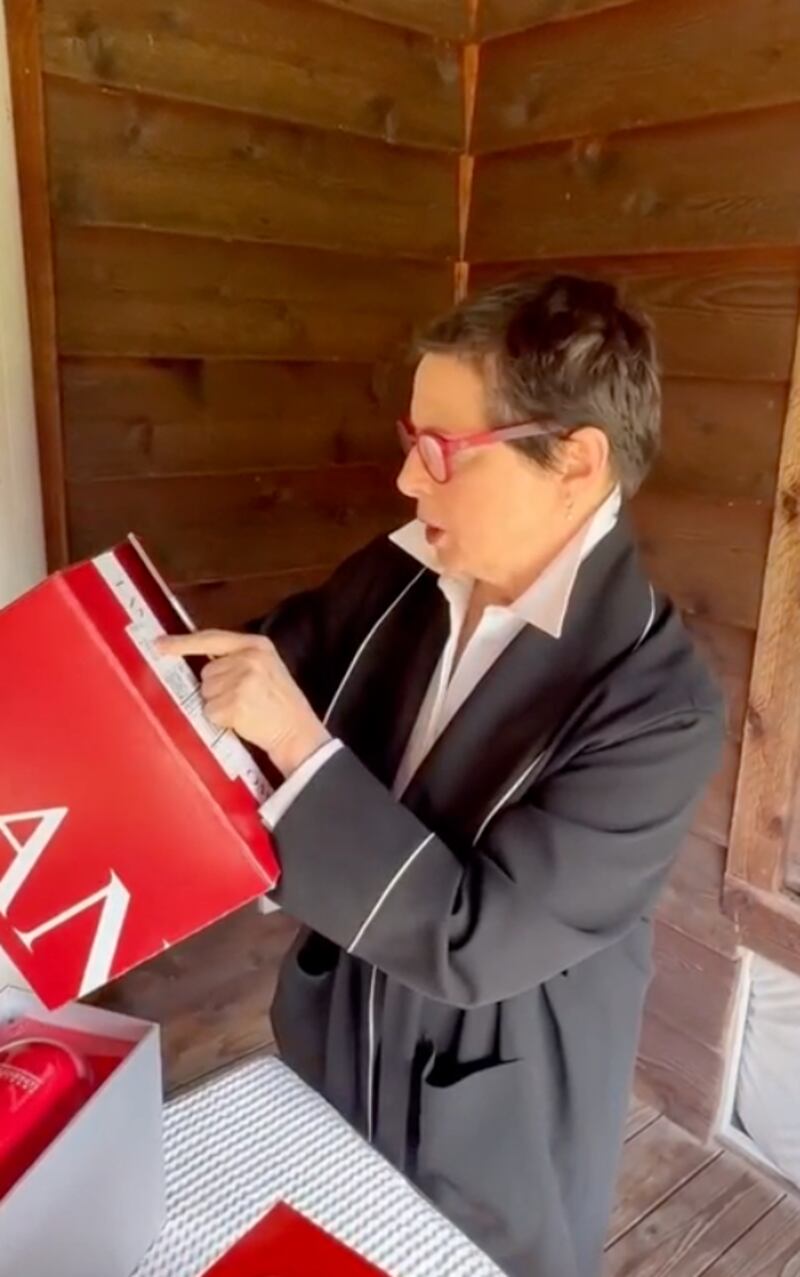
With a smile to the camera, the actress Isabella Rossellini received her Lancôme PR package with delight. Her unboxing video, at first, seemed fairly standard — a glossy red gift box, a glamorous recipient — until the actress paused. “The box was sent to…Demi Moore,” Rossellini gasped. “I’m not going to send it to her, I’m going to keep it!”
The video was part of a broader “gotcha” moment from the L’Oréal-owned brand, in which ambassadors and influencers alike were intentionally sent misdirected gifting mailers. “Some reactions were intentional, like Rossellini,” said Ramzy Burns, general manager of Lancôme US. (Rossellini has been a face of the brand for decades, and Moore is one of his newest.) “Then you had many influencers who were confused because they were like: Why did I get this box?”
Across the beauty industry, brands are experimenting with the marketing “bait-and-switch.” In recent weeks Colourpop, Dieux and Sephora have dabbled in manufactured controversy, issuing fake apology posts or announcing joke rebrands to drum up engagement beyond April Fools Day.
These spoofs are fast becoming a calculated marketing lever used to capture attention in a marketing landscape that has ceased to reward predictability but always awards controversy. But they also point to a new reality on platforms like Instagram, where shifting algorithms and content oversaturation make it harder than ever to push through.
ADVERTISEMENT
“It’s basically 2026 guerilla marketing,” said Katie Martin, executive vice-president and managing director of agency Front Row Group. “The Internet thrives off drama and shock, and here’s a new way to do that.”
A bait-and-switch strategy, in which drama is substituted for marketing, requires a delicate balance of timing and tone; brands want followers and fans to be surprised and delighted, not actually outraged.
But beneath the theatrics lies a deeper shift, not just in the way that brands communicate, but the metrics that define success. While a stunt may drive attention it must be driving customers to buy from or engage with the brand in order to have value.
“We used to try to go after how many views we could get,” said Burns. “Now it’s more like, how engaged are we? Who is telling their friends?”
In today’s saturated social environment, there’s one reliable way to stop the scroll: A text-heavy graphic that begins with an apology, usually signalling some kind of response to a PR disaster. In March, Colourpop reformulated its Blush Stix and posted them to Instagram, where the post was met with middling engagement. The brand, pretending to remove the post, followed it up days later with a carousel of images: “Addressing that deleted post…”
“We made the difficult decision to take this down because … When a brand makes an ominous text post like this, they tend to get more attention,” read the post.
The rise of bait-and-switch marketing reflects a simple reality: traditional engagement signals have lost their meaning. Comments are increasingly plagued by bots, and follower counts are no longer the status symbol they once were. “Today, followers aren’t a metric or key performance indicator that we really track anymore,” said Michelle Song, senior director of social media and content at Colourpop.
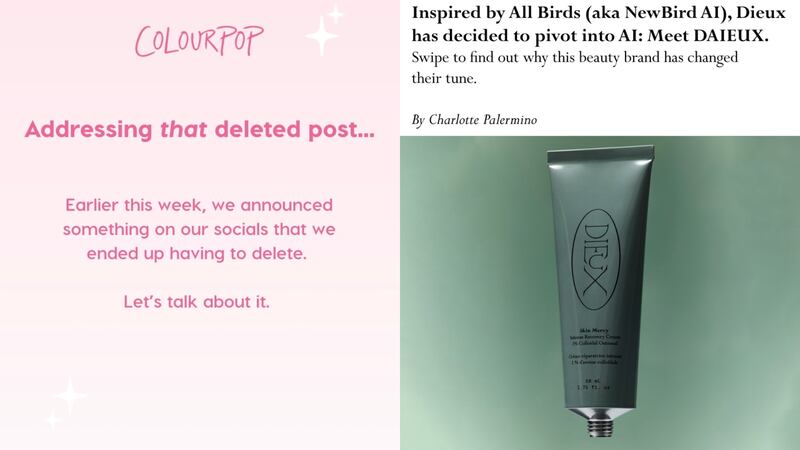
Instead, brands are chasing harder-to-game indicators of attention. “What’s really driving engagement right now are shares and saves. Saves are an indication of quality,” said Charlotte Palermino, co-founder and chief executive of Dieux. Taking action — such as storing a post for later, or sending for a friend — also triggers the algorithm, added Palermino. In April, Palermino trolled Dieux’s followers with a post announcing the brand’s AI shift, following the high-profile pivot of the company Allbirds from footwear to artificial intelligence, which linked to Dieux’s Substack.
ADVERTISEMENT
These moments may be flash-in-the-pan, but they can lead to more than just an engagement spike. According to Song, the Colourpop post prompted a halo effect on the brand’s original launch post for the product, as users went back to interact and learn more about the reformulation.
Bait-and-switch marketing can delight, but its element of surprise is harder to calibrate. The same tactics that generate attention can also erode trust if audiences feel manipulated, misled or don’t get the joke.
“You’ve got people’s attention,” said Martin. “But did you leave them happy and feeling great about the brand? It’s not that easy to tell.”
This kind of marketing can usually only be attempted once, and only really works if no other brands have done it before. Spoofing an apology, for example, can undermine a brand’s credibility should a real crisis emerge. “You never know when you might really need to apologise,” said Martin. “Will anyone take you seriously?”
A truly successful bait-and-switch relies on brand alignment. Dieux’s post could only be pulled off by a founder like Palermino who has built her brand with frank honesty about behind-the-scenes issues. For Palermino, the post was more cultural commentary than a gimmick: once users swiped, they were directed to a nuanced op-ed by the writer Ama Kwarteng about the rise of AI influencers in beauty.
Colourpop’s fake apology was carefully calibrated to fit the brand’s tone of voice. “We’re not taking ourselves so seriously,” said Song, who also added that the post was a relatively light lift for the brand to produce. At the same time, the brand was mindful of the limits. “We’re also making sure that we’re not rage-baiting them to the point where they’re like: ‘This is a fake product.’ Why would you do that?”
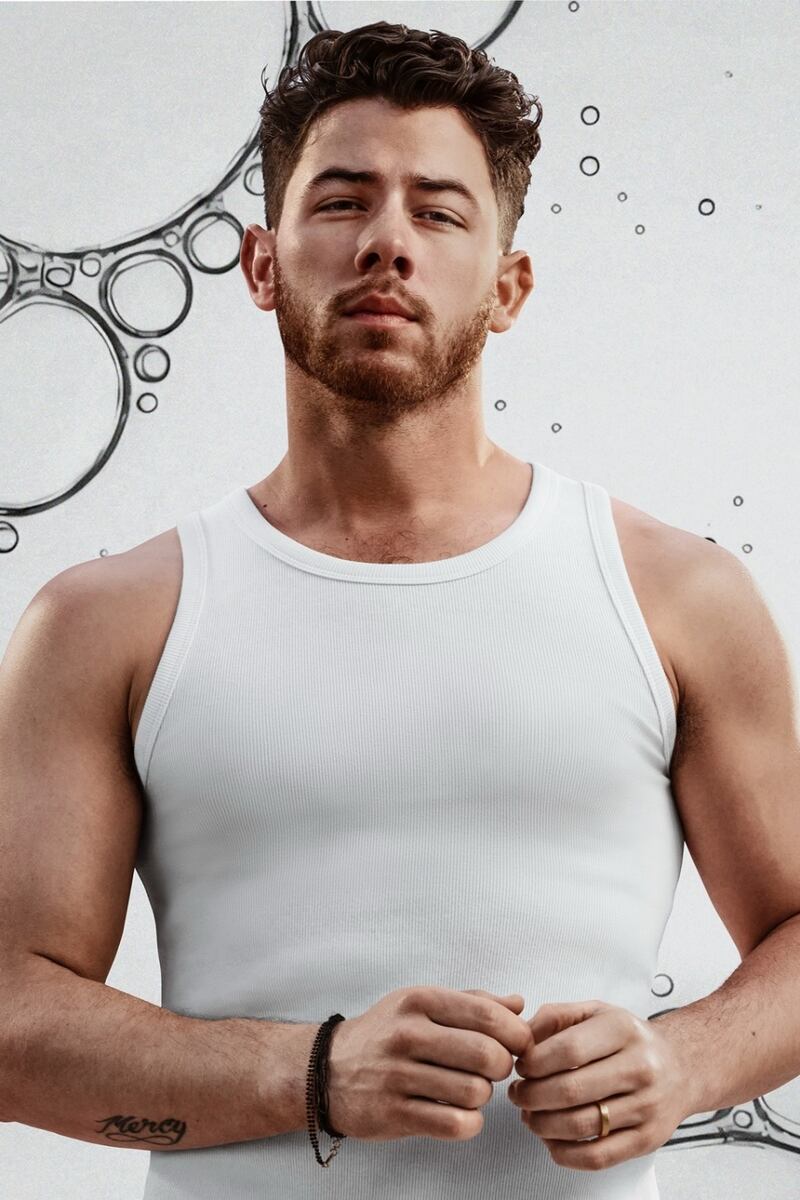
Grooming brand Schick recently fell victim to this snafu, sharing a campaign with new ambassador Nick Jonas that suggested the actor and musician was launching his own skincare brand — leaving some disappointed and many more confused.
For Lancôme, the misdirected mailers tied into a broader moment including a “The Devil Wears Prada 2” sponsorship, the announcement of new ambassadors Zoë Saldaña and Moore and the unveiling of the Absolue Longevity MD skincare collection, Lancôme’s biggest launch to date, according to the brand.
ADVERTISEMENT
“You have this very serious science, but we wanted to do it in a way that was engaging,” said Burns. “The fun element is crucial — they would actually try the product, open the packages.”
Sign up to The Business of Beauty newsletter, your complimentary, must-read source for the day’s most important beauty and wellness news and analysis.
The Ordinary’s latest campaign brought reasonably-priced eggs to two of its New York City locations. The response was polarising on social media, which in an online marketplace saturated with brands and advertising, is increasingly the point.
Brands are turning launches into months-long narratives, building waitlists and dropping hints for consumers to decode ahead of time. But the strategy only works if they know when to stop teasing and start delivering.
As growth marketing becomes even more expensive in a crowded market, beauty leaders must rebuild their creative marketing muscle and make bold choices, finds The State of Fashion: Beauty Volume 2.

Rachael Griffiths is a Senior Editorial Associate at The Business of Beauty. She is based between St Helens and London, and covers beauty, wellness and industry news.
Loading recommended reads…
Influencer marketing represents a nearly $44 billion dollar industry that’s set to surpass traditional media, but a stigma around its personalities and economics still persists. Should it?
This week’s LVMH and Kering results suggest a fragile recovery is underway in the face of sluggish Chinese demand, succession drama, wildfires and heat waves.
The Permira-backed womenswear retailer and some of its shareholders had raised $211 million in its IPO on Wednesday, with shares opening at $15 apiece.
The Spanish beauty company reported first-half revenue growth on strong demand for makeup from Charlotte Tilbury.