Nvidia Shares Slide as CEO Jensen Huang Resigns
Jensen Huang’s exit deepens the crisis at the chipmaker at the centre of the AI rally that’s powered new wealth creation in the US, luxury fashion’s most important market.


The New Jersey-based start-up is bringing the awesome potential of synthetic biology to the fashion industry, unlocking powerful business, creative and public relations benefits.

This week, how Apple is reframing the retail experience, while Amazon launches runway-to-doorstep deliveries at London Fashion Week.

Stefan Olander, Nike’s vice president of digital, tells BoF how the jersey will bring basketball fans closer to the game.

This week, Amazon's logistics are winning the e-commerce war in India, and how Rebecca Minkoff uses tech to drive growth.

This week, Levi's launches chatbot stylist on Facebook Messenger, and can Fitbit's Ionic smartwatch save the company?

From Rent the Runway to Refinery 29, BoF separates the break-outs from the flameouts.
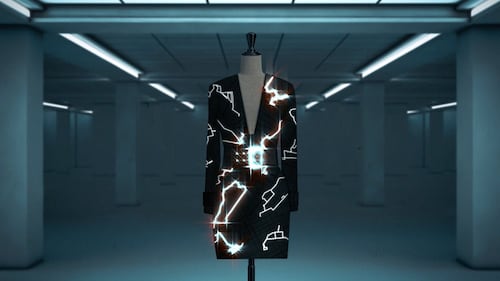
Fashion companies that don't embrace technology are sitting ducks just waiting to be picked off by sharp-shooting software companies, argues Marc C. Close.
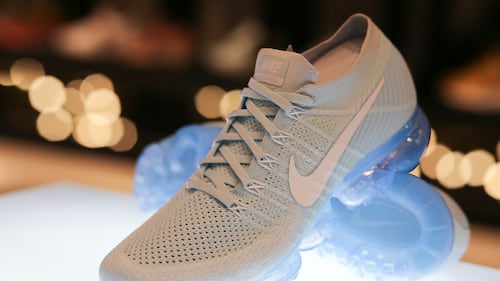
Grabit, a robotics startup, makes machines that can work at 20 times the pace of humans.

Blockchain could be used to make every SKU produced by every brand accessible to any retailer, editor or consumer, feeding new digital tools that would massively democratise the curation of fashion, argues Charles Beckwith.

This week, Amazon develops designs via AI algorithms, and how fashion brands use RFID tags to battle counterfeits.

China's second-largest retailer aims to boost its profile in Southeast Asia, as Thailand's $900 million e-commerce market is set to grow 29 percent in 10 years.

This week, how Amazon's private label brands are fuelling its business, while brands cranking out new Android Wear devices are as far from typical electronics companies as one can get.
Jensen Huang’s exit deepens the crisis at the chipmaker at the centre of the AI rally that’s powered new wealth creation in the US, luxury fashion’s most important market.
A growing Dutch outcry over the glasses mirrors a broader backlash against smart glasses equipped with cameras.
Smart glasses have become a target of criticism in recent months amid growing concerns they can be used to record people without their consent.
The e-commerce giant prohibits other companies from deploying automated tools to shop its site and started blocking Meta’s Muse on Sunday night.
The smart ring maker plans to market 50 million shares for $40 to $44 each, according to filings, which could value the company as high as $14.1 billion.
Shares in the eyewear giant, one of Europe's best-rated blue chips, have dropped 55 percent since November, while concerns are mounting over slowing growth and privacy issues for its AI glasses with Meta.
The UK company's new device uses artificial intelligence and a built-in camera to give real-time feedback on oral hygiene.
The Swiss watchmaker initially sought about $170 million from the Korean technology giant for failing to prevent apps that mimicked its luxury brands on its smartwatch displays.