Circulose Appoints Interim CEO as Textile Recycling Plant Restarts
Chief financial officer Amanda Geijer will take over from Jonatan Janmark as the Swedish textile recycler resumes commercial-scale production.

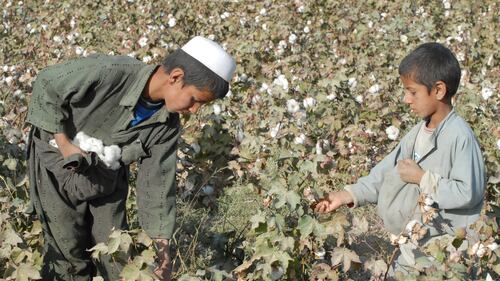
A new report has found that progress on child labour in major manufacturing countries has stalled, with production of raw materials a particular risk for fashion companies.

The rise of the Greens, the effect of a young Swedish climate activist and the entry of French President Emmanuel Macron's party into the European Parliament are likely to result in a more climate-oriented EU trade policy.

LVMH won't be participating in a new climate initiative spearheaded by rival Kering — the latest example of the challenge the industry faces in setting common goals to tackle major systemic issues.
Emmanuel Macron has called upon Chief Executive François-Henri Pinault to unify the sector.
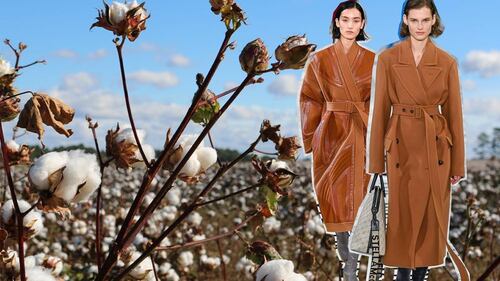
The tech giant and eco-luxury brand plan to track the environmental impact of cotton and viscose, two of the most commonly used fibres in clothing. Their goal: create a tool that can quantify even the most obscure links in the fashion supply chain

Sustainable operating practices can generate sustainable profit, but the upfront investment required is a barrier to progress. As fashion insiders descend on Copenhagen for the industry’s annual sustainability gathering, BoF investigates.

Emanuel Chirico spoke exclusively to BoF as the Tommy Hilfiger and Calvin Klein owner outlined a suite of ambitious new social and environmental targets.

This week, everyone will be talking about the fight for control of EssilorLuxottica, the apparel industry's sustainability mission at the Copenhagen Fashion Summit and the latest technologies on display at VivaTech. Read our BoF Professional Cheat Sheet.

The latest report from the Global Fashion Agenda finds efforts to improve fashion’s social and environmental footprint aren’t keeping pace with the industry’s rapid growth.

As volumes of plastic-based waste reach a tipping point in oceans and trash heaps around the world Aquafil recycles the material and turning it into nylon used to make upscale apparel and accessories.

Big brands have talked for decades about their commitment to workers’ rights, but millions of people who make our clothes still don’t earn enough to live off. BoF walks you through how the industry needs to change to come up with a solution.

Six years after Rana Plaza, Fashion Revolution’s annual transparency index shows the industry largely remains a black box.
Chief financial officer Amanda Geijer will take over from Jonatan Janmark as the Swedish textile recycler resumes commercial-scale production.
A new analysis of eight widely used cosmetics ingredients by Verisk Maplecroft found widespread exposure to child and forced labour risks, with palm oil, cocoa and shea nuts among the most problematic commodities.
Global environmental non-profit The Nature Conservancy has launched a new industry coalition to help apparel companies tackle microfibre pollution across their supply chains.
The new initiative will explore how the industry can take responsibility for the millions of used and unsold garments exported to secondhand markets around the world.
Planet-warming emissions associated with the raw materials used to make fashion, footwear and home textiles have risen 30 percent since 2019, according to a new report.
Investments to reduce heat stress for garment factory workers can pay for themselves within four years, a new report from Cornell University's Global Labor Institute finds.
Greenhouse gas emissions rose in 2023 and 2024, due in part to increased global production of fibre, especially polyester, according to a new report by the Apparel Impact Institute.
Lululemon and apparel manufacturer MAS Holdings are among the investors backing the French startup as it scales a proprietary process for recycling nylon from mixed-textile waste.