Circulose Appoints Interim CEO as Textile Recycling Plant Restarts
Chief financial officer Amanda Geijer will take over from Jonatan Janmark as the Swedish textile recycler resumes commercial-scale production.


Brands are amping up sustainability initiatives in response to demand from Millennial and Gen Z consumers, but can fashion's current model of conspicuous consumption ever be considered sustainable?
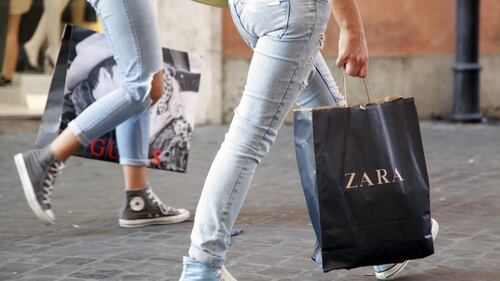
The opaque fast-fashion giant allows BoF inside the business as it sets new sustainability targets and adjusts to a leadership change at parent company Inditex.

Speaking in conversation with Imran Amed, the man behind the fashion world's buzziest ethical footwear brand discusses the company's journey, from sourcing rubber in Brazil to scaling for global demand.

Organisers of the demonstrations, which have included a blockade of Amazon's Paris head office, said the aim was not to have the e-commerce giant shut down in France but to cancel its plans for expansion in 2020.

Once the domain of thrifty fashion students, some of the industry's hottest designers and biggest brands are incorporating leftover fabric, unsold clothes and vintage textiles into their clothes.

The British luxury house announced plans last year to end the practice of destroying unsold items after shareholders objected to the disposal of millions of pounds worth of goods.
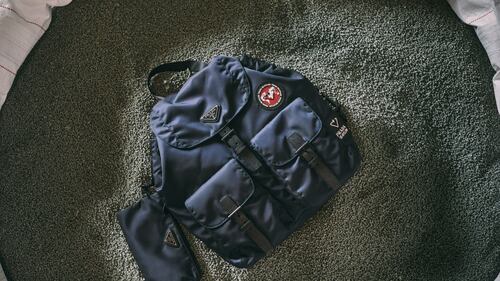
The Italian luxury group is launching a range of its nylon bags using recycled material, joining a spate of brands that have introduced similar initiatives.

The UK government said it would not adopt recommendations on tougher environmental and social oversight for the fashion industry, which were put forward in a parliamentary report.

The luxury giant has invested in green chemistry start up Evolved by Nature, reflecting a broader strategy of investing in clean technology.

The luxury giant is an industry leader in efforts to operate in a more environmentally-responsible manner, but still plays a balancing act between business growth and sustainability.

The fashion industry is struggling to understand the scale of its environmental challenges and how to solve them. It starts with education.

Brothers Byron and Dexter Peart, who in 2017 exited the leather goods label they founded 10 years earlier, are launching a UN-backed online shop selling sustainable goods.
Chief financial officer Amanda Geijer will take over from Jonatan Janmark as the Swedish textile recycler resumes commercial-scale production.
A new analysis of eight widely used cosmetics ingredients by Verisk Maplecroft found widespread exposure to child and forced labour risks, with palm oil, cocoa and shea nuts among the most problematic commodities.
Global environmental non-profit The Nature Conservancy has launched a new industry coalition to help apparel companies tackle microfibre pollution across their supply chains.
The new initiative will explore how the industry can take responsibility for the millions of used and unsold garments exported to secondhand markets around the world.
Planet-warming emissions associated with the raw materials used to make fashion, footwear and home textiles have risen 30 percent since 2019, according to a new report.
Investments to reduce heat stress for garment factory workers can pay for themselves within four years, a new report from Cornell University's Global Labor Institute finds.
Greenhouse gas emissions rose in 2023 and 2024, due in part to increased global production of fibre, especially polyester, according to a new report by the Apparel Impact Institute.
Lululemon and apparel manufacturer MAS Holdings are among the investors backing the French startup as it scales a proprietary process for recycling nylon from mixed-textile waste.