Circulose Appoints Interim CEO as Textile Recycling Plant Restarts
Chief financial officer Amanda Geijer will take over from Jonatan Janmark as the Swedish textile recycler resumes commercial-scale production.


They’re ubiquitous and most are discarded after a single use. Now, hangers in a host of materials are being touted as alternatives to the billions of plastic ones thrown away each year.

Hayden Wood’s fast-growing start-up uses technology to help consumers lower their bills and be more energy efficient.

How can companies incite widespread environmental? change? Build a quality, scalable product, argues Bolt Threads Founder Dan Widmaier on stage at BoF VOICES.
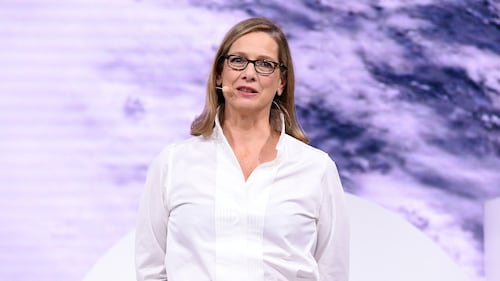
Veteran fashion journalist Dana Thomas took to the BoF VOICES stage to spotlight female leaders fighting against the climate crisis and lack of labour rights.
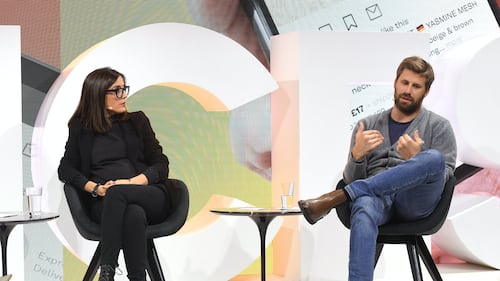
According to GlobalData, the resale market will exceed $50 billion in 2023 — up from $24 billion last year. Max Bittner, CEO of the Paris-based reseller Vestiaire Collective, joins peer-to-peer platform Depop’s CEO Maria Raga in a discussion about the burgeoning resale economy moderated by BoF’s Sarah Kent.

On stage at BoF VOICES, the fashion photographer called on industry leaders to stop working with fur, feathers and exotic skins.

Extinction Rebellion and the lead plaintiff in a group lawsuit against the US government kicked off the BoF VOICES conference with a deep dive on combating indifference to climate change.

The Ganni mastermind discusses how his tech background fueled his approach to turning the virtually unknown Danish womenswear brand into a global trendsetter.

Indie labels like Collina Strada and VIN + OMI are among a growing breed of eco-conscious fashion brands fed up with the way the conversation around sustainability has been co-opted and diluted by billion-dollar retailers.

The online fashion retailer has already switched to 90 percent renewable energy at its buildings and has pledged to redesign their packaging by 2023.

BoF meets Reformation Founder and CEO Yael Aflalo, who created her brand in 2009 around the idea of upcycling, after years of frustration battling with inefficiencies of the fashion wholesale system.

As demand for activewear booms, so do customer expectations for sustainability. How easy is it for the category to become sustainable? And what compromises do brands have to make?
Chief financial officer Amanda Geijer will take over from Jonatan Janmark as the Swedish textile recycler resumes commercial-scale production.
A new analysis of eight widely used cosmetics ingredients by Verisk Maplecroft found widespread exposure to child and forced labour risks, with palm oil, cocoa and shea nuts among the most problematic commodities.
Global environmental non-profit The Nature Conservancy has launched a new industry coalition to help apparel companies tackle microfibre pollution across their supply chains.
The new initiative will explore how the industry can take responsibility for the millions of used and unsold garments exported to secondhand markets around the world.
Planet-warming emissions associated with the raw materials used to make fashion, footwear and home textiles have risen 30 percent since 2019, according to a new report.
Investments to reduce heat stress for garment factory workers can pay for themselves within four years, a new report from Cornell University's Global Labor Institute finds.
Greenhouse gas emissions rose in 2023 and 2024, due in part to increased global production of fibre, especially polyester, according to a new report by the Apparel Impact Institute.
Lululemon and apparel manufacturer MAS Holdings are among the investors backing the French startup as it scales a proprietary process for recycling nylon from mixed-textile waste.