Agenda-setting intelligence, analysis and advice for the global fashion community.
Agenda-setting intelligence, analysis and advice for the global fashion community.

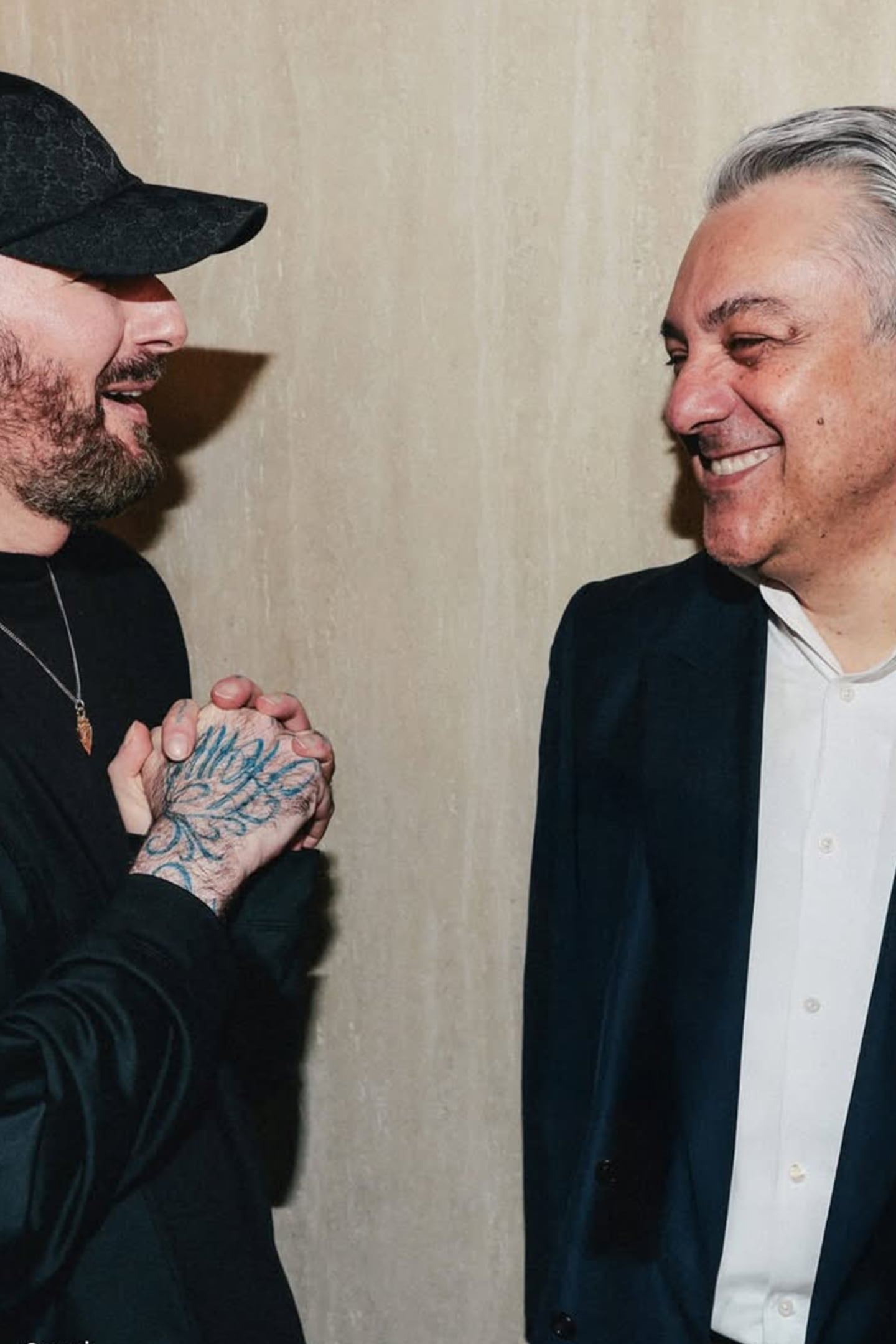
Seven months into the job, Luca de Meo has bought himself time as CEO of Gucci owner Kering. This week he has to prove he knows how to use it.
Since taking over in September, the former boss of carmaker Renault has moved fast: selling assets to shore up Kering’s balance sheet, forging new alliances and surrounding himself with fellow auto veterans to drive change.
For investors, the emphasis is now shifting to a more complex task: reviving growth at star brand Gucci, the French luxury conglomerate’s former cash machine and its most pressing unresolved problem.
That challenge has been complicated by a worsening business backdrop due to the Iran war by subdued first-quarter sales at rival LVMH. Kering reports quarterly sales on Tuesday, two days before Meo takes centre stage at his first capital markets day in Florence, Gucci’s birthplace.
ADVERTISEMENT
“Investor focus will simply be Gucci, Gucci, Gucci,” said Bassel Choughari, a portfolio manager at Comgest.
De Meo joined Kering with a reputation forged outside luxury, having rebuilt Renault by simplifying strategy, tightening discipline and cutting through corporate clutter. He has followed a similar script at Kering.
Within weeks, he hit the brakes on the planned acquisition of Italian fashion brand Valentino.
He also struck a €4 billion agreement to sell Kering’s entire beauty business to L’Oréal and raised roughly €1.5 billion by selling high-end real estate in New York and Milan, easing concerns the group could buckle under its debt load.
Those moves have put Kering on firmer financial footing and shifted the conversation. With liquidity secured and leverage less of a worry, the spotlight is back where it has always been: Gucci.
Once the group’s profit engine, the brand’s sales have nearly halved from their peak under former creative director Alessandro Michele. Years of aggressive price hikes, shifting aesthetics and managerial churn have alienated parts of its customer base.
Part of de Meo’s answer has been to challenge long-held assumptions inside Kering. He has questioned the group’s historical over-reliance on Gucci and acknowledged that errors in its pricing strategy needed correcting.
The Italian - who told staffers at a tech event in January he could run an entire company with just a smartphone and WhatsApp - has also tightened control from Paris headquarters, reducing the autonomy long enjoyed by Kering’s individual houses, including Yves Saint Laurent and Balenciaga.
ADVERTISEMENT
Marketing and supply chains are being more closely integrated, a move aimed as much at saving costs as restoring coherence.
To drive the shift, de Meo has installed several trusted lieutenants from the car industry - many of them Renault alumni - across functions from production and talent management to investor relations and artificial intelligence.
For a luxury group long steeped in creative mystique, it marks a cultural jolt. “The level of bullshit has decreased,” de Meo told journalists in February, describing his first months.
That candour has appealed to investors. Kering shares have risen about 13 percent since his arrival, outperforming a decline in rivals LVMH and Hermes over the same period, even as those competitors reported much stronger sales. Expectations, in other words, have lifted - but from a low base.
The financial damage is clear. Kering slumped to a €29 million net loss from continuing operations last year, versus a profit peak of €3.6 billion in 2022. Its recurring operating margin was just 11 percent, against a peak of 28 percent in 2021.
Fixing that, however, does not rest on de Meo alone. Much also depends on Demna, Gucci’s new creative director.
Since replacing Sabato de Sarno — who himself lasted less than two years — the Georgian designer has unveiled two collections, marked by deliberately exaggerated, attention-grabbing styles that have split critics.
Those designs are only now reaching stores, meaning hard sales data remains scarce, with first-quarter figures likely complicated by the Iran war and fragile consumer confidence.
ADVERTISEMENT
De Meo’s task on Thursday will be to persuade investors that even if the turnaround is not yet visible, it is taking shape.
By Tassilo Hummel
From online conversation to pricing to early store traffic data, BoF analyses how Kering’s biggest brand is adjusting its strategy, and whether it is working.
Under scrutiny from top managers and investors, LVMH, Kering and Richemont are re-examining their brand portfolios, organisational structures and store networks.
This week, Kering agreed to sell off its beauty unit to L’Oréal for $4.6 billion in a transaction that’s seismic for both groups. But its ripple effects will be felt further afield, too.
Loading recommended reads…
Sales of gems, precious metals and artwork at Japan’s department stores climbed 19 percent in the first half of 2026 from a year earlier to $2 billion.
Though Adidas dressed both teams in the World Cup finals, the global football tournament still presented some bright spots for Nike, writes Bloomberg’s Andrea Felsted.
From our archive, the creator and host of award-winning podcast “Articles of Interest” joins BoF founder, CEO and editor-in-chief Imran Amed to explore what clothing can reveal about identity, culture, labour and the world around us.
Saunders, the brand’s first creative director in five years and a skilled colourist, promises to give Kate Spade the clarity it has long lacked. Now, Tapestry must apply the same long-term brand-building discipline that fueled Coach’s success.