Beiersdorf Sales Slightly Miss Expectations on Nivea Weakness
The German consumer goods maker marginally missed market expectations for third-quarter sales growth on Tuesday, with its key Nivea brand posting a third straight quarterly sales decline.

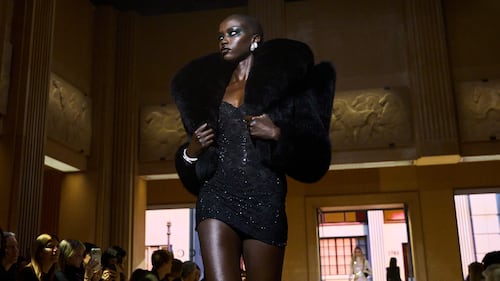
Among the takeaways from the latest round of quarterly reports from European luxury groups: China’s hurting, industry growth in the US has slowed and quiet luxury is having a moment.
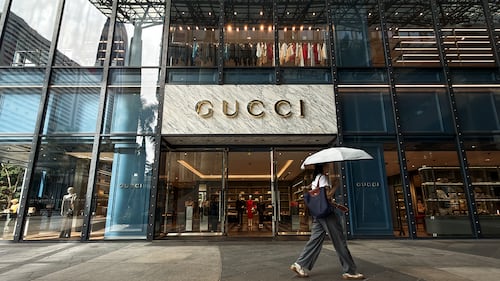
Gucci sales fell 6 percent on a comparable basis as falling demand in China sent turnaround efforts backwards. Retail sales grew 2 percent at the group’s other fashion brands.
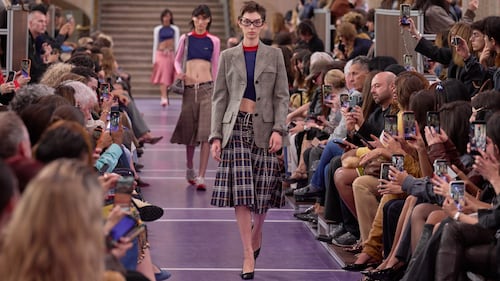
The luxury group’s results reflect a wider industry slowdown marked by subdued demand in Mainland China.
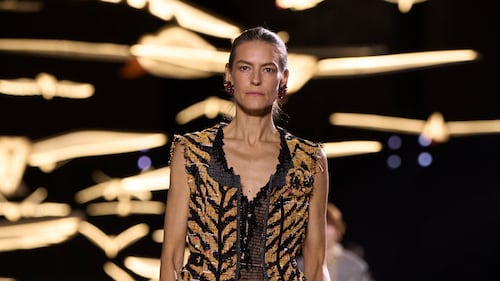
New European regulations will soon force high-end brands to reveal all the stock they shred and burn to keep retail values high.
ADVERTISEMENT
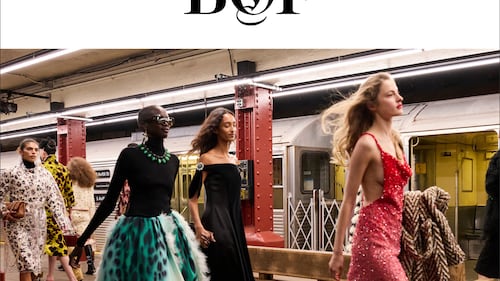
How did a 115-year-old brand rocket back to growth amid a downturn in luxury demand? Drawing on interviews with Chanel fashion president Bruno Pavlovsky, artistic director Matthieu Blazy, group CEO Leena Nair and more, this report breaks down the multi-faceted strategy that reignited desirability and sales, allowing the French couture icon to solidify its position in ‘ultimate luxury.’

Zane Li’s Lii and Anil Padia’s Yoshita 1967 took the runner-up Karl Lagerfeld and Savoir-Faire prizes, respectively.
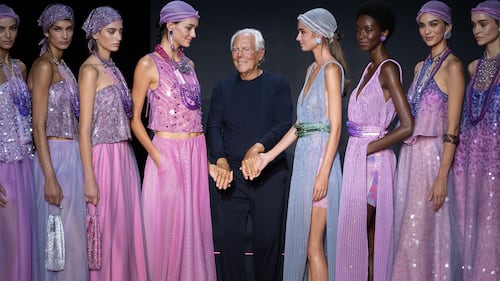
The late Giorgio Armani stipulated in his will that the sale of around 15 percent of the company should take place between 12 and 18 months after his death, followed by the disposal of a larger stake or a public listing.

The French conglomerate must be more strategic in picking its battles to avoid creating reputational problems in markets that drive future growth, writes Bloomberg’s Juliana Liu.
ADVERTISEMENT

‘Sell any rally,’ Berenberg says, as Barclays forecasts long-term stagnation. Plus: Burberry’s cautious outlook, Anderson’s Dior cruise show in LA, a renewed focus on placemaking.

BoF luxury editors Mimosa Spencer and Robert Williams unpack why weak first-quarter results from LVMH, Kering and Hermès have deepened concerns about luxury’s slowdown – and why creative resets alone are not enough to restore growth.

A set of underwhelming first-quarter revenues from French luxury groups LVMH, Kering and Hermès is challenging hopes for a sector recovery this year.

The French conglomerate is reorganising key functions as part of a strategic overhaul unveiled by new CEO Luca de Meo in Florence Thursday.
The German consumer goods maker marginally missed market expectations for third-quarter sales growth on Tuesday, with its key Nivea brand posting a third straight quarterly sales decline.
Whereas Rolex is both a buyer and seller of its second-hand watches through official retail partners, Audemars is setting up a marketplace where sellers set prices.
The British retail group has pushed its stake in the German apparel brand above 50 percent in a move that will turn Hugo Boss into a subsidiary of Frasers.
The settlement, equivalent to 44 percent of the ultra fast-fashion company’s second-quarter profit, is the latest blow amid regulatory and tax crackdowns in Europe and the US that have hampered Shein’s growth.
The recovery long promised by luxury brands seems nowhere in sight, as the expansion of war in the Middle East, along with China’s tax crackdown on the wealthy, piled further pressure on the world’s biggest luxury conglomerates in the third quarter, and executives buckled in for a tough winter.
Sales fell in September as above-average temperatures hit demand for autumn clothing.
Hitting newsstands in October, the magazine marks Elle’s 51st international edition, published under licence by the Geomedia group.
Pearl, a subsidiary of David’s Bridal, will own David’s Bridal and license its intellectual property back to the bridalwear brand. David’s Bridal CEO Kelly Cook will serve as Pearl’s CEO.