Mike Ashley’s Frasers Says It’s Taken Control of Hugo Boss
The British retail group has pushed its stake in the German apparel brand above 50 percent in a move that will turn Hugo Boss into a subsidiary of Frasers.
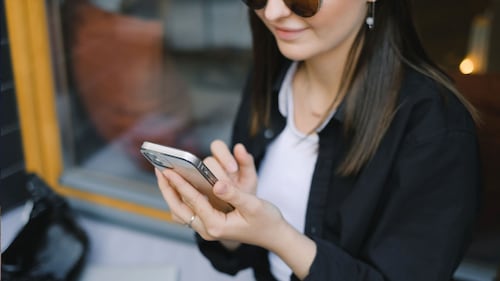
The tech giant’s new AI agent brings the prospect that consumers could routinely use the technology to shop a step closer to reality.
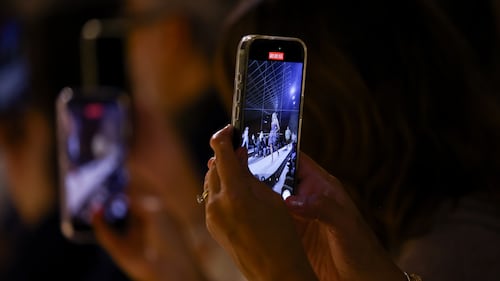
A garment’s image has become more important than the garment itself, commentator Eugene Rabkin argues in a new book. While technology helped create this situation, it could also be part of the solution.
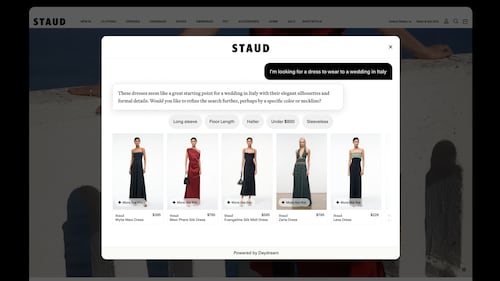
Brands are embedding ChatGPT-like tools directly into their e-commerce sites, with AI platform Daydream spurring adoption as it opens up its technology to third parties.

Generating demand for Meta’s new line of own-branded smart glasses may prove an uphill battle for the US tech giant. Plus, what social media bans mean for fashion and the generative search advertising boom.
ADVERTISEMENT

Google and Amazon are shaking up the way shoppers find and buy products online with new search experiences that centre on the capabilities of LLMs.

One of the minds behind H&M’s foray into using digital twins of human models has struck out on her own with a new company that’s pushing the idea even further.

The reaction to Prada’s unsettling new campaign reveals an emerging sentiment in online audiences who see AI and luxury as incompatible.

A new analysis suggests most big fashion and retail players are using AI, though many are still reluctant to speak about it publicly.
ADVERTISEMENT

The app’s new US owners are ‘retraining’ its recommendation algorithm, raising concerns about new biases, while social media companies are facing a landmark trial claiming they’re addictive by design.

A growing AI backlash, the advance of autonomous agents and new laws banning children and some teenagers from social media are just a sample of what this year has in store for fashion’s intersection with technology.

Traffic to US retailers from AI sources soared on Black Friday and Cyber Monday, while EssilorLuxottica’s wearables chief exited and Google introduced a hot new AI model.

The intimates brand said it’s sticking to real people, breaking from the growing number of brands using AI for content, while OpenAI’s new checkout within ChatGPT and its Sora 2 video app are set to have implications for fashion businesses.
The British retail group has pushed its stake in the German apparel brand above 50 percent in a move that will turn Hugo Boss into a subsidiary of Frasers.
The settlement, equivalent to 44 percent of the ultra fast-fashion company’s second-quarter profit, is the latest blow amid regulatory and tax crackdowns in Europe and the US that have hampered Shein’s growth.
The recovery long promised by luxury brands seems nowhere in sight, as the expansion of war in the Middle East, along with China’s tax crackdown on the wealthy, piled further pressure on the world’s biggest luxury conglomerates in the third quarter, and executives buckled in for a tough winter.
Sales fell in September as above-average temperatures hit demand for autumn clothing.
Hitting newsstands in October, the magazine marks Elle’s 51st international edition, published under licence by the Geomedia group.
Pearl, a subsidiary of David’s Bridal, will own David’s Bridal and license its intellectual property back to the bridalwear brand. David’s Bridal CEO Kelly Cook will serve as Pearl’s CEO.
The French giant handily beat expectations on strong demand for hair products at salons and premium skincare from its dermatological division.
The maker of Pantene shampoo was helped by strong personal care demand, but expects higher commodity costs to reduce profit by about $1.4 billion this year.