Agenda-setting intelligence, analysis and advice for the global fashion community.
Agenda-setting intelligence, analysis and advice for the global fashion community.

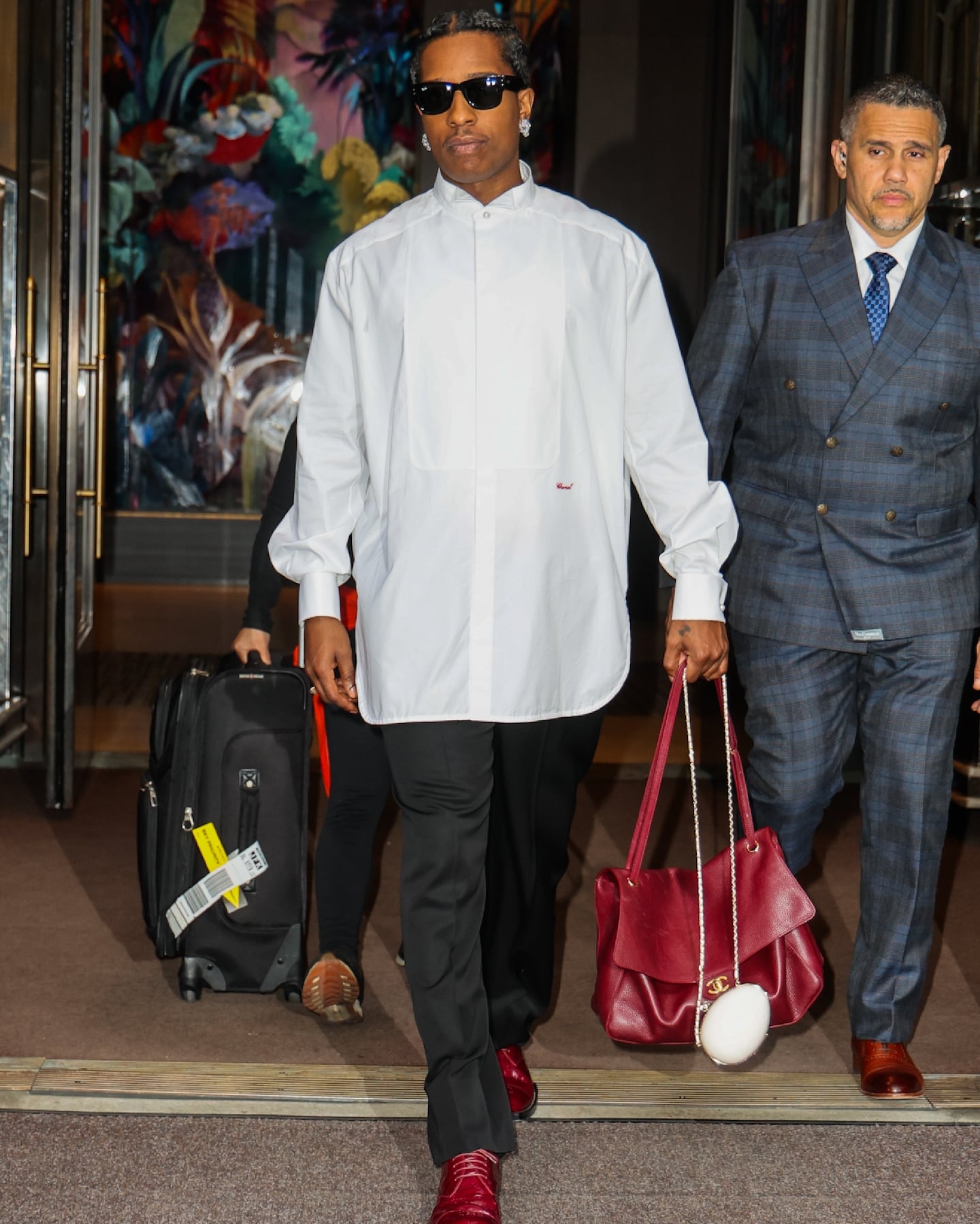
Subscribe to High Margin by Robert Williams: perspectives on creativity and business in the world of luxury.
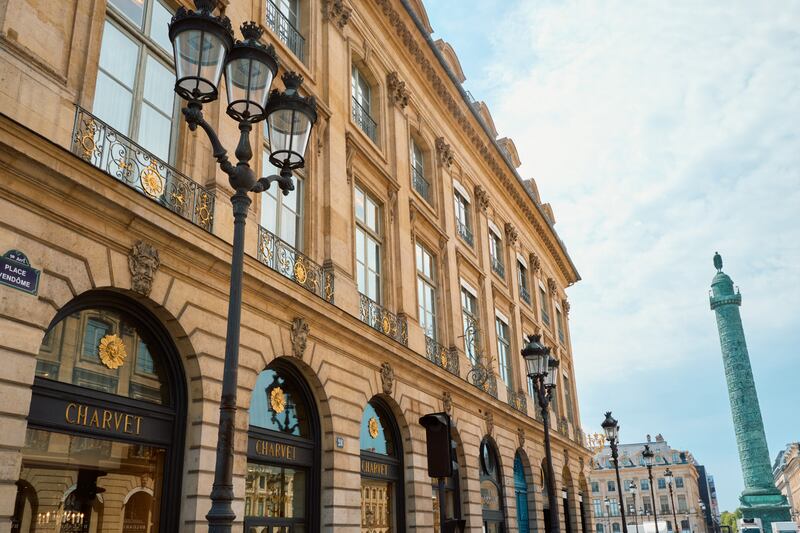
Hello from New York (stateside for a wedding), where my conversations with Chanel’s Bruno Pavlovsky and Charvet’s owner-operators Anne-Marie and Jean-Claude Colban have had me up at some pretty crazy hours. Worth it, though: The Colbans are magical, and I couldn’t miss out on talking to them on the eve of a watershed event for their family and business.
News broke Thursday that the Colbans have sold Charvet to Chanel for an undisclosed sum.
Charvet is an insider brand that seems to exist outside of time; a family-run habilleur with a multi-generational savoir-faire in custom shirting. Devotees would have preferred it never change, much less be absorbed by a global luxury behemoth.
ADVERTISEMENT
But change was inevitable — the Colbans are entering their seventies, and their children do not work in the business. The Chanel deal looks like the best possible solution in the sense that the company’s turnover will always be driven by its core Chanel label: Perpetuating savoir-faire, not scaling revenues, remains the priority for the dozen other brands in its portfolio.
As Jean-Claude Colban explained it:
“What we were looking for above all was a solution to maintain our identity and preserve what we do, as we feel every day just how much we are unique — more and more so, unfortunately. On certain days, we pride ourselves on being the only ones to do things a certain way, but on others, it is exhausting to deal with people who do not understand.
What we feared is that our values should be betrayed. That our unique way of doing things should dissolve. To give a very simple example, if we take the trouble to make 50 blues, and someone one day decided to focus on just the most popular shade, that would be a very bad idea.
There are many players in the luxury and textile sectors who are under intense pressure and cannot look at things in the long term. And then you also need to have a certain experience in craftsmanship, and a certain experience in working with the various small players around us. All of this excluded a lot of [potential acquirers] who are either not very competent, or who have an exclusively financial approach.”
Chanel, which has amassed a portfolio of craft houses including couture flower-and-feather specialist Lemarié, brass jewellery and homeware brand Goossens and Scottish cashmere label Barrie, emerged as a logical buyer following their collaboration with Charvet on shirting for creative director Matthieu Blazy’s debut show last year.
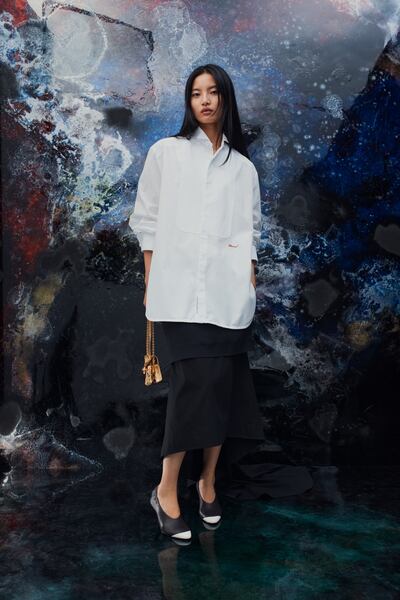
Chanel buying Charvet has me thinking about the extent to which brands that are highly invested in personal style — not just capital-F fashion — are currently driving the market.
A clear focus in Blazy’s first collections has been to build a palette of digestible, easy-to-wear designs women can integrate in their everyday style like overshirts, cropped jeans and more relaxed takes on the tweed jacket. That push builds on predecessor Virginie Viard’s effort to soften and lighten the Chanel wardrobe, distancing the brand from the high-flying fabulousness it was known for under Karl Lagerfeld.
ADVERTISEMENT
Elsewhere, Michael Rider’s Celine won rave reviews at Paris men’s week for his latest exploration of luxe sportswear, showing ultra-refined classics updated with styling twists that felt personal, character-driven. Phoebe Philo — who drove the fashion agenda during her own tenure at Celine — has gained traction for her namesake brand by building out a wardrobe of pieces that feel sure to have longevity and are easy to mix and match across seasons.
At Charvet, the Colbans say the secret to the house’s success has been constant renewal — not via periodic refreshes at the whims of an artistic director, but by evolving in constant dialogue with their clients and suppliers.
“The customers are the designers. One of our garments might be recognisable by certain construction details, by the absence of flaws, but certainly not by an obvious signature. The only obvious signature is the taste of the person wearing it,” Colban said.
Loading recommended reads…
Sales of gems, precious metals and artwork at Japan’s department stores climbed 19 percent in the first half of 2026 from a year earlier to $2 billion.
Though Adidas dressed both teams in the World Cup finals, the global football tournament still presented some bright spots for Nike, writes Bloomberg’s Andrea Felsted.
From our archive, the creator and host of award-winning podcast “Articles of Interest” joins BoF founder, CEO and editor-in-chief Imran Amed to explore what clothing can reveal about identity, culture, labour and the world around us.
Saunders, the brand’s first creative director in five years and a skilled colourist, promises to give Kate Spade the clarity it has long lacked. Now, Tapestry must apply the same long-term brand-building discipline that fueled Coach’s success.