Agenda-setting intelligence, analysis and advice for the global fashion community.
Agenda-setting intelligence, analysis and advice for the global fashion community.


Since its foundation in 2007, London-based fashion brand COS has attracted a customer in search of considered and functional designs at accessible price points.
In the second half of 2025, COS was the only non-luxury label to appear in The Lyst Index of the hottest brands. The index — which analyses social media mentions, activity and engagement statistics of more than 160 million online fashion shoppers worldwide — saw the brand close the year with demand up 60 percent compared to the previous quarter.
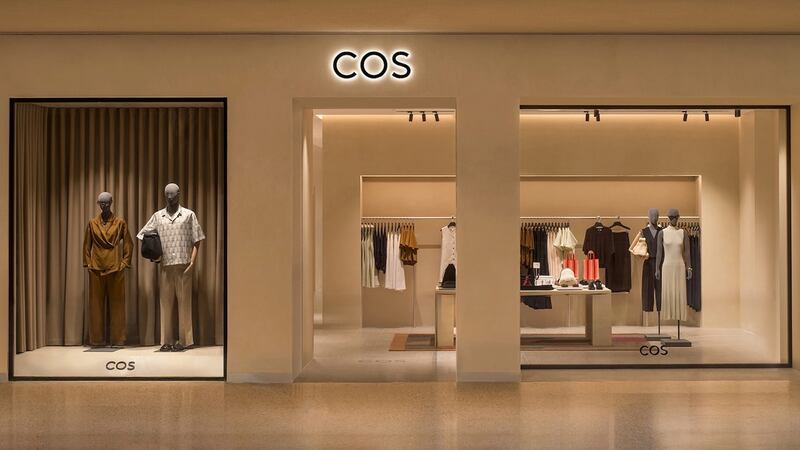
COS has steadily grown its global presence over the last two decades. By 2012, the retailer counted nearly 50 stores across nine countries. Its retail footprint has since expanded to 247 stores in 49 physical markets, and in late 2025 the brand entered India with its first store in New Delhi.
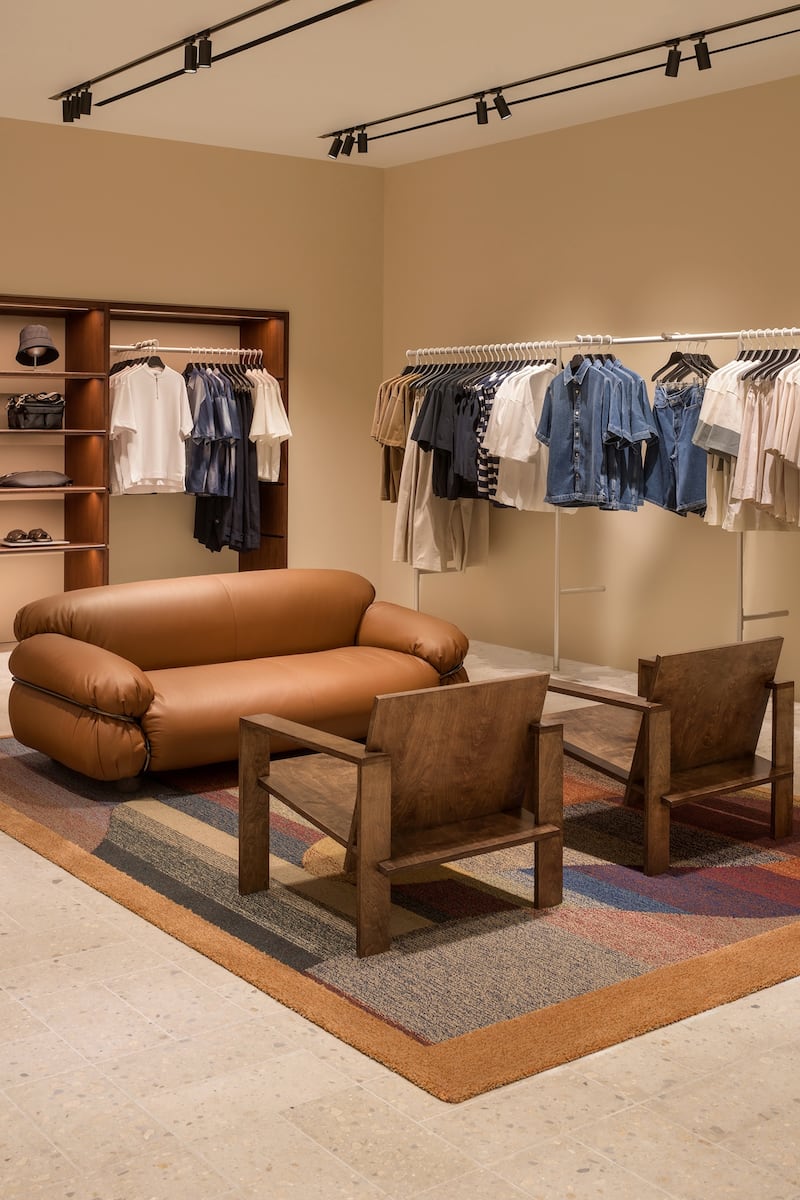
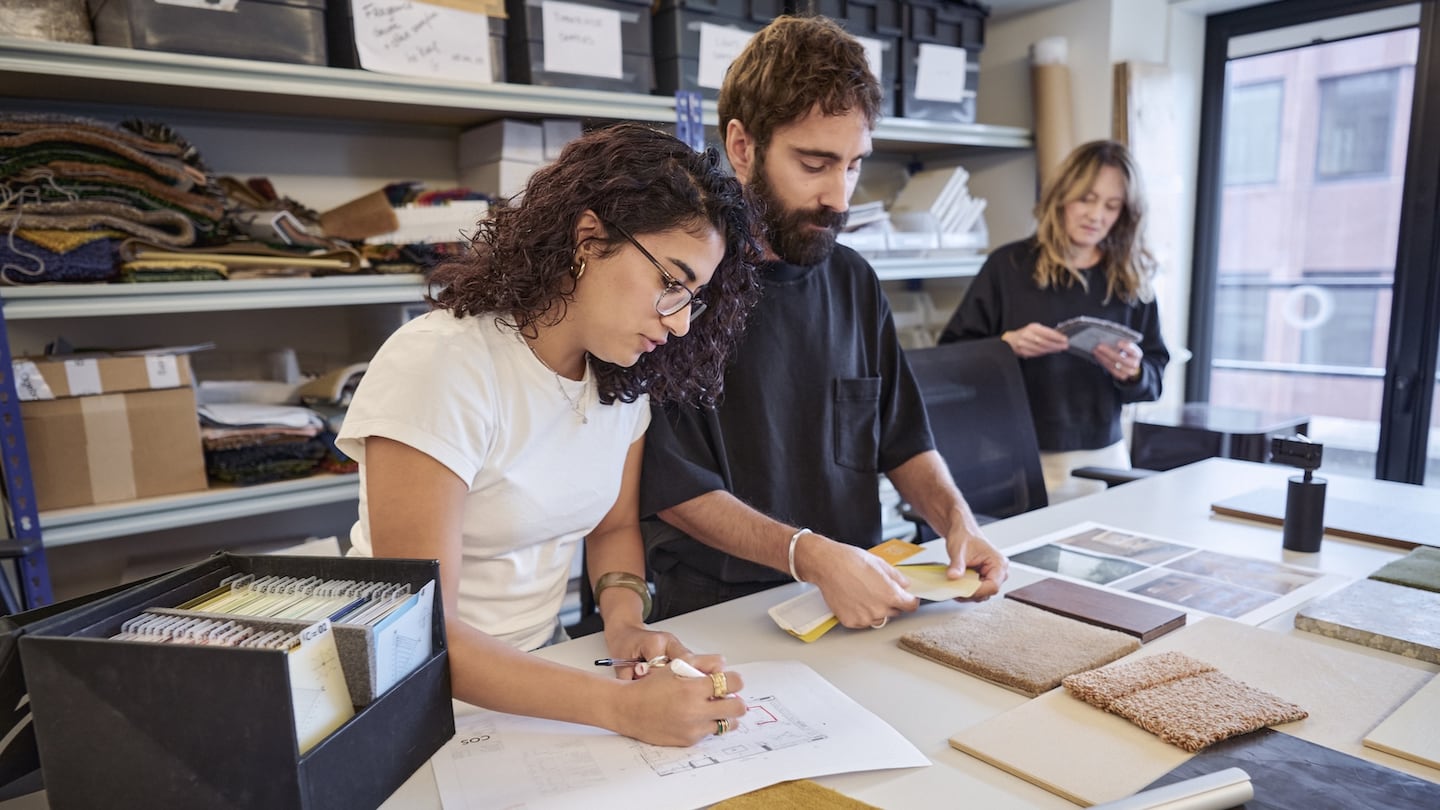
Driving this strategy is COS’ global growth team. This multidisciplinary function steers the brand’s international expansion and is responsible for all aspects of store rollout — from scouting new locations to analysing local market contexts, identifying optimal store placements and conveying the brand codes through architectural and interior design. The team also drives the optimisation of established store spaces where updates or improvements are required.
0 of 9
While broader business strategies are managed centrally from London, regional leads drive market-specific expansion — whether relating to leasing negotiation, rightsizing or rollout pacing.
To learn more about how COS is scaling its global footprint with purpose, while staying true to its brand identity, The Business of Fashion sits down with three members of its growth team, including Carolyn Ruxton, global head of interior, Andrew Currie, head of growth APAC, and Ewa Nowowiejska, senior architectural designer.

How would you describe the working environment and culture within the growth team?
The growth team is very intentionally collaborative: we make sure we are listening to and learning from the stakeholders around us to contribute to strong projects and workflows.
We are quite an international team, with different perspectives and backgrounds. We draw on each other’s experiences — both professional and personal — and different approaches to retail and consumerism and integrate that meaningfully into our work. Having a platform of trust where people can speak openly and share is really important. We listen to each other and use those perspectives to enrich our day-to-day work.
It’s all rooted in a clear, shared understanding of the brand, which guides our decision-making, creative direction and how we engage with the customer. This collaborative way of working is reinforced across the organisation — we are encouraged to work closely with cross-functional teams to build a coherent brand direction and express the COS brand in a meaningful way.
How do you work with your team to translate COS’ brand codes into spatial and architectural language across different regions?
A key challenge is balancing that local identity with the brand identity — keeping consistency while translating COS values in a way that feels specific and meaningful. One standout for me is our flagship in Berlin’s Mitte district, which we worked on last year. It’s a street location with a lot of natural daylight, but the space itself is long and narrow — something which creates an interesting design challenge.
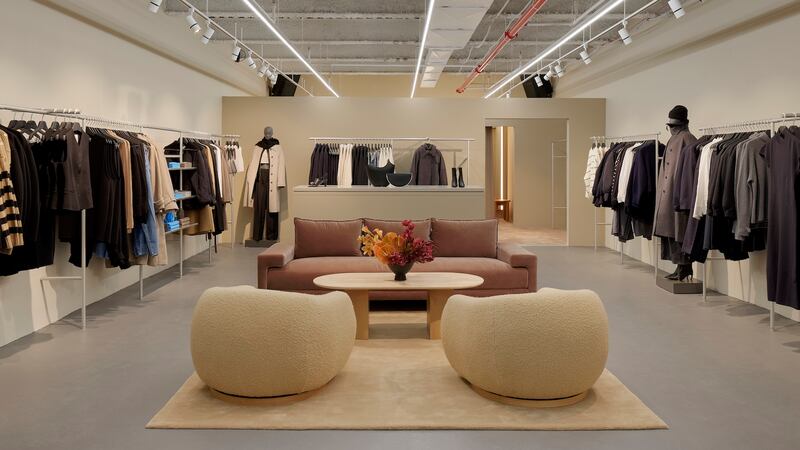
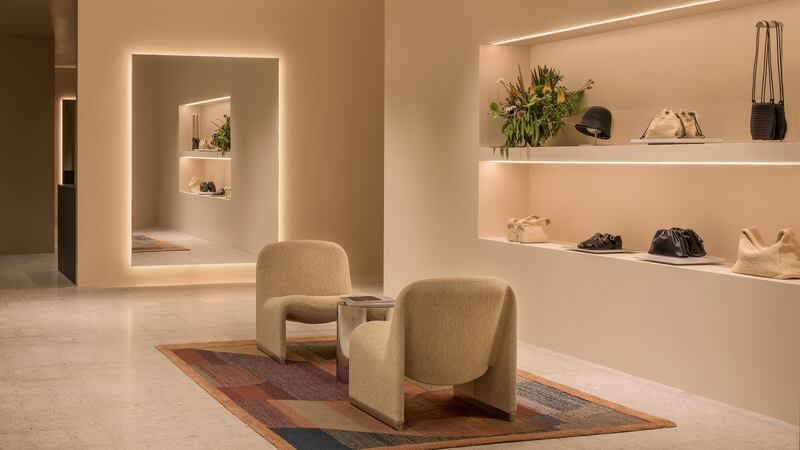
We like to draw on local references without turning them into a caricature — interpreting them in a modern way that only makes sense in that specific location. We think carefully about how to layer the space — creating clear touchpoints and alignment with the visual merchandising strategy to guide the customer journey. It’s about introducing moments that inspire and engage through materiality, contrast and tactility — as well as sourcing furniture that feels relevant to the building and its context.
It comes down to collaboration — and most importantly trust. We are all in these roles because we have a level of expertise and understanding of the brand. The team I work with in store design are very experienced spatial thinkers — they are not all architects and come from varied backgrounds. That diversity is what makes it interesting — we challenge each other and evolve spaces in a very collaborative way.
How are you evolving your design strategy to meet customers where they are?
We think about the spatial experience — and how to create a calm, intuitive journey that isn’t overwhelming, but encourages people to engage and spend time in the space.
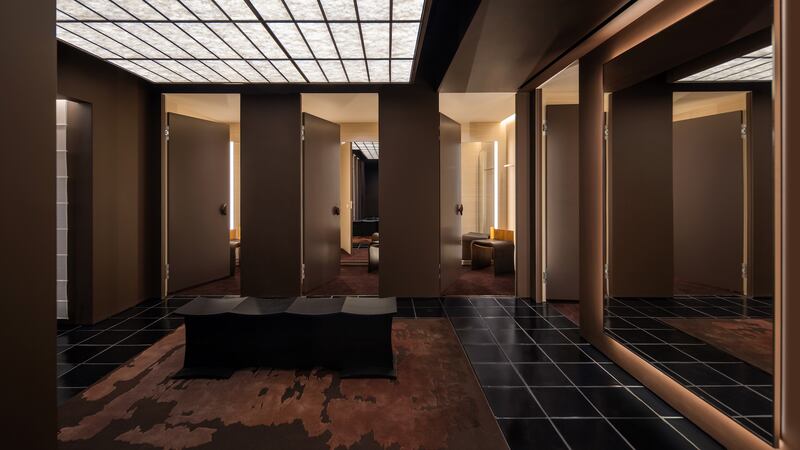
The garments and the environment invite exploration of materiality, both visually and physically. It’s important to understand how people move through the store — where their attention lingers, how they navigate and how they engage with more intimate areas like fitting rooms. The goal is to make them feel comfortable — and for them to take their time and connect with both the collection and the store team.
Our focus is on longevity and long-term value. There is room for trend and local relevance but the key is how elements of the store are timeless. We must ensure our spaces are adaptable enough to support each collection as it evolves each season — as in the end the clothing is what we want to showcase.
How would you describe the working environment and culture within the growth team?
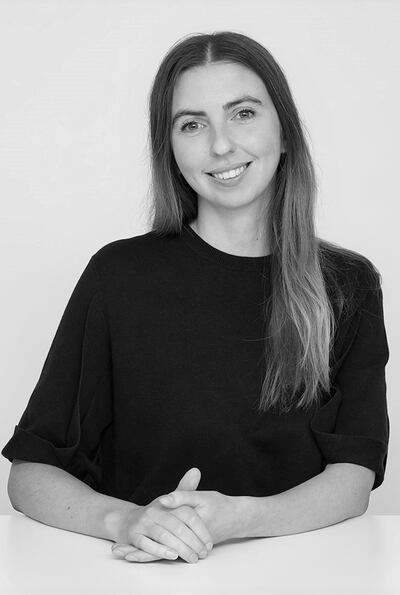
It’s a very interdisciplinary and multinational group, with a wide range of backgrounds, skills and knowledge. What I think is especially unique is that when I started, I was immediately trusted with projects and given ownership — however, it’s always a team effort and there’s never a sense of isolation.
There’s also a strong culture of sharing ideas or giving feedback — while thinking outside the box. We challenge each other and aren’t afraid to test new things.
Constant improvement is really ingrained in our DNA. That means things don’t always go according to plan — mistakes do happen. However, I can confidently say that the project I’m working on today is already better than the one I executed a month ago.
What was one of the most architecturally interesting store projects you’ve worked on with the growth team?
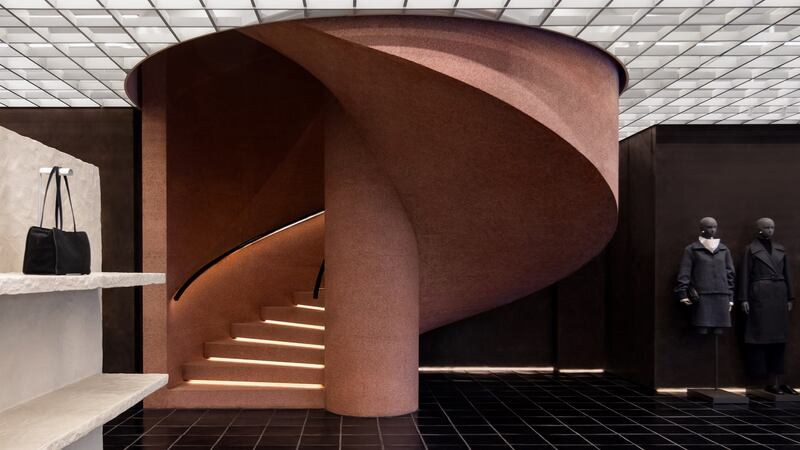
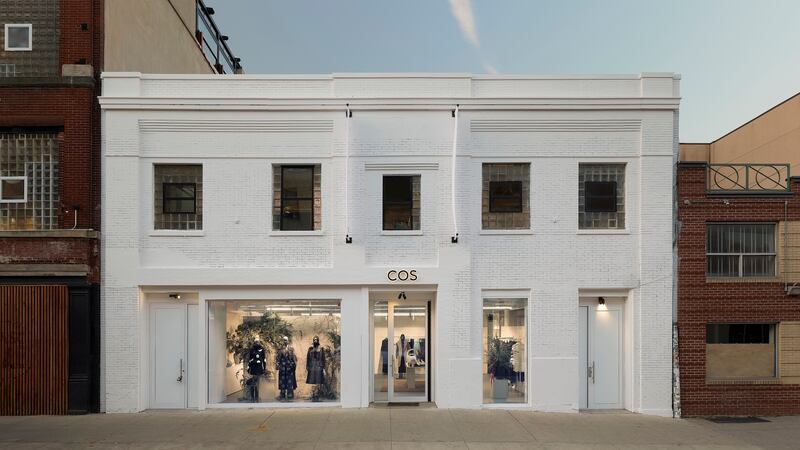
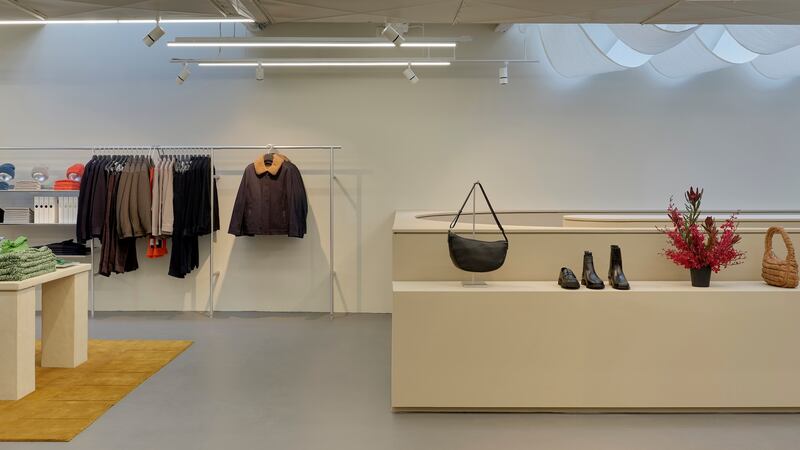
One project that stands out is Williamsburg in New York. It’s a beautiful building with a lot of natural daylight. We had to work closely with existing architectural elements like the open ceiling, wall and staircase — shaping the customer journey around those constraints while creating a strong datum line to anchor the space. We also introduced bespoke fitting rooms and a styling room featuring a Melt daybed from New York-based furniture studio Bower. All elements are very locally relevant and respectful of the building, which is really key to how we work.
Before we even start designing, we collaborate with local teams and our internal team to create a strong brief. This includes understanding the local customer, foot traffic, the building itself, its heritage and any local regulations. We also define a shared vision for what the space needs to achieve for that specific location. You can see our current concept there, but with many tweaks, as we had to adapt it to the local market and the specific conditions of the site.
We typically work on these projects in small teams, including with project managers, construction project managers and interior buyers. We lead projects together from start to finish, bringing different perspectives — with the team composition often varying depending on the project and region.
How do you adapt COS’ architectural language to different urban contexts?
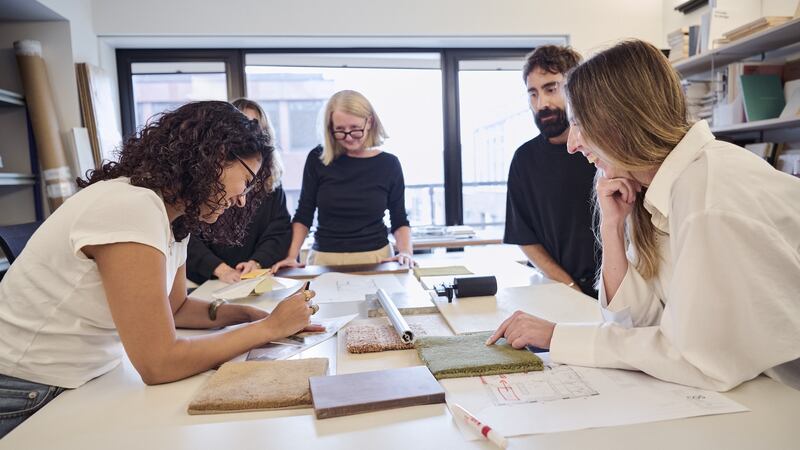
We always try to introduce a common thread for a COS store, but it often involves dealing with different design features in different locations — whether it’s a rail system or how we merchandise the collections. However, everything is open for discussion — every single element is questioned, especially in a location like Williamsburg. If it’s a street location in a beautiful building, we ask whether each element really suits the narrative of that space.
We try to identify what’s truly special about each location — something which can vary a lot. For example, moving from Williamsburg to Zurich, we worked on a former bank building in a beautiful heritage setting. There, we had to preserve and highlight the original ceiling and flooring, which completely changed how we would normally approach the store layout. We had to adapt our design to respect the building’s heritage.
Across different locations, whenever there are unique elements — like a large safe in an old bank building — we try to incorporate them into the experience. For instance, we might turn such a feature into a shoe or accessories destination. These aren’t always part of the standard concept, but we use them to create special moments within the store.

How would you describe the working environment and culture within the growth team?
The growth function brings together a wide range of inputs into expansion — both digital and physical. There are many stakeholders with different backgrounds — from data analytics teams assessing locations, to leasing and expansion handling contracts, through to store design teams where it becomes more creative and visual.
That creates a culture of constant sharing, because so many perspectives feed into each project. It’s a highly collaborative and passionate environment, where everyone contributes to discussions and decision-making. Communication is open across teams and stakeholders, and even when a project doesn’t start from a creative brief, it often becomes a creative process because of the level of input.
It’s also very thought-provoking. You might begin with one vision, but after input from 20 or 25 teams, the outcome can look very different. That’s the exciting part — the level of collaboration shapes something more developed than the original idea. And throughout, there’s always a focus on the customer, making sure that stays central as ideas evolve.
What factors are most critical when scouting and selecting new store locations across APAC?
Data from digital channels, including .com performance, helps identify where demand already exists. Alignment with the brand’s core identity and how the brand wants to present itself physically in a market is always front of mind. Even in high-traffic, commercially attractive areas, locations are rejected if they don’t meet key criteria — such as the right size or façade or ability to express the brand in a confident and consistent way. If a space doesn’t fully support that vision, the decision is to search for a better location.
Another key factor is localisation. While maintaining a consistent brand identity, there is a focus on incorporating subtle, bespoke elements that resonate with local customers. For example, in Xi’an in China, we had lots of discussions about whether to do a terracotta store as the region was home to the Terracotta Army. We have also considered bamboo features for one of our Japan locations.
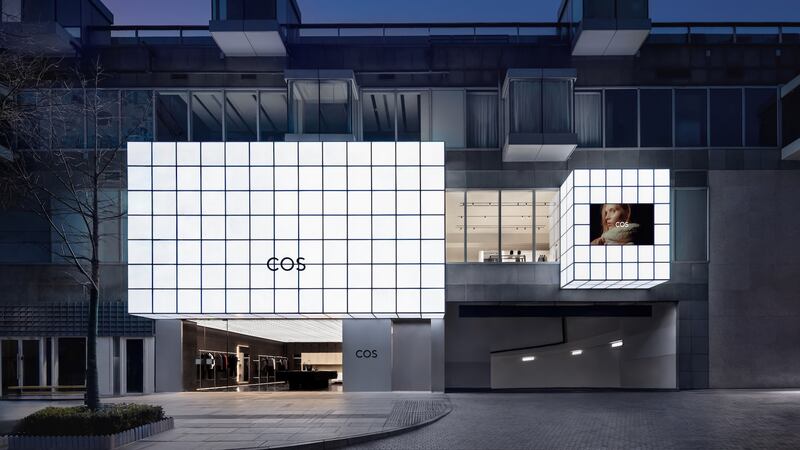
We want our customers to feel a connection with their local store. COS’ Sanlitun store in Beijing’s Chaoyang district is a prime example of this. Our design team approached this flagship with the intention of creating a space that really resonated with local customers. The store has design influence from historical Beijing constructions, including The Forbidden City. Local sourced elements such as the black tiled flooring, lounge furniture and grid lighting have created a COS store that is unique for our Beijing customers.
How do you work with different COS teams to ensure a successful market entry?
Collaboration is essential in the decision-making process. There is close coordination between regional teams and the central team in London — particularly when assessing more challenging or unconventional spaces.
In some cases, teams will visit locations together to evaluate their potential, relying on shared expertise and trust to determine whether a space can be transformed into a viable store. Overall, the approach prioritises brand integrity first, then layers in customer data and local relevance, with strong internal collaboration ensuring that each decision is both strategic and considered.
From employing the general contractor to build the store, to the teams unpacking boxes and hanging garments, collaboration touches every stage of the process. Expansion is probably the most cross-collaborative function in the organisation — right through to the marketing team producing the press release when the store opens. It’s one of those projects that involves everyone, which is what makes it so fun and inspiring.
This is a sponsored feature paid for by COS as part of a BoF partnership.
The fashion brand is championing a collaborative, cross-functional approach to elevate every collection. BoF speaks with three COS employees to learn more.

Eoghan O’Donnell is the Junior Commercial Writer at The Business of Fashion (BoF). From Kerry, Ireland and based in London, he contributes to BoF’s careers advice and written content partnerships.
Loading recommended reads…
The former Vogue Man Philippines editor will helm GQ’s 23rd international title, whose debut issue features covers starring Darren Criss, Jordan Clarkson and Erwan Heussaff.
The Tokyo-listed company will pay $3.6 million in cash for 100 percent of Undercover, with founder Jun Takahashi relinquishing corporate duties to focus solely on design.
Nike will be removed from the S&P 100 later this month as the brand’s stock continues to plummet. This is the latest sign of lost faith in the Portland-based company from industry investors that feels almost impossible to gain back.
The beauty conglomerate faces over 12,000 similar lawsuits filed by individuals that have been consolidated in a Chicago federal court.