Agenda-setting intelligence, analysis and advice for the global fashion community.
Agenda-setting intelligence, analysis and advice for the global fashion community.

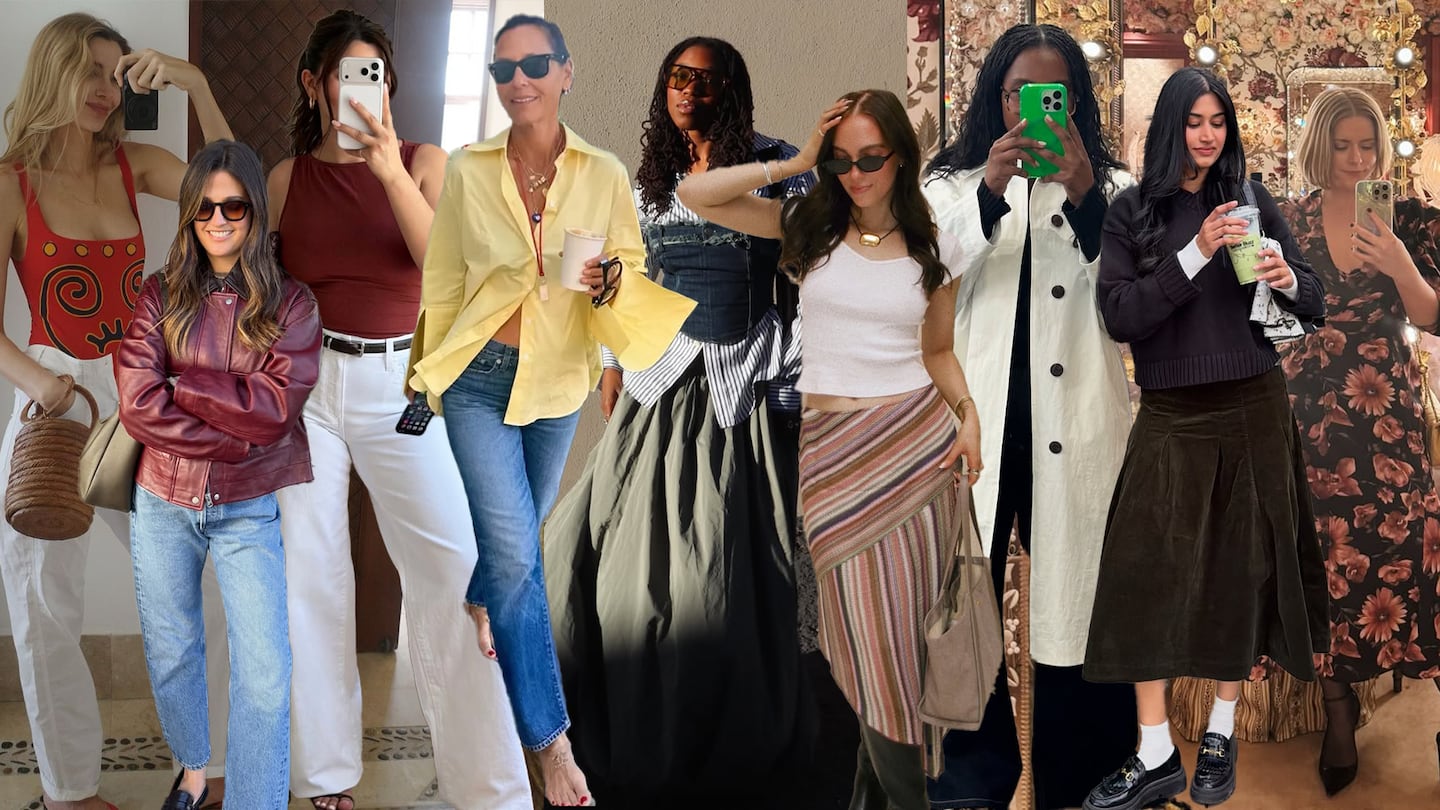
For most of the social-media era, it’s been an accepted truth that creators with smaller audiences are best at driving sales. But finding those mystical moneymakers was tricky, with an endless number of micro-influencers to choose from and limited data around who actually converts.
That‘s changing fast.
Compared to even just a few years ago, it’s significantly easier to judge exactly which creators are driving sales for your brand, thanks to the growth of companies like ShopMy, as well as greater data transparency from more established players like LTK and CreatorIQ. The ability to do so is changing the relationship between the fashion industry and even the most micro of micro-influencers. Brands are seeding products and sponsorship deals with vast, yet precisely targeted networks of creators — increasingly, ones with smaller follower counts.
In today’s more commerce-minded market, “you’ve got to be a merchandising expert, understand the products in depth and know how to sell,” said Hayden Bowler, head of commerce at marketing agency Influencer.
ADVERTISEMENT
For a TikTokker who makes comedy videos, that’s “a completely new skill set,” according to Bowler. But micro-influencers have a knack for creating the sort of content that convinces followers to spend, even if they’re not playing anywhere near the same league as the Kardashians or Alix Earle.
It’s a quality brands are increasingly seeking out, too. Kayla Douglas said she launched her Substack newsletter documenting her trips and life in New York, The Sunday Series, during the pandemic to stave off boredom, and eventually accumulated 10,000 followers on Instagram. It didn’t occur to her to try to make money off her posts until an influencer friend told her she was “crazy” not to at least try.
Through ShopMy, she can see the clicks — and commissions — rack up; her followers bought over $10,000 worth of Rag & Bone sweatpant jeans after she called them the ultimate travel pant, her top-performing product to date. She said her share of the proceeds isn’t “life-changing money,” but helps pad her monthly shopping budget.
In 2026, many brands work with a handful of major influencers whose massive reach can build awareness, while counting on a small army of Douglases to drive sales.
Urban Outfitters-owned clothing rental service Nuuly, for instance, buckets the creators it works with into three different groups. Larger-scale creators like Simi Muhumuza and Meredith Hayden are “ambassadors”; they primarily create videos and posts that explain what Nuuly is, how to use it and what sort of clothes are included in its assortment to a wide audience. Mid-level influencers, like Tara Bellardini or Simona Cruzer, are tapped for styling content. And then there’s Club Nuuly, which is open to creators with as little as 2,000 followers, which is more of a conversion vehicle.
Each tier feeds the other: A macro-creator may first introduce a potential subscriber to the program, and a mid-tier one shows them how they use Nuuly. But it might be a small-scale creator — someone the average person is more likely to identify with — that actually gets them to hit purchase.
“When they’re talking about other things that they’re interested in, it builds a lot more trust and willingness to listen,” said Julia Piccone, senior director of marketing at Nuuly.
While the relationships between brands and micro-influencers are getting more structured, the key to their appeal remains the trust they’ve built with their followers.
ADVERTISEMENT
Influencers who are intentional about what they share tend to be strong performers. It’s not necessarily about who is “relatable,” but rather if their recommendations feel true to their personal style.
“I’m not optimising for volume. My belief is I don’t need 1,000 good products. I need just the right 10,” said Marlien Rentmeester, who has been creating shopping content online since 2011 with her website Le Catch. She sees a typical conversion rate of 6 to 7 percent, compared to an industry-wide average of around 1 to 3 percent, according to marketing firm Total Product Marketing. For her, it’s often not the most-clicked links that perform the best, but a select few that resonate with the right people. A single Tory Burch link, for instance, drove upwards of $50,000 in sales; she’s had others that have generated as much as $200,000.
That intentionality can come through in different ways. Courtney Grow, a New York-based creator with editorial-leaning taste, was early to items like mesh shoes and anklets, but styled them with jeans and a T-shirt. She was cited by several brands as one of their top-performing creators. One of the denim brand Paige’s top-performing influencer partners is Amber Lewis, an interior designer, said Allie Geller Brown, the label’s chief marketing officer.
“Over time, everyone’s asking her, ‘The house is beautiful, but who made your top? Love the kitchen, but where are your shoes from?’ And she naturally wears clothes very similar to what we offer,” said Geller Brown.
To that end, creators who flood their Instagram Stories with product links see diminishing returns; those who share glimpses of their lives beyond their see-now, buy-now wardrobes thrive. Those Rag & Bone sweats were such a hit for Douglas, for instance, because they tied into her day job as a travel marketer.
Content with a clear narrative and perspective developed over time is more likely to resonate, too. Newsletter writer and creator Tariro Makoni, for example, has just 19,000 followers on Instagram, but her best-performing links come from luxury retailers like Net-a-Porter and Bergdorf Goodman. Her audience may be small, she said, but they have a “high degree of purchasing power.”
“When there’s this discerning perspective that meets them where they are, there’s a very quick conversion that occurs,” she said. “People think that trust is a function of how authentic you are, but trust is more about how clear you are.”
As brands look to build high-converting creator networks, they need to consider who they’re hiring for which purpose — and how to reward them.
ADVERTISEMENT
It’s easier to give individualised attention, such as paid trips and long-term contracts, to larger creators. With smaller influencers, it’s a volume game. ShopMy and LTK now both offer more data to brands on what creators are driving sales for them outside of paid partnerships, which helps brands identify those who are already talking about them organically. Nuuly allows potential Club Nuuly members to apply online, and works with Kale, a rewards platform for ultra-micro-influencers that align with a brand. To foster that connection over time, it hosts monthly webinars where Club Nuuly members can ask team members questions. Paige forms relationships with local creators in the cities where the brand operates stores, counting on them to boost foot traffic. Both companies’ teams are constantly researching new talent, gifting new releases and sending invitations to local events.
“Sometimes you don’t have the budget to get five to 10 larger creators, so that you can hit all of the personalities of people that might shop your brand,” said Geller Brown. “Working with these smaller creators, you can do that.”
Gifting alone won’t buy a micro-influencer’s loyalty. Douglas recommends brands invite top-converting creators to their offices to preview upcoming launches. Rentmeester suggests offering higher commissions on platforms like ShopMy and LTK.
“If you’re doing $40,000 a month in sales and want to get to $100,000 quickly, it’s not one white-whale person that will get you there,” said ShopMy co-founder Tiffany Lopinsky. “Focus on building a system where you’re constantly recruiting people who can make a good amount of sales.”
Influencer marketing is bigger than ever, but it’s also become more complex as the number of creators multiplies, consumers grow more resistant to blatant ads, platforms like Substack gain traction and new tools for tracking performance appear. Fashion brands need to update their strategies.
While pay-for-play on creators’ feeds isn’t going away entirely, the #ad is no longer the cornerstone of social media marketing that it once was. Some brands are taking a new approach they hope will feel more like an extension of creators’ relationships with their followers.
Influencer marketing represents a nearly $44 billion dollar industry that’s set to surpass traditional media, but a stigma around its personalities and economics still persists. Should it?

Diana Pearl is Senior News and Features Editor at The Business of Fashion. She is based in New York and drives BoF’s marketing and media coverage.
Loading recommended reads…
As Meta’s AI-powered advertising system demands a growing supply of creative content to feed to users, fashion brands face a new challenge: how to keep up without sacrificing brand identity.
With sales at its core line in decline, the company is tweaking everything from price, geographic distribution and categories to rebuild momentum.
As economic uncertainty and hiring freezes reshape parts of the fashion and beauty job market, BoF’s Eoghan O’Donnell and Dan Hastings join Sheena Butler-Young to unpack BoF’s Most Desirable Beauty and Fashion Companies list and what makes an employer stand out today.
Shares surged after the company's third-quarter revenue outlook beat expectations, strengthening the view that it faces limited disruption from AI.