Agenda-setting intelligence, analysis and advice for the global fashion community.
Agenda-setting intelligence, analysis and advice for the global fashion community.
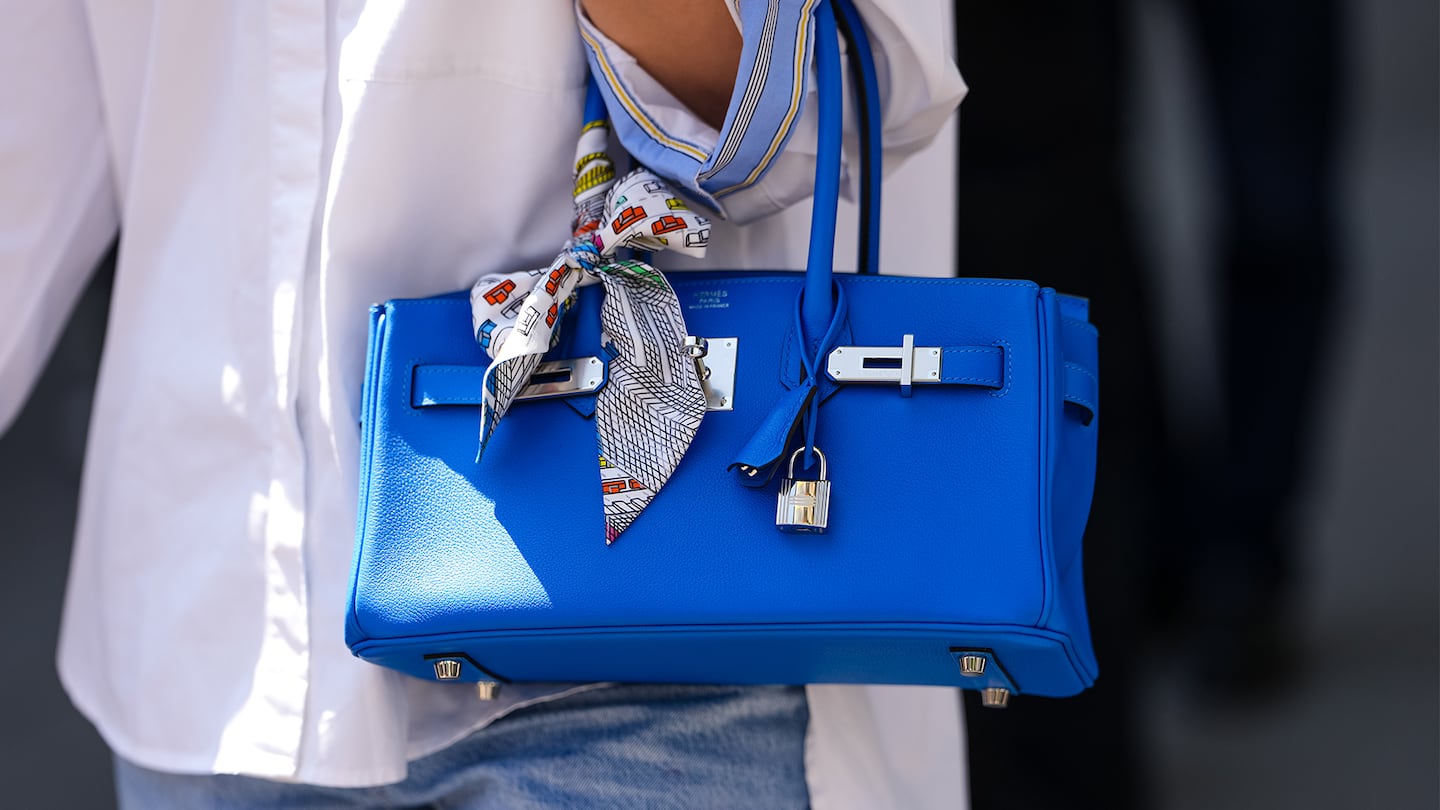
Hermès posted disappointing sales this week, dragging shares down to their lowest level in over three years. The company cited disruption from the Middle East war, including lower traffic from Middle Eastern shoppers to stores in Italy, Switzerland and the UK. But sales in the critical Asia Pacific region also suffered.
Is there something deeper going on?
The once unimpeachable brand is showing some signs of fading. It’s no secret that secondary market prices of Hermès iconic products have normalised since their 2022 peak (in line with peer icons like the Rolex Daytona). But consider another data point: recent Bernstein analysis shows in-store traffic in the all-important China market down 25 percent, in sharp contrast with Chanel (up 130 percent) and Dior (up 139 percent).
There could be several explanations for Hermès’ lost momentum — from the mildest to the most severe: (A) Hermès may simply be short of stock and may have preferred to start the year at a more subdued pace, rather than end the year on a low; (B) Hermès may be overshadowed by the many brands — including direct peers like Chanel — that have installed new creative directors and brought new ideas to the market; (C) Hermès may be resisting better than most the overall deterioration in luxury demand but may not be able to do this forever — and may finally be succumbing to it; (D) Hermès may be experiencing strain on its scarcity-driven growth formula, setting it up for a Ferrari-like valuation reset.
ADVERTISEMENT
Our diagnosis is leaning to the benign, with a temporary blip largely due to consumer distraction, more difficult comparables, and — possibly — tactical use of inventory.
Hermès’ valuation already reflects a Ferrari-like reset. Both Hermès and Ferrari set a post-pandemic valuation peak in February 2025. Both have since fallen sharply, but Hermès has been punished more severely.
We see two major structural differences when comparing Hermès and Ferrari. (1) Hermès still has a significant untapped pricing reservoir relative to Ferrari, which potentially pushed too aggressively volumes and pricing, particularly for newer hybrid models such as the SF90 and 296 GTB/S, in recent years, ultimately putting pressure on resale values. (2) Contrary to Ferrari and its risk of structural technology disruption from electric vehicles and autonomous driving, Hermès seems immune from category disruption altogether.
We are not convinced by the “end of luxury” thesis — which could justify being negative on the most structurally appealing name in the sector. For sure, the Chinese are facing a real estate crisis of the kind that takes years to resolve, but last time we checked, Chinese demand was ticking in the right direction, albeit on fragile consumer feel-good.
Further wealth and income polarisation could put stress on the established mega-brand luxury goods growth formula, which relies on aspirational shoppers as well as wealthy clients — but Hermès should be better equipped than most soft luxury peers to navigate this.
That said, we see parallels between Hermès today and Louis Vuitton in the early 2010s and believe Hermès may soon face its own “Capucine moment.” At the time, Vuitton experienced a period of slowing growth, as the most sophisticated of luxury consumers grew too familiar with the brand and went elsewhere. Vuitton responded by stretching upwards, introducing the higher-end Capucine bag, proving that the sky is the limit for a top-tier luxury label.
We continue to believe in the fundamental building blocks of the Hermès brand. Yet, we also believe that Hermès has the potential to do much more.
Luca Solca is head of luxury goods research at Bernstein.
First-quarter sales rose 5.6 percent at constant exchange rates, missing analyst expectations.
Loading recommended reads…
Gucci, Moschino, Tod’s, Institution and The Attico each offered their vision of fashion for the people as commercial pressures put the customer squarely in focus, Angelo Flaccavento writes.
A Bank of America analyst downgraded shares of the sportswear maker to underperform from neutral, pushing back expectations of a sales turnaround to 2028.
The manufacturer of the gel eye masks that broke the internet weighs in on why Fenty Beauty, Huda Beauty, and Glow Recipe announced the same product within a week.
The online backlash to the robots’ appearance at Vogue’s annual spectacle speaks to a larger feeling in fashion that AI and technology have become inescapable, despite worries they are a threat to human craft and creativity — and even humanity itself.