Puig Targets €8 Billion in Annual Sales by 2032
Ahead of its first Capital Markets Day in Madrid, the Spanish beauty group has unveiled its “Vision 2032” and detailed its plans to grow its share of the global fragrance market.

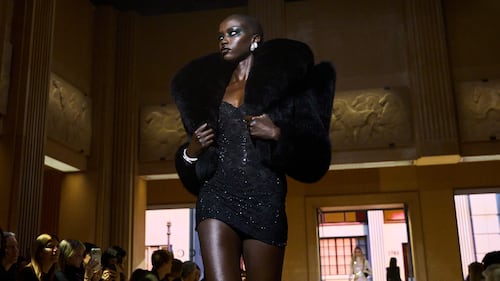
Among the takeaways from the latest round of quarterly reports from European luxury groups: China’s hurting, industry growth in the US has slowed and quiet luxury is having a moment.
New European regulations will soon force high-end brands to reveal all the stock they shred and burn to keep retail values high.
The era of buying luxury purely for status and visibility is giving way to something more personal, centred on identity, connection and self-expression, according to BoF Insights and McKinsey’s report ‘Face to Face With Luxury Clients.’

Executive president Louise Xu explains how the Shanghai-based quiet luxury label is tapping rising interest in Chinese brands, its novel retail concept and the differences between Chinese and Western consumers.
ADVERTISEMENT
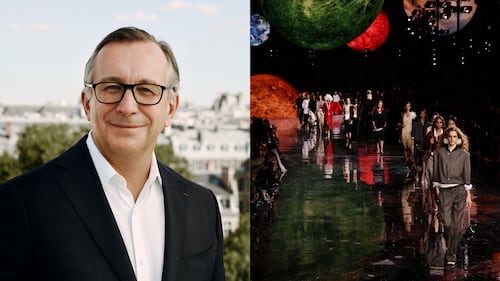
Chanel’s president of fashion, Bruno Pavlovsky, explains in our latest report ‘Face to Face With Luxury Clients’ how the French megabrand has reignited customer excitement and sales growth since onboarding a new artistic director last year.
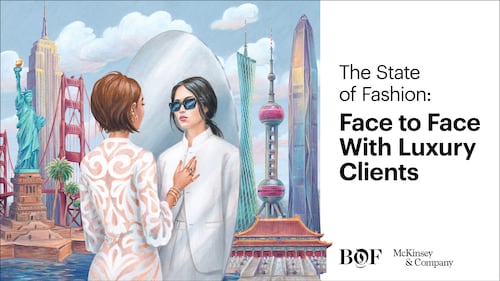
After a prolonged slowdown, luxury is gradually returning to growth, led by the US and China. Drawing on a survey of more than 2,000 clients and dozens of interviews across both markets, The Business of Fashion and McKinsey & Company find in the latest edition in our State of Fashion series a base of customers with increasingly distinct local preferences that nonetheless share an overarching desire for emotional connection.

The ultra-luxurious ‘maison’ is a big bet on London’s enduring appeal for luxury shoppers, as the sector struggles to bounce back from a prolonged downturn.
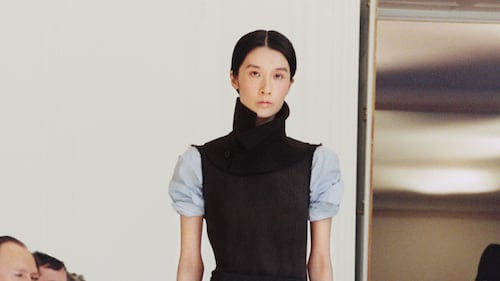
The Row and Phoebe Philo thrive as elite spenders trade overexposed mega-brands for understated, logo-free luxury, Andrea Felsted writes.
ADVERTISEMENT
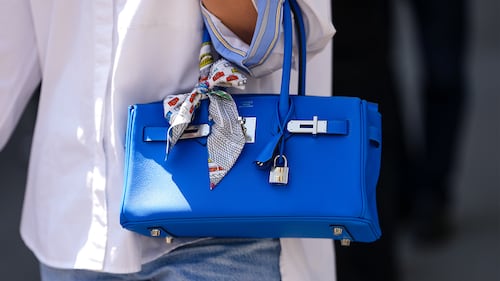
The French leather goods powerhouse is losing momentum and may soon face its own ‘Capucine moment,’ writes Luca Solca, drawing a comparison with Louis Vuitton in the early 2010s.

The leather expert and BoF 500 member joins Imran Amed to unpack the making of luxury handbags and why consumers are often paying for status over substance.

With the boom of the secondhand-luxury-goods market, an actual fund that attempts to make money off the secondary luxury handbag market is the next logical step, writes Allison Schrager.

Bumps and scratches on a Birkin bag or Cartier watch are no longer repellent for a rising group of fashion consumers — they actually make the item more desirable.
Ahead of its first Capital Markets Day in Madrid, the Spanish beauty group has unveiled its “Vision 2032” and detailed its plans to grow its share of the global fragrance market.
Private equity firms CVC Capital Partners and Cinven, along with Spanish beauty group Puig, are considering acquiring Parfums de Marly, the luxury fragrance brand owned by Advent International, two people familiar with the matter told Reuters.
The UK conglomerate raised its annual volume growth forecast on beauty, personal and home care demand, despite a lagging food sector and the impact of geopolitical conflict on costs.
The fashion editor and stylist is reuniting with longtime collaborator Alastair McKimm, chief creative officer of Wonderland parent Visual Talent Ltd.
New categories and brick-and-mortar expansion beyond North America are set to drive Aritzia’s quest to hit $10.5 billion CAD ($7.5 billion).
Sales in the Americas fell 70 to 75 percent.
The Italian label has continued to enjoy solid growth in China, defying a wider downturn in demand for European luxury. The June 11 presentation of its summer collection will be the latest in a series of travelling shows.
The German consumer goods maker marginally missed market expectations for third-quarter sales growth on Tuesday, with its key Nivea brand posting a third straight quarterly sales decline.