Agenda-setting intelligence, analysis and advice for the global fashion community.
Agenda-setting intelligence, analysis and advice for the global fashion community.


Earlier in her career as a shoe designer, Ruthie Davis had it all: she collected industry accolades, her heels were sold at Bloomingdale’s alongside brands like Manolo Blahnik, and she could afford rent on a New York office and even a PR agency to get her products on the feet of celebrities like Beyoncé.
Today, she’s her only full-time employee, operating out of a home office. She sells her designs through her website, and ships out of a repurposed garage in Pittsburgh. Granted that Davis’ label now only makes a fraction of the gross sales it did a decade ago, she’s prioritised building a smaller, profitable business instead of taking on incredible debt to appear like she “made it” within the industry.
She couldn’t be happier.
“The industry puts this pressure on you regarding the definition of success,” she said. “Everybody wants to be the next Louboutin. I realised, “No, I want to be Ruthie Davis. I want to be able to make decent money, pay my bills and be sustainable.”
ADVERTISEMENT
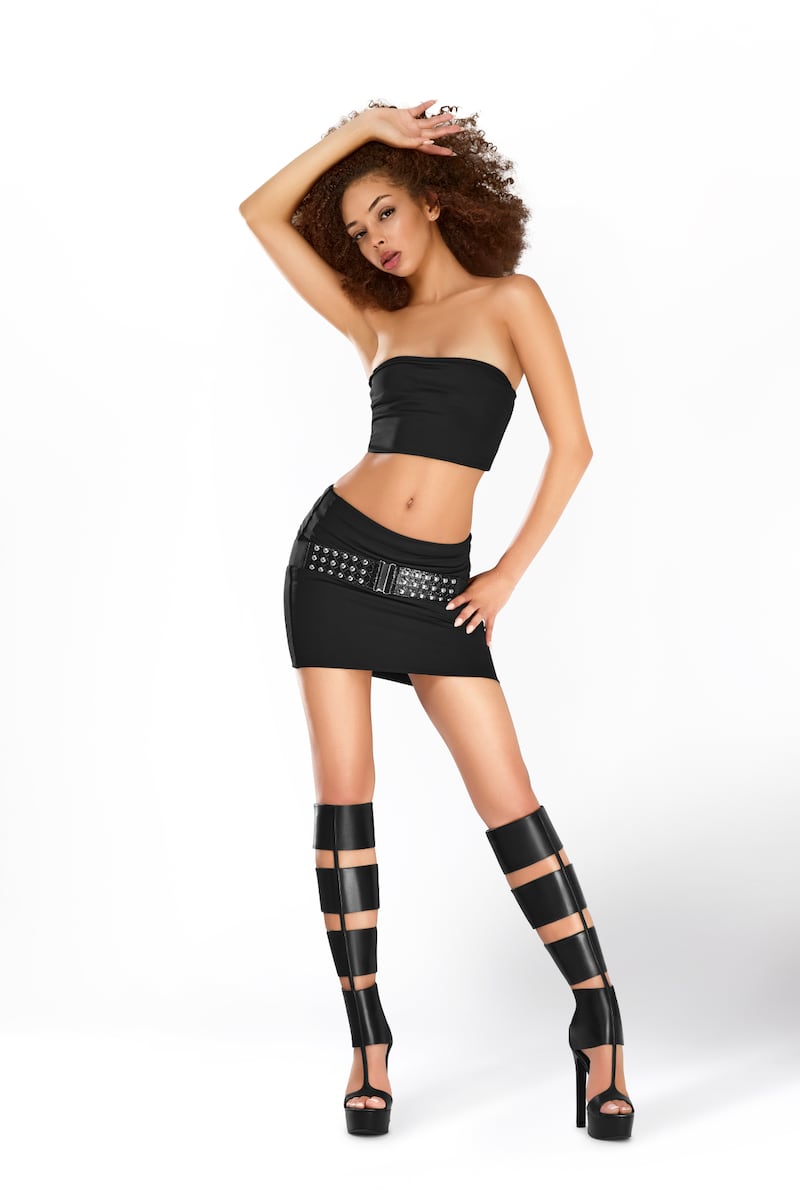
Davis’ epiphany is one response founders of small labels are having as they grapple with the cracks that have formed within the traditional fashion pipeline. The old path to growth — designing collections for wholesale buyers, lining up financing to scale and dreaming of selling to a conglomerate or going public — is looking precarious. Major multi-brand retailers, including Ssense and Saks, have filed for bankruptcy in recent years, while others have shut down owing small brands millions of dollars. Many venture capital-backed labels that experienced explosive growth saw their prospects fade just as quickly. The collapse of incubators Tomorrow LTD and New Guards Group exposed the risks involved in another avenue small brands relied on to make it.
To survive, some smaller brands are prioritising financial stability over traditional hallmarks of industry success. That can mean embracing slower, but sustainable growth, and retaining complete ownership rather than bringing on investors. Oftentimes — though not always — this approach also means forgoing aspirations to build a global fashion powerhouse. But building a business that prioritises founders and customers carries its own rewards.
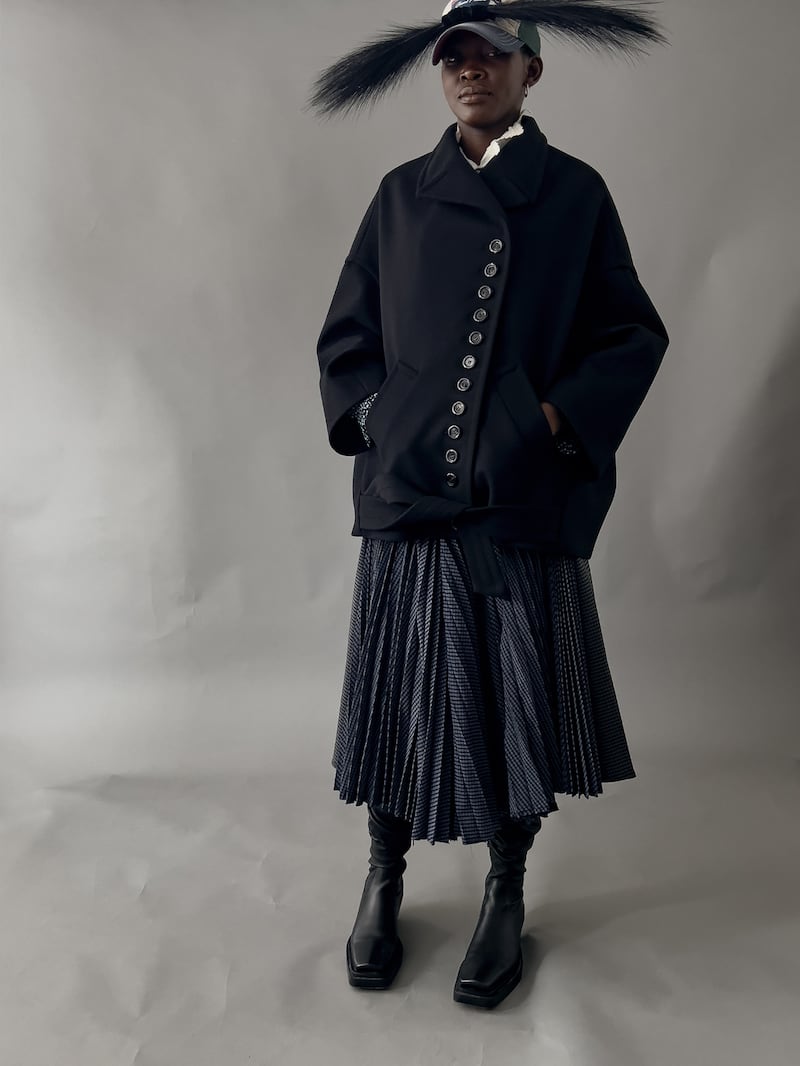
“I feel completely free, which is an amazing feeling,” said David Szeto, a Brussels-based designer who once presented at Paris Fashion Week and sold to stores like Bergdorf Goodman, but now designs commissioned garments for private clients. “I also think that the business has changed in that sense too.”
Esin Akan has sold handbags under her own label for almost 15 years. Her accessories can be found on the websites of Nordstrom, Macy’s and other big multi-brand retailers. She fulfils the orders herself.
She said she prefers working with retailers this way, rather than having her bags stocked in stores, because payments are prompt, and she can keep a closer eye on inventory. She has to handle the logistics herself, including paying for warehouse space in multiple countries. But she also won’t be getting unsold inventory shipped back to her at the end of the season.
“If you have your own stock, in your own warehouse, you can clearly spread the risk around,” said Akan. “The retailers are paying you for what they sold and it gives you a little bit more control over your stock and cash flow.”
Many brands calculate that the increased visibility of wholesale is worth the risks. Akan said drop shipping via department store websites gives her online visibility, and regular pop-ups help her gain new customers in person. Often, those face-to-face interactions prove more valuable.
“Young designers underestimate the power of that,” said Rebecca Morter, founder of Lone Design Club, which provides short-term retail leases and pop-up opportunities for emerging brands in the UK and Europe. “Online encourages you to create more and discount. It’s not connected enough to the end user to provide a strategic roadmap for growth.”
ADVERTISEMENT
The money to build a large fashion business usually doesn’t come from selling clothes alone. Founders who aren’t independently wealthy often face a choice: accept outside help, knowing there are usually strings attached, or learn to operate lean.
Davis runs her own Shopify storefront and handles her brand’s marketing efforts. These days, if she wants to work with celebrities, she contacts their stylists directly. During the pandemic, she even walked customers’ orders to the UPS store herself.
She said it was hard work, but she also feels pride knowing she is one of the smallest companies to secure an official licence to produce products with Disney.
“There is always so much you can do. I need to keep growing my brain and learn new skills. That’s my ‘next thing,’” said Davis.
Akan also sees running her label independently as a strength. By opting out of having a traditional headcount of employees to instead hire freelancers with expertise in areas ranging from paid media to logistics, she feels like her business can be more nimble.
“Every decision about positioning, product, storytelling and which retailers we grow with stays centralised and that’s deliberate,” said Akan. “Luxury brands erode when those decisions get diluted.”
A sizable piece of the fashion industry isn’t concerned with wholesale or scaling at all; they’re bespoke designers who craft garments in small ateliers within London’s Savile Row or kimonos in Kyoto.
Szeto said he’s found more satisfaction designing seasonless clothes created through real conversations with clients rather than designing larger collections with feedback given via sell-through sheets by wholesale buyers.
ADVERTISEMENT
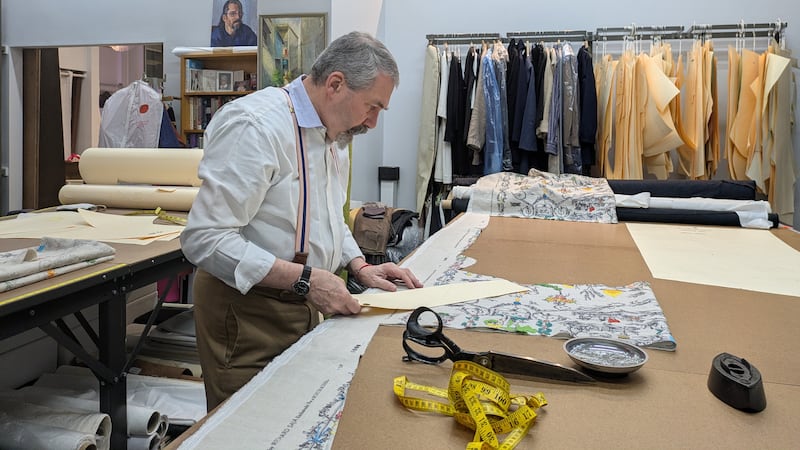
Phillip Sawyer, a professor at the Rhode Island School of Design who’s been sewing his own suits since the 1970s, echoes that sentiment. In fact, his first-ever New York City runway show was private and held inside his priest’s home in Manhattan’s Gramercy Park.
While a full suit by him takes 50–60 hours to craft, he has a clientele that will wait for it. And aside from teaching students how to actually sew and make clothes without a factory, he said what gets him up in the morning is working on new projects for clothes that stand the test of time.
“I’ve never actually ‘done fashion’ in the way people think about it,” said Sawyer. “I still wear iterations of coats I made in 1983. I once wore one to a faculty meeting once and everyone asked if I just made it. Nope, I made it 30 years ago.”
Prompted by the overwhelming response to a recent briefing about the ‘industry that eats its young,’ we’ve gathered the most vital strategies from the BoF archive to help independent designers navigate today’s fraught retail landscape.
Small fashion labels have always been shortchanged by their wholesale partners. A wave of high-profile bankruptcies has turned a structural injustice into an existential crisis. There is a better way to do business, writes Imran Amed.
Emerging and established labels today are realising they can’t be exclusively DTC or wholesale. What’s essential is to strike the right balance of both. To do that, brands are streamlining retail partners, better curating products for different channels and leveraging the individual strengths of wholesale and DTC to bolster their sales and profits in each.

Lei Takanashi is a Correspondent at The Business of Fashion (BoF). He is based in New York City and covers menswear, streetwear, young consumer trends, and the intersection between fashion and culture.
Loading recommended reads…
This week, Europe’s leading luxury groups LVMH, Kering, Hermès and Prada will show who’s pulling ahead in the stubbornly choppy environment.
Sales of gems, precious metals and artwork at Japan’s department stores climbed 19 percent in the first half of 2026 from a year earlier to $2 billion.
Though Adidas dressed both teams in the World Cup finals, the global football tournament still presented some bright spots for Nike, writes Bloomberg’s Andrea Felsted.
From our archive, the creator and host of award-winning podcast “Articles of Interest” joins BoF founder, CEO and editor-in-chief Imran Amed to explore what clothing can reveal about identity, culture, labour and the world around us.