Agenda-setting intelligence, analysis and advice for the global fashion community.
Agenda-setting intelligence, analysis and advice for the global fashion community.

For more than a decade, I have been trying to draw attention to one of fashion’s most persistent and least discussed structural failures: the way big multi-brand retailers treat the small independent designers whose work they depend on to project taste, edge and cultural relevance.
In 2013, we published a piece on BoF laying out the problem in detail — the writedowns, the byzantine compliance rules and especially, the slow payments. These weren’t isolated incidents. They were industry norms, operating at scale, at the expense of some of the most undercapitalised participants in the entire ecosystem.
At the time, it felt like a structural injustice hiding in plain sight. Today, it has become an existential crisis.
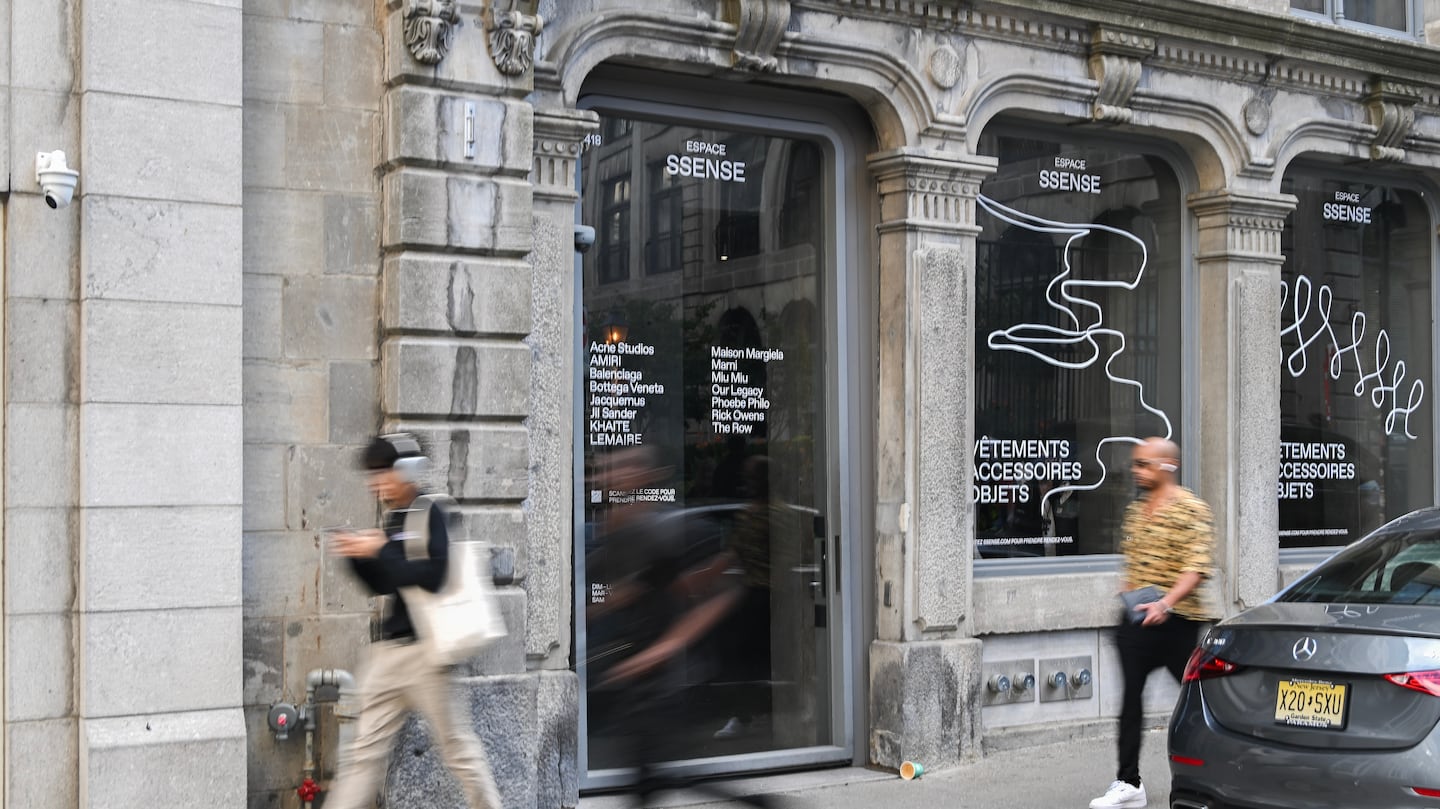
The bankruptcies of Matches, Ssense and now Saks Global have left a long tail of small brands owed money they will almost certainly never see. When a retailer enters restructuring, the focus inevitably shifts to “critical vendors” — the large, powerful suppliers whose cooperation is essential to any viable reorganisation. The emerging designers, the independent labels, the founders who took a chance on these platforms because they promised access and audience? They go to the back of the line. Often, they fall off the list entirely.
ADVERTISEMENT
The global fashion councils have responded. In a joint letter, Steven Kolb of the CFDA, Laura Weir of the BFC, Carlo Capasa of the CNMI and Pascal Morand of the FHCM wrote that they had been informed some emerging and independent designers had been told they might not be paid for goods they had already delivered to Saks Global. It is a good letter. It needed to be written. But if I am being direct: The councils should have sent a similar letter to Ssense. And before that, to Matches. Because this is not a Saks problem. It is a systemic problem that these platforms had in common — a model that extracted cultural value from small brands while transferring financial risk onto them.
Over the past few weeks, I have been speaking with designers and founders about what this moment actually means for their businesses. The word I keep hearing is existential. Some of these labels are on the brink of shutting down. They cannot pay their suppliers, or their teams, or their rent.
On this week’s episode of The BoF Podcast, Bella Freud put the underlying dynamic plainly. “The skewed way of how you get paid,” she said, “retailers more and more have conditions and sell-through. So they really use you as stock. And I think it’s partly why the whole system is collapsing now — they over-order because they don’t have any accountability.” She then recalled something from her early years selling to Japanese stores in the 1990s that stayed with me. Sometimes, she said, they would pay for their order upfront, to fund it — “and people were really supportive of each other in a way that I don’t see that happen now.”
There is a resolution here. I have always advised designers to ask for upfront deposits of at least 30 percent when they take orders from large multi-brand retailers. It protects cash flow, it signals seriousness on both sides and it reduces the catastrophic downside when a retailer hits trouble.
For most large retailers, the total volume they do with small independent brands represents a fraction of their overall business. The cash commitment required to pay meaningful upfront deposits to those brands would be negligible at the enterprise level. But for a young designer running a tight operation, knowing that 30 percent is already in the bank before production begins changes everything. It is the difference between a business that can absorb a shock and one that cannot.
These big multi-brand retailers may have all the leverage in the relationship with indie brands. But several of them have been asking me how to bolster their reputations. The industry already invests considerable energy in discovering, celebrating and awarding new talent. The prizes, the features, the editorial spreads — they matter. But attention without structural support is not a business model. What young brands need more than recognition is an industry that operates in a way that allows real businesses to survive and grow.
Paying people what you owe them, and doing it on time, is the best place to start. That’s just good business.
I’d love to hear your feedback, questions and comments. Please feel free to send an email to editor@businessoffashion.com or leave a comment on Instagram.
Loading recommended reads…
BoF commercial features editor Dan Hastings joins Sheena Butler-Young on The Debrief to explore how rising tuition costs and the disruption of AI could give fashion a new opportunity to attract young workers to careers in tailoring, patternmaking and other skilled trades.
Sales rose by the most in five months in a broad advance, showing consumers continued to spend despite rising gasoline prices.
The sunscreen label has appointed former Coty executive Jamie Parker to the newly created role as it gears up to become a “global skin health company.”
The underwear juggernaut has been hard at work revitalising its offer by returning to its glamorous roots. But its massive cosmetics and fragrance business has been slower to transform.