Agenda-setting intelligence, analysis and advice for the global fashion community.
Agenda-setting intelligence, analysis and advice for the global fashion community.

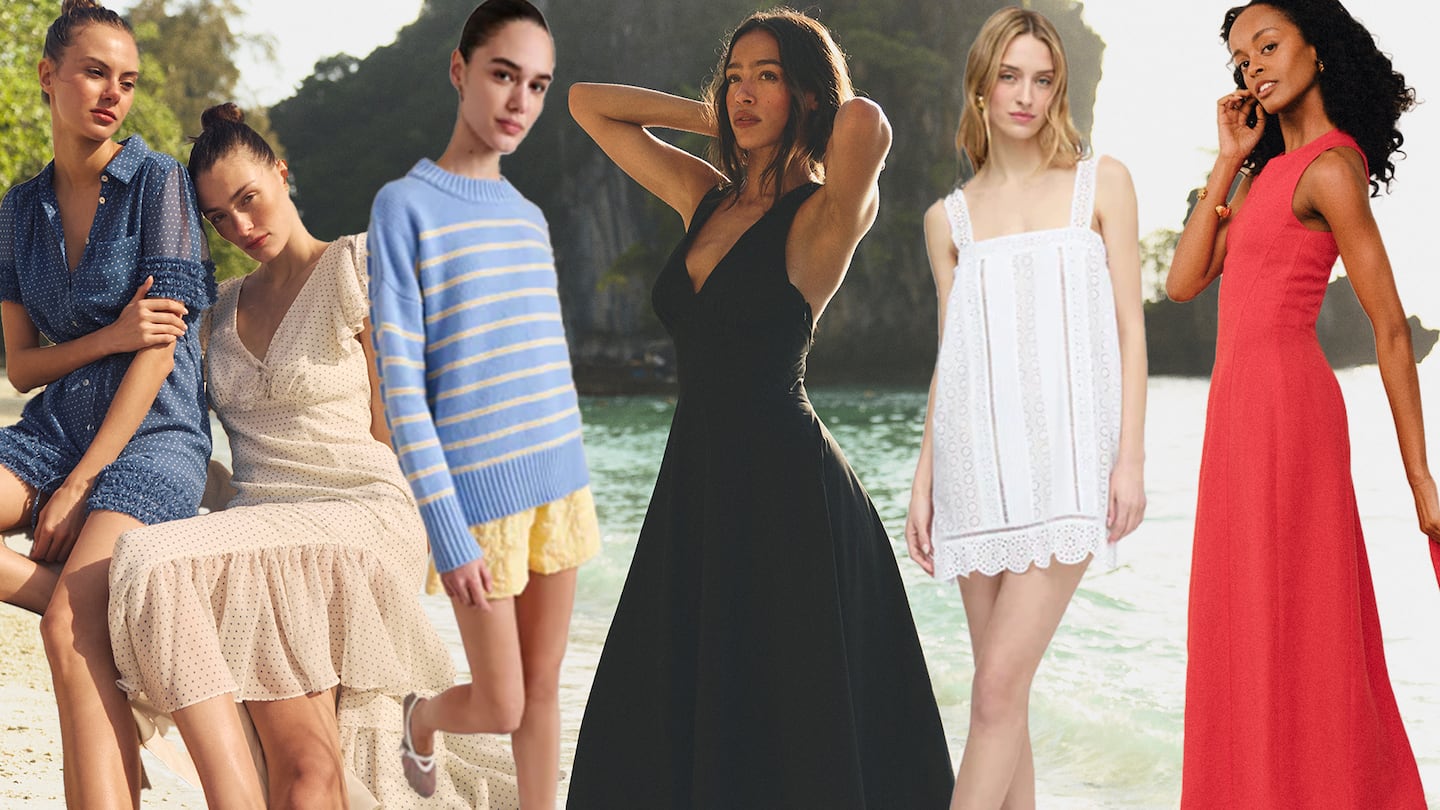
There was something in the air in 2016.
At the height of the direct-to-consumer boom, so-called disruptor brands like Everlane, Glossier, Allbirds and Outdoor Voices were at the top of their game, with millions of funding in venture capital that funded rapid growth, earning industry attention and accolades in the process. This cohort of high-profile startups was billed as retail’s future.
More quietly, a different group of fashion startups was emerging. For the most part, these primarily women-led apparel businesses eschewed the playbook of the era, in part by choice and circumstance: Some simply couldn’t raise capital. So, rather than pouring money into social media ads, they embraced influencer marketing and wholesale, the latter a practice unthinkable by DTC evangelists at the time. The wider public didn’t pay them as much attention, but that meant they were able to make mistakes without scrutiny.
This group of lesser-known brands founded in 2016 includes La Ligne, which has won a devoted fanbase for its striped sweaters and pull-on trousers; Hill House, known for its viral Nap Dresses; occasionwear brand Cinq à Sept; workwear label Argent; and Los Angeles-based brands Dôen, The Great and Staud. In that same year, Catherine Holstein launched Khaite and Emily Adams Bode founded her namesake label, which would soon become a menswear phenomenon.
ADVERTISEMENT
Ten years in, while the DTC stalwarts have all but faded from their former glory, many of these businesses are thriving. Most, like Doên and Khaite, have crossed over $100 million in annual sales, while others, like Staud, are soon set to surpass $250 million. While Glossier continues to scale back its retail footprint, for instance, Hill House is opening seven stores within the next year and a half. Everlane, Outdoor Voices and Allbirds have all sold for fractions of their former valuations; meanwhile, Doên and Argent are raising fresh rounds of capital to fuel their next stages of careful growth.
Prior disadvantages such as a lack of outside capital and less industry attention ended up being the very factors that set them up for success.
“Our limitations became our differentiators,” said Doên founder and chief executive Margaret Kleveland. “We avoided a lot of mistakes: poor purchasing practices, making giant inventory bets without really understanding the customer and the distribution strategy.”
Today, the class of 2016 is plotting next steps, including retail expansion and new product categories, all funded by their own profits. Their success and sustainable growth model offer lessons for the next generation of fashion businesses as the industry navigates a competitive landscape, customer acquisition costs that have skyrocketed and even trickier, how to retain a customer who’s more discerning than ever.
In the era of flowing capital, the most well-funded brands spent lavishly, hiring creative agencies to develop a full visual brand identity and running endless ads on social media. But that cushion ended up diverting focus from the fundamentals of the business.
Not every member of this class of 2016 avoided outside capital. But the difference lies in their patience and cautious approach toward profitability.
Dôen, for instance, raised about $500,000 prior to launch, not raising again until last June. Hill House raised a $6 million Series A in 2021 and then a $20 million Series B in 2022 only after the breakout success of its nap dress during the pandemic.
For La Ligne, which has raised a total of $4 million, profitability was the goal from the get-go, according to chief executive and co-founder Molly Howard. The revenue that would have come from spraying social media with ads to customers, Howard said, would have been artificial.
ADVERTISEMENT
“The health of the company came first and foremost. We needed to actually make money,” she said. “Otherwise, what were you doing?”
Of course, that mindset involved sacrifices: La Ligne spent $0 on marketing until it was profitable. But it also paid off, with the company hitting profitability within two years.
Reaching customers without much of a budget requires creativity. Though both raised outside capital, Hill House and Argent kept marketing spend low at the start. Hill House founder Nell Diamond leaned on influencer marketing, then a relatively untested tactic, allowing them to develop relationships with smaller creators whose own platforms have grown alongside the brand. Argent founder Sali Christeson hosted pop-up shops at women’s conferences across the US to spread the world. Cinq à Sept started selling wholesale because founder Jane Siskin had seen its exposure power in her previous roles leading denim label Seven for all Mankind and Mary-Kate and Ashley Olsen’s contemporary brand Elizabeth & James.
Taking on investment to fuel specific strategies for scaling is key, according to Diamond. Plus, she added, choose investors that understand you and your vision, and won’t push for something unsustainable.
“I’m able to maintain control of the company in a way that helps me sleep at night,” she said.
Less money also meant less to spend on inventory. While in the early days that could mean quick sell-outs, it also forces a brand to understand exactly what the customer wants — something that brands like Everlane and Allbirds struggled to keep up with after their initial success.
One advantage of smaller order sizes was not having to deal with massive amounts of product before being able to iterate, said Orlagh McCloskey, the co-founder and creative director of London-based label Rixo, which was founded in late 2015.
“When you haven’t spent so much money, you can [do] testing, trying and tweaking very quickly,” she added.
ADVERTISEMENT
For Hill House, a relatively small inventory commitment to bedding meant that when it saw the overnight success of its smocked nap dress in 2019, the brand was able to pivot immediately, said Diamond. Today, the company still sells homewares, but fashion makes up over 90 percent of sales.
For these brands, identifying a real reason to exist in the market rather than relying on ads to acquire as many customers as possible required practicing prudence in what trends to embrace and listening to customer feedback. As Argent has grown, for instance, it has expanded its offering to include more trend-centric pieces like tops and denim, but all through the lens of workwear, while retaining its core assortment of suits, slacks and skirts.
“Brands that are focused on trends are always forgetting Sarah in Oklahoma who goes to a law firm every day wearing a suit,” said Christeson.
Whereas the DTC darlings may have pushed for extreme, fashion’s class of 2016 was careful in selecting the right moments to bring their brand to a wider audience.
Diamond always knew she wanted to sell via wholesale, but waited a few years to do so. Still today, she has just a few wholesale partners, including Nordstrom and Shopbop, and they represent a single digit percent of sales. La Ligne has opened 10 stores across the US, but has waited on international expansion. Kleveland said Dôen had earlier interest in collaborations, but its 2024 team-up with Gap came at a time when it felt it had built enough name recognition on its own. The tie-up was such a success the two launched another collection in 2025.
“People feel an emotional connection to the brand because of those five years spent getting to know the customer and building the brand on the backs of their feedback,” said Kleveland.
Retail and product expansion is on the horizon for nearly all of the 2016 standouts. La Ligne is set to open at the Montecito Country Mart this summer. Dôen is opening four stores this year and Cinq à Sept will open two locations with a third to come in 2027, doubling their current brick-and-mortar footprint. Staud closed out 2025 with the opening of a new flagship store on Melrose Avenue in Los Angeles as well as its second New York shop on Madison Avenue. Much of this expansion is funded by the businesses’ own profits.
Even if they’ve emerged squarely out of startup territory, their scrappiness remains. La Ligne co-founder Meredith Melling Burke still attends the brand’s trunk shows, while Siskin said Cinq à Sept is careful not to open too many stores too quickly so they can find the right locations. Rixo has had to hold back on doing more stateside pop-ups after unexpected costs like tariffs arose last year.
“I’m torn all the time because I look at what other people are doing and think, ‘Should we be doing that? Are we too quiet?’” said Siskin. “Making a lot of noise may seem very valuable, but we’d rather invest in a long-term strategy.”
Loading recommended reads…
The German conglomerate and Schwarzkopf parent lifted its annual sales forecast, though growth for its adhesives unit outpaced its consumer brands.
The resale marketplace beat sales and profit expectations but said its purchase price for Depop was $200 million more than initially announced.
As Meta’s AI-powered advertising system demands a growing supply of creative content to feed to users, fashion brands face a new challenge: how to keep up without sacrificing brand identity.
With sales at its core line in decline, the company is tweaking everything from price, geographic distribution and categories to rebuild momentum.