Agenda-setting intelligence, analysis and advice for the global fashion community.
Agenda-setting intelligence, analysis and advice for the global fashion community.
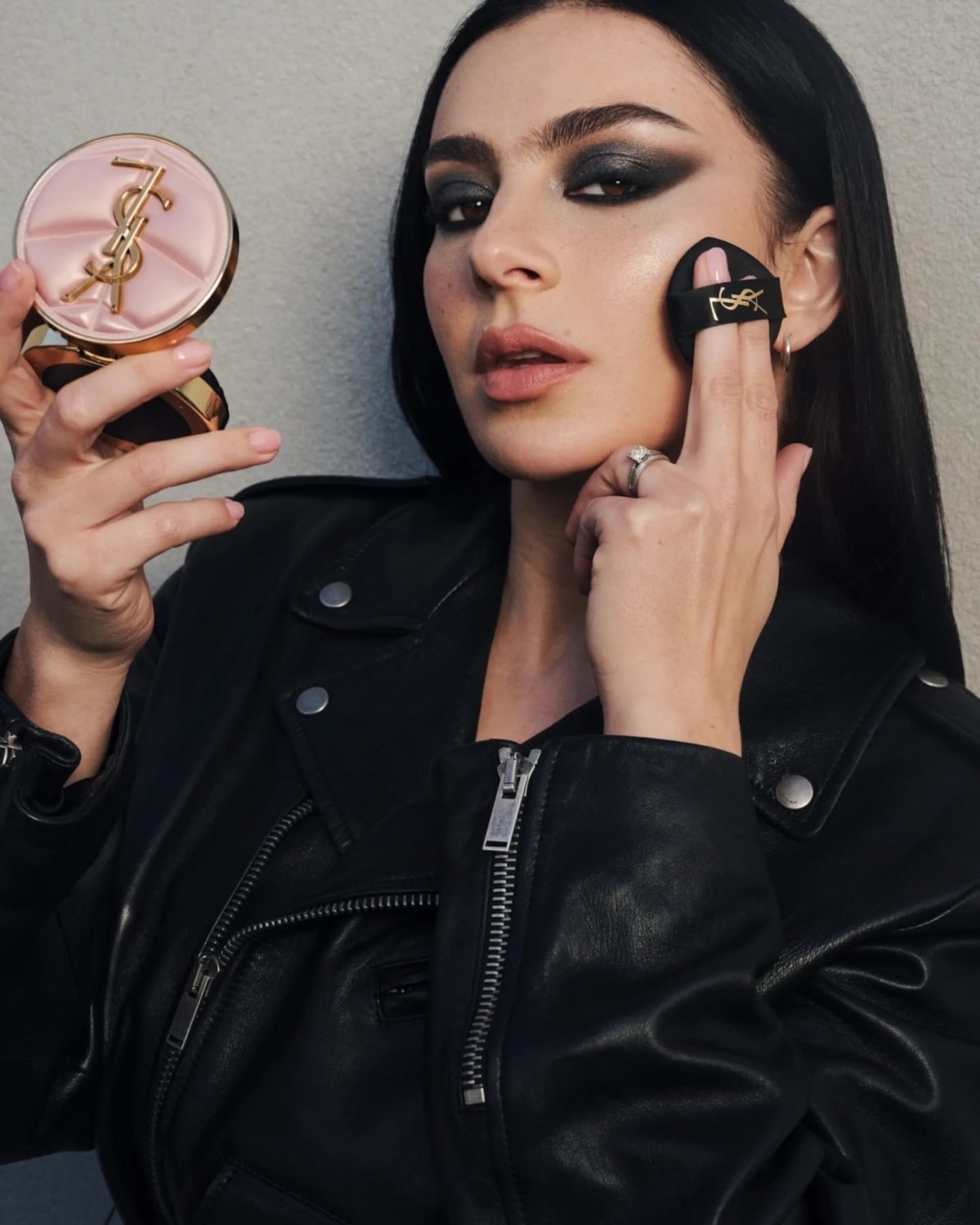
To the shock, ecstasy and bewilderment of her fans all around the world, the pop star Charli XCX recently decided to go rock and roll.
In the first seconds of her music video for “Rock Music,” just after stubbing her cigarette out on her room service breakfast and just before licking the face of the video’s director Aidan Zamiri, Charli XCX leans over a hotel vanity and applies a fresh coat of Yves Saint Laurent Candy Glaze lip gloss — a surprise bit of product placement that was explained a few weeks later when she was announced as the latest US face of Saint Laurent’s cosmetics collection, YSL Beauté.
Iconic, some might authentically say, of the pop star and the house’s link-up. Yves Saint Laurent’s beauty line has a long history, dating back to the designer house’s fragrance launch in 1964 followed by cosmetics in 1978. (YSL Beauté, like Charli XCX, underwent its own rock revival in the early 2010s when the designer Hedi Slimane helmed the fashion brand.) For decades, and especially since L’Oréal took over the license from Kering in 2008, the house has remained one of the few bankable beauty businesses to spring from a fashion house and survive between several designer regime changes. Last year its scent Libre, fronted by Dua Lipa, became the world’s number one women’s fragrance.
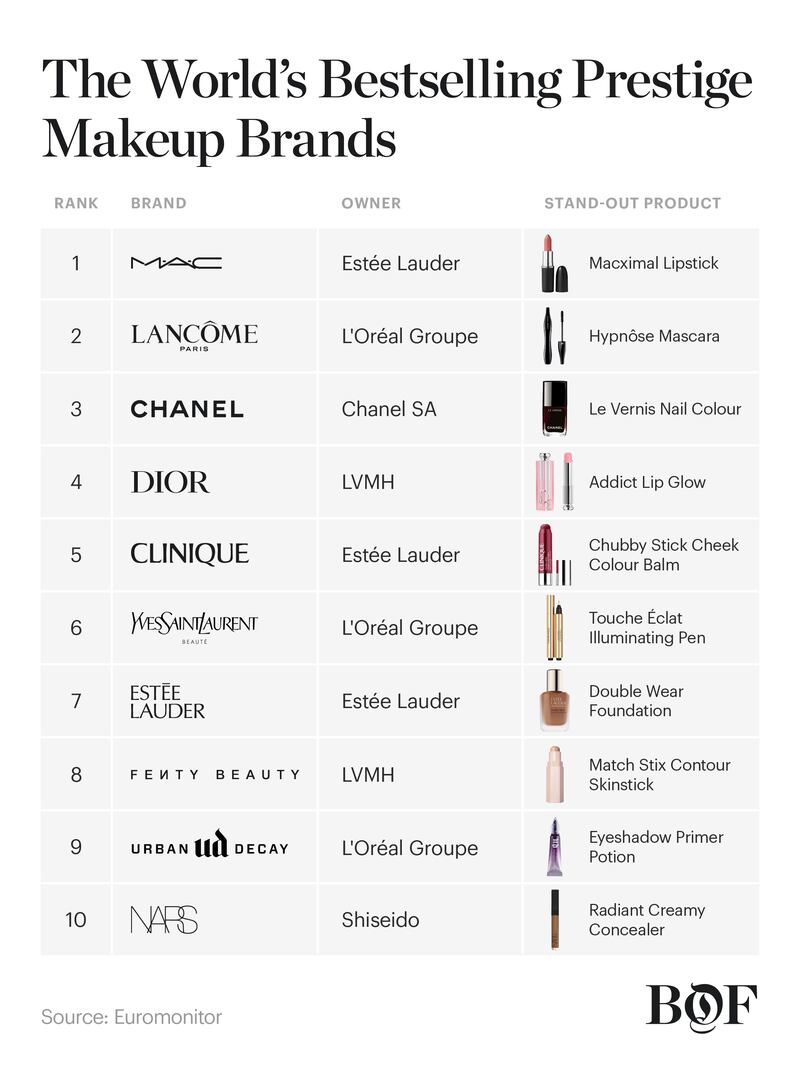
L’Oréal doesn’t break out sales for its Luxe brands, but chief executive Nicolas Hieronimus said in a 2025 earnings call that it was “not far” from €3 billion ($3.4 billion) in annual sales, and added this year that it was bigger than the brand’s fashion business, which exceeded $3 billion in revenue in 2025. As L’Oréal’s gladiator in global designer cosmetics, YSL is outsold by Dior and Chanel, but is the sixth bestselling prestige makeup brand in the world, according to Euromonitor.
ADVERTISEMENT
The cosmetics proposition, which produced hits like the Touche Éclat highlighting pen, has long been overseen by makeup artists, but under president Renaud de Lesquen — who took over the brand under L’Oréal — the makeup label began targeting a younger shopper who wasn’t necessarily browsing Saint Laurent ready-to-wear.
“What they wanted to do was be as like [Slimane] and his customer as possible — significantly younger, much cooler,” said Lloyd Simmonds, the makeup artist who was YSL’s creative director from 2010 to 2017.
Under the subsequent leadership of global president Stephen Bezy, YSL has maintained that edge but still managed to move in step with a changing beauty culture, tapping global ambassadors like Dua Lipa and local talent like Lila Moss, Amelia Gray and Charli XCX and appointing Sam Visser as a global makeup artist. It also has created marketing moments to match, like its TikTok-worthy roving Lovenude Hotel for its new lip assortment in Tokyo, Shanghai and Kuala Lumpur. This year, Bezy moved on to look after the incoming Creed, Bottega Veneta and Balenciaga brands; he was succeeded by Yann Andrea in April, who joined from Prada Beauty.
As designer beauty’s competition intensifies, not only within L’Oréal with Kering’s stable of brands set to enter the fold including Gucci, but also Chanel and Dior who are making concerted efforts in wellness and luxury, YSL’s continued success lies firmly in makeup. Artists like Visser, alongside key talent like Charli XCX, can make young consumers care about runway makeup again — if the brand can bring down its strategic walls between fashion and beauty.
“Smart brands realise there is a synergy that can drive both sides of the business,” Simmonds said.
As creative director of YSL Beauté from 1983 to 1998, Terry de Gunzburg’s career preceded the heyday of the celebrity makeup artist. But consumers of the brand today are likely still fans of her work, or at least one of her creations: the Touche Éclat.
The tinted cream, clicked from a pen onto a small brush, is neither a concealer nor a highlighter but both: the kind of innovation that can only come from a makeup artist. Touche Éclat has remained a hero product for decades.
“I use almost everything from YSL,” said Sabrina Shorb, or @beautylookbook, a creator who reviews designer makeup for over 120,000 followers. Touche Éclat is unmatched, but she’s partial to the brand’s new cushion foundation and high-octane eyeshadows. “Chanel [beauty] is more timeless, but YSL is more of the modern luxury beauty brand,” Shorb added.
ADVERTISEMENT
By the 2010s, and the dawn of Instagram, YSL Beaute’s strengths were in high-margin complexion (with its foundations and Touche Éclat) and eyes (namely its mascara) before it went all-in on lips. Its Rouge Volupte lipstick (2008) has been transformed into sheer gloss (2014), tint-in-oil (2015) and tint-in-balm (2017): More recently it launched its Lovenude collection in March 2026 with a matte lipstick “blusher” ($50) and liner ($35). The prestige makeup category grew sales 4 percent in 2025, while YSL’s business surged over 15 percent, a source close to the business said, citing Circana data. .
The brand’s co-creation with makeup artists — like Gunzburg, Simmonds and Tom Pecheux — have helped it keep ahead of the trend cycle, said Euromonitor’s Fflur Roberts. Dior takes a similar approach with the maestro Peter Phillips, who was hired from Chanel and benefits from LVMH’s integrated fashion-beauty structure.
But designer labels like Dior and YSL are a small part of the prestige puzzle, comprising 10 percent of dollar sales and 5 percent of units sold. Over the past two decades, shoppers have flocked to either makeup artist brands or celebrity labels, significantly diluting luxury makeup’s share of prestige.
“In general, makeup is a very mass-focused business,” said Larissa Jensen, beauty analyst at Circana.
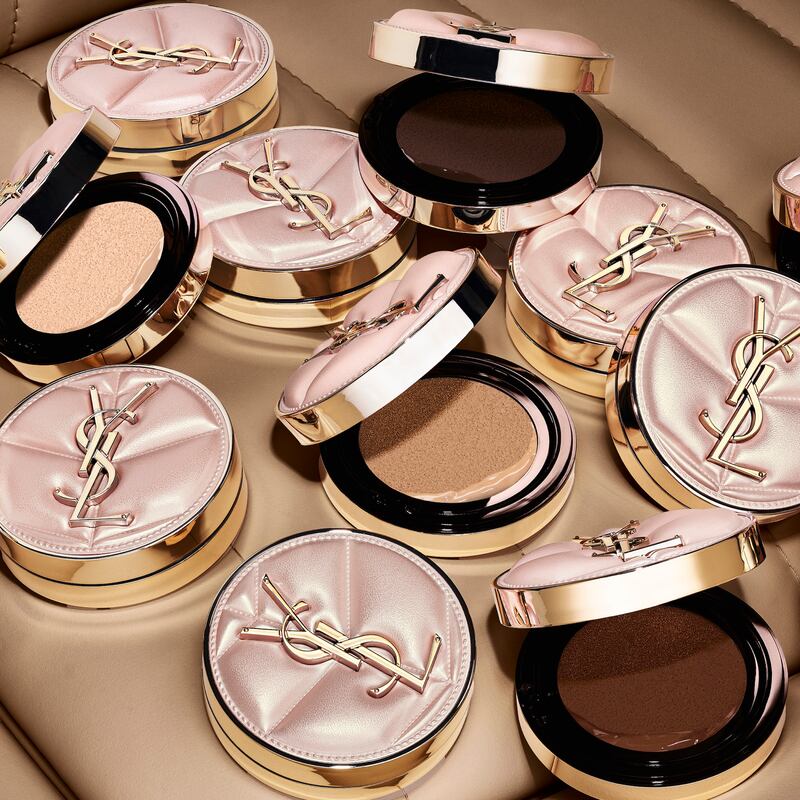
Artists like Charlotte Tilbury, who helped develop Tom Ford Beauty’s range, now skip straight to starting their own lines. They also have become better at promoting their own brands on social media, a realm YSL has yet to meaningfully crack.
If the problem is getting younger shoppers to care more about YSL, the solution may lie in Visser, the cosmetic virtuoso who became a US ambassador for Dior at 21. Visser’s decadent, technical excellence, and his friendship with clients like Kaia Gerber and Bella Hadid, have made him something like a Gen-Z Tilbury. Visser was signed by YSL Beauté in February 2025 as a global makeup artist, and has flown around the world to deliver masterclasses and prepare faces like Amelia Grey for the Golden Globes.
Still, Visser’s role at YSL Beauté illuminates a gulf between the house’s fashion and beauty businesses, typical of many designer businesses due to their beauty licensing structure. As Demna’s choice makeup artist during his Balenciaga tenure, Visser’s most exciting work since his YSL appointment has been his makeup for Gucci’s recent Fall 2026 and Cruise 2027 shows. Saint Laurent’s recent shows, meanwhile, have been done by Pat McGrath, who used her own label backstage at the label’s Fall 2026 show, teasing a new dual-ended lip product.
YSL would be wise to integrate Visser deeper into its fashion structure, or else find an artist who they can more effectively control, despite Kering and L’Oréal existing as two separate entities. Once L’Oréal takes on Kering’s other brands — namely Gucci, which will be Visser’s line to lose — it’ll be all the more important to differentiate YSL Beauté’s makeup offering.
ADVERTISEMENT
The brand faces softer spots in other areas of its assortment, like its oft-forgotten skincare line, and could benefit from bringing a fashion-adjacent facialist into its fold — or from eliminating the category entirely and reinvesting in its core businesses. Designer skincare is set to get more competitive; one source said that Louis Vuitton, which launched its makeup collection with McGrath, was exploring adding a skincare assortment. (A representative for LVMH said that no skincare project is in the works currently.)
Compared to its stablemates, YSL was early to implement “immersive brand experiences” as a core of its marketing strategy, according to Roberts. This past spring, it hosted a “Drive-Thru” in Indio, California during the first weekend of the Coachella music festival, with Miguel headlining a VIP party. It’s also staging roving pop-ups for its recently launched Lovenude Lip Blusher and Kiss Liner, erecting a “hotel” concept in Paris, Shanghai and Tokyo and throwing block parties in Kuala Lumpur and Belgrade. (Lip liner is one of the few categories in prestige beauty outpacing mass, said Jensen, with sales surging 34 percent this year.)
The brand marketing minds at YSL Beauté understand a key shift in luxury shopping calculus, Roberts pointed out. “Selling beauty is no longer just about products, but about the experiences and connections that surround them.”
But channel dynamics are changing fast. Like luxury fragrance, pricey makeup is a business that is still relegated to department and specialty stores. YSL sells well at retail, especially in key franchises like Lovenude, Loveshine and Touche Éclat, but has yet to crack the top five of any Sephora makeup categories, a source close to the retailer said.
YSL could do more to compete in the digital realm as the industry moves toward convenience. It has yet to launch on Amazon, where brands like Estée Lauder and Lancôme have recently set up shop.
The brand has a much bigger opportunity on TikTok Shop, which is fast becoming a leading global beauty retailer. While its luxury positioning may feel at odds in the app’s click-to-purchase environment, brands like Dior have been able to compete by converting TikTok hype for its fragrances and Lip Glow into DTC and retail sales. YSL Beauté could still beat its competitors to set up an official shop on the app, where its target customer increasingly spends their time.
YSL Beauté’s biggest strength, as a beauty brand that continuously strives to meet the moment, is also its biggest liability. Simmonds admires its continued relevance. “I like the fact that they’ve made [the brand] relatable. It’s not so abstract. It’s less old-timey, less fashion magazine. They’re trying to communicate with a person.”
Sign up to The Business of Beauty newsletter, your complimentary, must-read source for the day’s most important beauty and wellness news and analysis.
The trend, characterised by glowing skin, fluffy brows and fake freckles, successfully ended an era dominated by high-glamour makeup. The standards it has set will shape the kinds of cosmetics that consumers will want for years to come.
Beauty teams have long traded work for credits. That arrangement is ridiculously outdated, writes Sam McKnight.
In search of greater ownership — both of image and revenues — more fashion houses are wresting back control of their beauty licences. But running a beauty business can stretch otherwise well-resourced, powerful companies beyond their capabilities.

Brennan Kilbane is News and Features Editor at The Business of Beauty. He is based in London, and supports BoF’s coverage of the multifaceted cosmetics industry, from fine fragrance to wellness trends.
Loading recommended reads…
As Milano Beauty Week closes its biggest edition yet, Cosmetica Italia and its partners are betting that the country’s entire beauty ecosystem can become a brand in its own right.
The ultra-fast fashion company said sales had been bolstered by marketing partnerships with music festivals, a pop-up shop on London’s Oxford Street and local Christmas gift events.
Frasers Group is expanding its holdings in luxury and retail brands, but what it wants from those investments is not always clear.
Tim Blanks joins Imran Amed on The BoF Podcast to discuss why the season’s strongest statements — from Erdem and Simone Rocha in London to Rick Owens, Miuccia Prada and Matthieu Blazy at Chanel — came from designers acting on conviction rather than consensus.