Agenda-setting intelligence, analysis and advice for the global fashion community.
Agenda-setting intelligence, analysis and advice for the global fashion community.


What's up, down and making news this week in the fashion and beauty businesses.
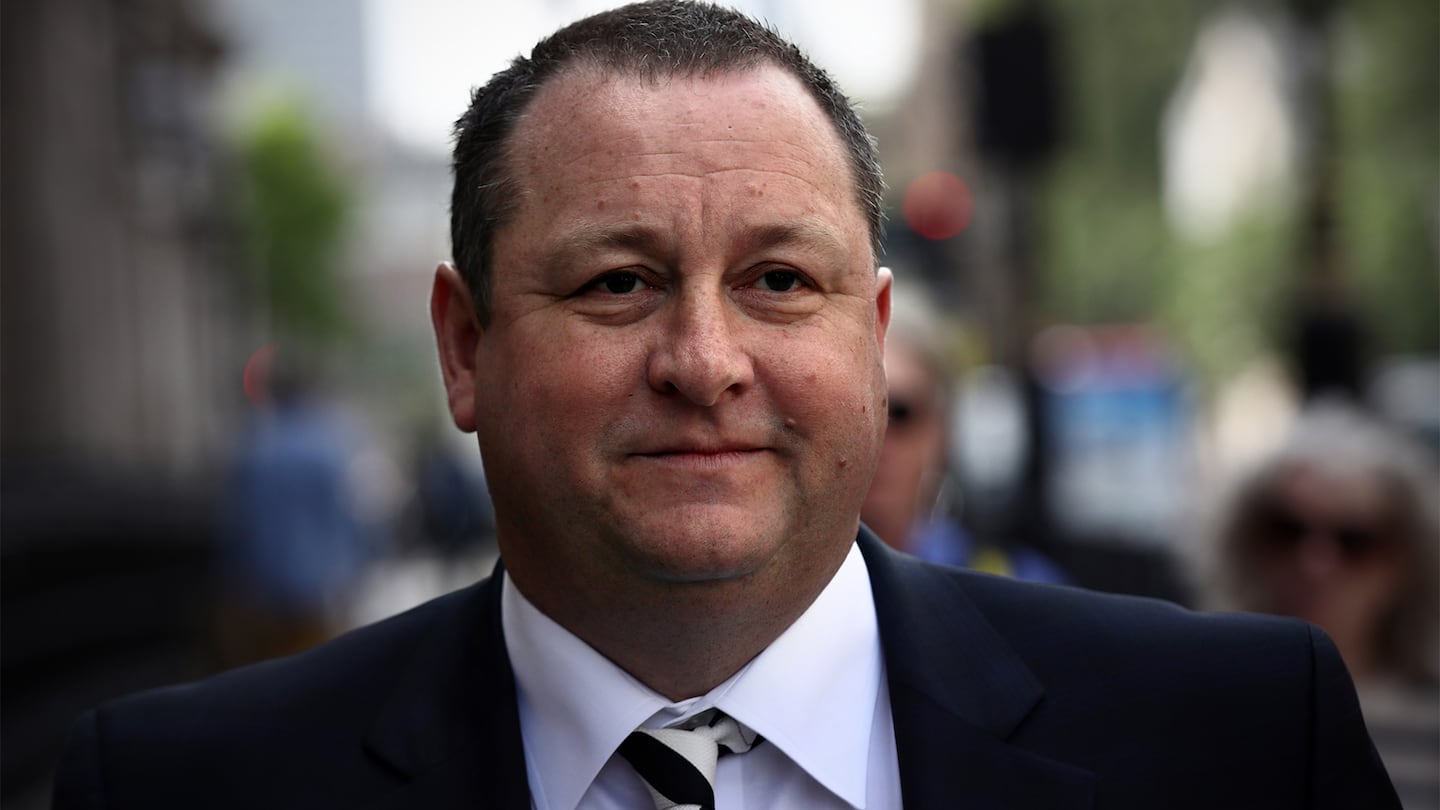
Mike Ashley just won’t quit.
This week, the British billionaire’s retail empire, Frasers Group, increased its stake in Burberry and created a new division to house the group’s luxury assets. News also emerged that the group had previously acquired an 8.8 percent stake in Under Armour.
Look back over the past several months and the list of deals gets even longer. There are takeover attempts of Hugo Boss and Australian footwear group Accent, a big jump in its stake in Puma (a deal that closed this week), the acquisition of upscale department store chain Harvey Nichols and an increase in its share of UK online retailer Asos.
Together, these moves give Ashley more power in the wider fashion ecosystem and widen his influence beyond Frasers Group, which already owns luxury multibrand retailer Flannels, House of Fraser department stores and retailer Sports Direct.
ADVERTISEMENT
Individually, however, they don’t appear to share any singular motive beyond being opportunistic. Some give Frasers exposure to companies it believes are undervalued, while others can strengthen its leverage with brands it stocks or open the door to a bigger role in a business.
The line between Frasers’ gradual stake-building and its outright takeover attempts is not always clear, for example. A minority investment can be a way to profit from a company’s recovery, but it can also provide a foothold for a more ambitious move.
Hugo Boss is a case in point. Frasers built up its position in the German fashion group before launching a takeover offer in June. Although the bid fell short, Frasers did end up with a 48 percent stake and has said at some point it would seek to pass the 50 percent threshold.
Burberry management will have taken notice. While Frasers increased its stake in the brand this week to a still relatively modest 6.3 percent — up from 4.2 percent — it made Ashley one of Burberry’s largest shareholders, raising the question of whether he might eventually seek control of Britain’s biggest name in luxury fashion.
Burberry’s £3.75 billion ($4.97 billion) market value is substantial, but not prohibitive for Ashley. The company also lacks a dominant shareholder and its shares have lost half their value since the middle of 2023. For a perennial bargain hunter like Ashley, those conditions might make it hard to stay put at 6.3 percent.
Ashley’s penchant for M&A hasn’t always been good for Frasers, which in late 2023 acquired troubled luxury e-tailer Matchesfashion only to put the company into administration three months later. Frasers also took a steep loss on its investment in Debenhams and has had to pare back the number of House of Fraser stores.
But whatever the endgame, Ashley and his son-in-law, Michael Murray, who is chief executive of Frasers, have shown an appetite for buying into struggling businesses. The Under Armour investment comes with the stock down 90 percent from a 2015 peak and near a 16-year low. This looks more like a financial investment than a bid for control, as founder and chief executive Kevin Plank controls almost two-thirds of voting rights.
At a Frasers cocktail party in Paris this week, Murray said he sees an opportunity for Frasers to act as a wholesale partner to brands in second-tier US cities, filling a role left by retreating department stores, and to help them with logistics expertise. He also said the group will sell its stake in a luxury or retail company when it determines it has little more to contribute to that company.
The buying spree has led to an increase in debt — which reached £1.26 billion in April, up from £941 million a year earlier — just as borrowing costs are growing. A near-term rate increase by the Bank of England is likely on the horizon.

Eric Sylvers is Milan Correspondent at The Business of Fashion. He is based in Milan and leads BoF’s coverage of all things Italian.
Loading recommended reads…
The New York Times photographer and style columnist joins Imran Amed on The BoF Podcast to discuss why practice makes permanent, the blind spot he had to admit to himself and why the style he looks for is meant to feel within reach.
In Panipat, 1 million tons of used clothing a year are turned into products for global brands, but dangerous machinery and few safeguards mean life-changing injuries are common
The struggles of Nanushka and Coperni expose the challenges of turning a promising label into a sustainable business, even after successfully building a global customer base and distinctive visual identity.
What to keep and what to change when a brand changes designers? Pierpaolo Piccioli’s brief stint at Balenciaga and Kering’s effort to course correct by bringing in Martine Rose offers learnings for houses seeking creative renewal.