Agenda-setting intelligence, analysis and advice for the global fashion community.
Agenda-setting intelligence, analysis and advice for the global fashion community.

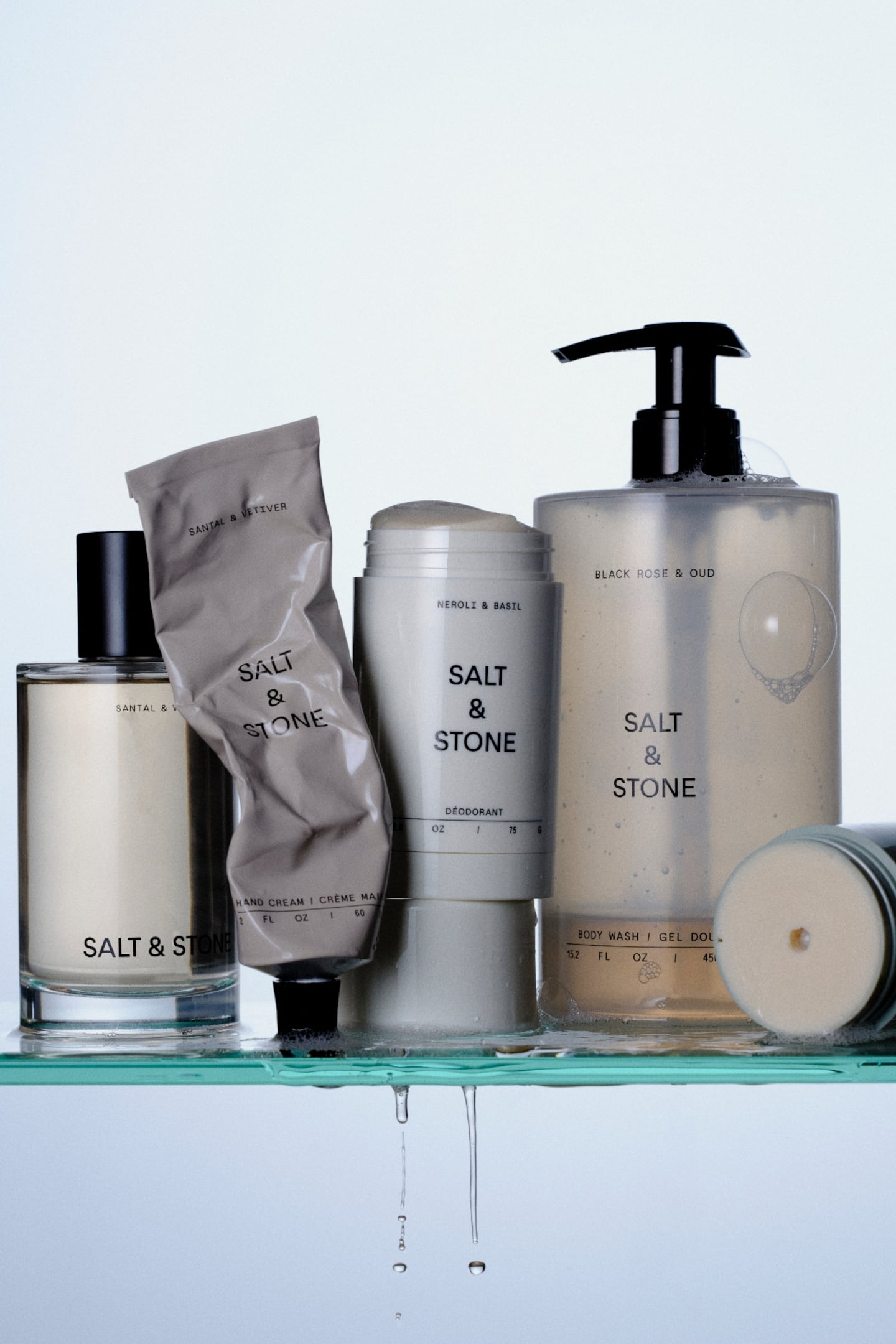
Salt & Stone has been acquired by Advent International, the two companies announced on Monday. The deal is expected to close in April; financial terms were not disclosed.
Founded in 2017 by former professional snowboarder Nima Jalali, the US brand originally launched with a sunscreen but has become better known for its premium body care products like deodorant, shower gel and body spray. Jalali, alongside the brand’s president Meagan Rosson and chief marketing officer Abby Tellam, will remain in key leadership roles.
“I have big ambitions … we’re building a legacy brand that we want to be here for the next 100-plus years," Jalali told The Business of Beauty. “It was very clear from our early conversations that Advent [International] really understood the value in what we’re building.”
Jalali said working with Advent International will allow the brand to ratchet up global growth and improve awareness, and bolster both its retail and direct-to-consumer businesses. Salt & Stone’s most popular product, a $20 deodorant, makes up 40 percent of the brand’s sales and is the best-selling deodorant on Amazon and in Sephora. The brand surpassed $165 million in revenue in 2025 and has been profitable since launch. Its products are also sold in Space NK and Nordstrom; in 2025, it became an amenity partner of the premium fitness chain Solidcore.
ADVERTISEMENT
Advent International has previously backed the premium hair care maker Olaplex, which went public in 2021, and the luxury perfume lines Parfums de Marly and Initio Parfums Privé, among others.
David Paresky, a director at Advent International, said that the firm had been closely tracking the premium body and hair care sectors.
“We think Salt & Stone has the chance to premiumise the personal care space exactly the way Olaplex did,” he said. “They’re doing it at scale…and they have distinct features consumers love.”
Premium body and underarm care is a burgeoning beauty sub-category. Brands like Akt London, which makes a deodorant with similar clean beauty claims, along with Nécessaire and Cyklar, which offer chic shower gels and body lotions, are all resonating with Millennial customers looking for luxurious experiences at more moderate price points.
By leading with a deodorant as its hero product and prioritising Amazon as a channel, Salt & Stone has carved out a niche appealing to affluent consumers of all genders, regardless of their overall interest in beauty. The brand’s sans serif typeface and understated packaging is eye-catching, and its aluminium-free formulas chime with customers seeking “cleaner” formulations. Jalali founded the brand after becoming interested in holistic health practices while recovering from an operation.
Though some shoppers have moved on from clean beauty’s core promises around so-called “natural” formulas being better or safer, some claims — like the potential harm of aluminium-based antiperspirants — continue to resonate with conscious consumers. (Major regulators, including the US Food and Drug Administration, maintain that aluminum is not harmful in personal care products.)
The brand was early to the niche perfume boom, tapping prestigious fragrance firm DSM-Firmenich to help develop core scents like Santal & Vetiver, and has hired executives from Millennial megabrands like Glossier, Reformation and Le Labo. While much of the body care and fragrance boom has been buoyed by the brands like Sol de Janeiro and young consumers’ taste for sweet, gourmand scents, Salt & Stone recognised a white space for Millennial shoppers who wanted something less twee.
The brand has enjoyed outsized success with its target demographic, but is still a nascent player compared to incumbents in the personal care category like Dove and Axe.
ADVERTISEMENT
As a partner, Advent International can help the brand continue to expand its global reach and awareness. Its previous investments have been hit or miss — Parfums de Marly is popular in the booming niche perfume sector, while the makeup lines Bareminerals, Buxom and Laura Mercier it acquired in 2021 from Shiseido have seen greater headwinds.
Paresky said there are big plans for Salt & Stone’s growth, noting that Advent International can help the brand navigate the complex challenges it’ll face as it scales up.
“There’s a lot of lessons learned,” Paresky said. “We can help them avoid the things that are a little trickier, and hit the gas in areas where we see lots of opportunity.”
Sign up to The Business of Beauty newsletter, your complimentary, must-read source for the day’s most important beauty and wellness news and analysis.
Want to dive deeper into an insight from this article? Check out The Brain of Fashion, BoF’s new generative AI tool where you can unlock BoF’s beauty archive with a single question.
Hair care was the second fastest-growing category at L’Oréal last year after fragrances.
The world’s biggest beauty company has acquired a majority stake in the English premium skin care line known for its science-backed serums.
The German consumer giant is expanding its US hair care presence with the the fast-growing, teen-favourite brand.

Daniela Morosini is Senior Beauty Correspondent and Special Projects Editor at The Business of Beauty at BoF. She covers the global beauty industry, with an interest in how companies go to market and overcome hurdles.
Loading recommended reads…
Sales of gems, precious metals and artwork at Japan’s department stores climbed 19 percent in the first half of 2026 from a year earlier to $2 billion.
Though Adidas dressed both teams in the World Cup finals, the global football tournament still presented some bright spots for Nike, writes Bloomberg’s Andrea Felsted.
From our archive, the creator and host of award-winning podcast “Articles of Interest” joins BoF founder, CEO and editor-in-chief Imran Amed to explore what clothing can reveal about identity, culture, labour and the world around us.
Saunders, the brand’s first creative director in five years and a skilled colourist, promises to give Kate Spade the clarity it has long lacked. Now, Tapestry must apply the same long-term brand-building discipline that fueled Coach’s success.