Agenda-setting intelligence, analysis and advice for the global fashion community.
Agenda-setting intelligence, analysis and advice for the global fashion community.
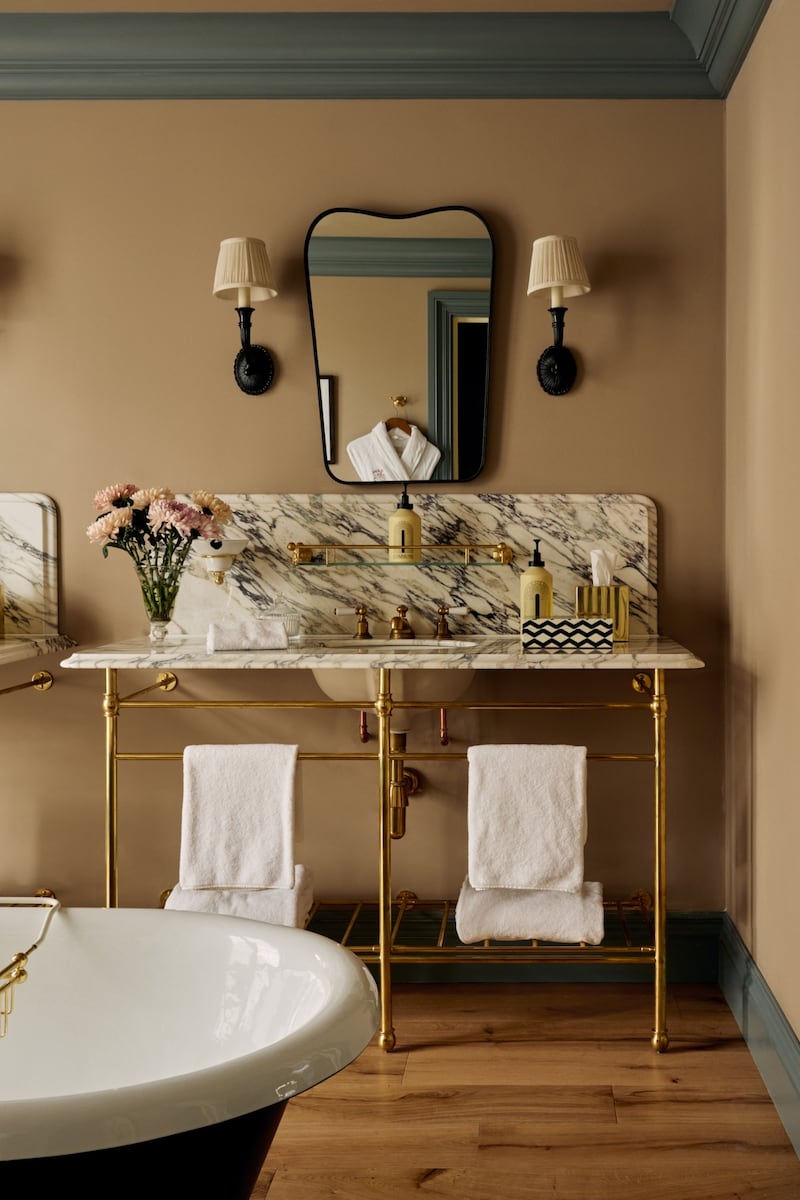
More than just their signature bespoke eyeglasses, London-based Cubitts sells a vibe. Their rimless titanium specs are inspired by artist Constantin Brancusi’s sculpture “Bird in Space”, and lens cleaning cloths feature prints by the sculptor Antony Gormley. This attention to design extends all the way to the boutiques’ bathrooms, which are always stocked with Aesop’s Resurrection Aromatique hand soap.
“We want our stores to feel calm, considered and tactile,” said Max Convery, the head of partnerships at Cubitts. “Those smaller touchpoints help contribute to that.”
Aesop, the Australian brand founded in 1987, was early to recognise that the most quotidian parts of one’s beauty routine, like hand washing, could be elevated. The label has grown from a niche name for design-loving, in-the-know shoppers to a L’Oréal-owned megabrand with a global footprint, thanks in no small part to Resurrection Aromatique, a botanical-scent soap that costs nearly $50. More than that, it solidified hand soap as a means for hotels, restaurants, stores and of course, shoppers, to signal taste.
Though they may have been the first, plenty more have followed. Increasing competition in premium body care, post-acquisition price hikes and fatigue with the ubiquitous amber pump bottle have other brands jockeying to take Aesop’s place in exclusive bathrooms worldwide.
ADVERTISEMENT
“Tastemakers, early adopters, interior designers want to discover something new,” said Kate Neal, the founder of the UK-based body care label Commune, which is stocked in luxury hotels like Estelle Manor in the UK and Tamodi in South Africa.
Price-conscious consumers turned off by the rising cost of Resurrection Aromatique have traded it for dupe-soaps like Element Brooklyn’s Mandarin Crush or Trader Joes’ Bergamot & Vetiver. (Before Aesop was acquired by L’Oréal in 2023, a bottle cost $40; today it’s $47.)
And high-spending shoppers are ready for even more elevated products, which is where challengers like the US’ Evolvetogether, Canada’s Sangre de Fruta and Sweden’s La Bruket are beginning to swoop in.
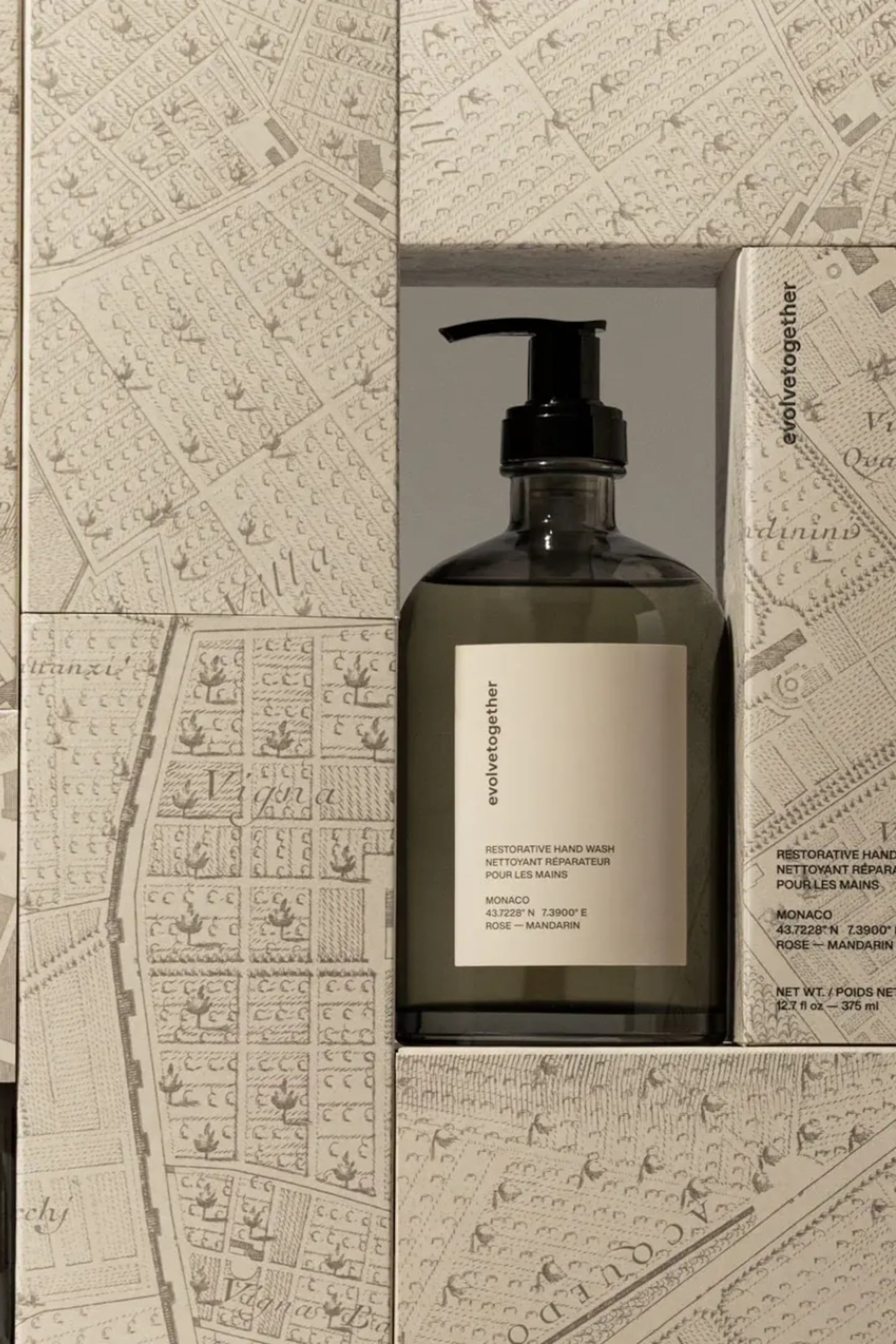
“Because wellness and longevity is so attached to design and beauty, [consumers] are all using Le Labo, Aesop and Byredo because they don’t know what else to use,” said Cynthia Sakai, the founder of Evolvetogether. The brand launched its $58 Restorative Hand Soap in 2025, and will launch a complementary hand lotion this month; while its best-seller remains its deodorant, the soap could overtake it as the brand’s hero this year, Sakai said.
Aesop introduced its Resurrection Aromatique hand soap in 2006, a response to the overwhelming popularity of its Resurrection Aromatique hand balm launched in 1990.
Though it was 16 years old, it was still a small player. In the aughts, the brand could be found at influential retailers like Barneys and Colette; as these spaces have shuttered, Aesop began to rely more on specialty distribution and its own global network of highly experiential boutiques. A decade after selling to Brazil’s Natura Co for a majority stake worth about $75 million, it was traded to L’Oréal for $2.6 billion, and has widened its boutique footprint from chic urban neighbourhoods to malls and airports.
Under L’Oréal, the brand has focused its attention on growing skincare and fragrance, but its hand soaps and balms remain a draw: bottles of product are bolted outside boutique doors so shoppers can sample as they walk by. (Hand care is the number one category new shoppers buy.) The product’s popularity has driven the business’ success, but also led it to become a meme online; in the last year, the comedian Brian Park has amassed millions of TikTok views for his skits playing a patronising character called “guy who has Aesop hand soap in his bathroom.”
Challenger brands have adopted Aesop’s teachings, using fine fragrance and quality formulations to elevate the hand-washing experience. But just as important is showing up in the right spaces.
ADVERTISEMENT
“People go to Estelle Manor and they see our bottles in the bathroom. It’s validation from another person who has taste,” said Neal. Interior designers are a key conduit: Dorothée Meilichzon, of French firm Chzon, is an apparent fan of La Bruket, and has helped place the brand in projects like the Parisian restaurant Frenchie Pigalle and the hotel chain Regina Experimental.
Le Labo, the Estée Lauder-owned perfumery brand, has partnered with the Edition and Park Hyatt hotel constellations (with the exception of the newly renovated Park Hyatt Tokyo, which still uses Aesop) and is now stocked in Equinox after the gym chain’s short-lived relationship with Grown Alchemist. (Le Labo declined to comment.) Evolvetogether has placed its hand soap in the bathrooms at hot restaurants like Brooklyn’s Misi and LA’s Cucina Alba, and Sangre de Fruta has inked hospitality partnerships with New York’s Hotel Chelsea and the San Vicente Bungalows members club in Los Angeles.
Sidia’s hand soaps and serums (dosed with skincare-grade ingredients like retinol) are in the locker rooms at Tracy Anderson’s workout studios and in the restrooms at hotspots like the Chez Margaux members club in New York. It’s also created custom scents for restaurants like San Sabino and Don Angie, including an exclusive “Saucy” candle nosed by perfumer Jérôme Epinette.
“That’s the way that we’ve convinced the customer to care more — by showing up in their favourite places and being this fashion-adjacent lifestyle beauty brand,” said Sidia founder Erin Kleinberg.

As Aesop has grown, premiumised touches on everyday products have become table stakes. Today, shoppers want even more from their $50 hand soap.
If Aesop invented the designer hand soap, and the idea that a hand soap could say something about its surroundings, the next generation believes it should say more.
“People are prioritising luxury in a very different way today,” Sakai said. “The customer wants a beautiful home, but they care about where the wood is from.”
Evolvetogether’s clean formulations and conscious packaging make the products more of a statement on standards rather than status. Commune minted its own bottles from recyclable aluminium, and crafted its own reusable metal pump as a signal to sustainable shoppers as well as a design piece on its own; its Seymour hand wash, pump included, costs $72.
ADVERTISEMENT
People also want something new. “Today’s consumer wants to be early to the next great indie brand and find something with a strong, personal point of view, not something mass-produced,” said Kleinberg.
Challengers have to present not just a brand, but a world. Sangre de Fruta and Commune tie the experience of using their products back to the places they come from — the former in British Columbia, the latter in Somerset county — connecting their small-batch, plant-based ingredients and fragrances back to “ancient wisdom” and “traditional ways of being,” according to their respective marketing.
“It’s just not creating something that’s marketing-led and manufactured, but something that feels very authentic and transparent,” said Neal. “People want to know it’s more than just a hand wash.”
Sign up to The Business of Beauty newsletter, your complimentary, must-read source for the day’s most important beauty and wellness news and analysis.
Want to dive deeper into an insight from this article? Check out The Brain of Fashion, BoF’s new generative AI tool where you can unlock BoF’s beauty archive with a single question.
Editor’s Note: This article was amended on April 4 2026 to correct Aesop’s founding year: It is 1987, not 1990.
The Australian label has a location on seemingly every trendy street corner in major cities from New York to London to Tokyo, part of a global strategy to become the world’s neighbourhood apothecary.
The explosion in the hand care category’s popularity demonstrates the strength of appetite for scented products amongst younger shoppers, whilst older consumers increasingly seek out targeted solutions for what they perceive as an area prone to ageing.
The Estée Lauder-owned beauty company and The Ordinary parent will relaunch one of its original brands as it moves to rekindle its reputation for incubation.

Brennan Kilbane is News and Features Editor at The Business of Beauty. He is based in London, and supports BoF’s coverage of the multifaceted cosmetics industry, from fine fragrance to wellness trends.
Loading recommended reads…
The Australian hair care brand has named Elisa Fischer its new global chief executive as it looks to push deeper into international markets.
The company, which also owns brands Nude by Nature and Poni, also announced its new global headquarters and chief marketing officer.
As extreme weather and nature loss threaten fashion’s access to key raw materials, the industry is looking for ways to shore up supply chains. Early results show it’s possible to build resilience, but also how difficult it is to scale effective action.
The Italian luxury sneaker brand, on pace to reach €150 million in sales this year, is tapping former Golden Goose chief consumer officer Danilo Piarulli as it ramps up direct-to-consumer growth across the US and Asia.