Nvidia Shares Slide as CEO Jensen Huang Resigns
Jensen Huang’s exit deepens the crisis at the chipmaker at the centre of the AI rally that’s powered new wealth creation in the US, luxury fashion’s most important market.

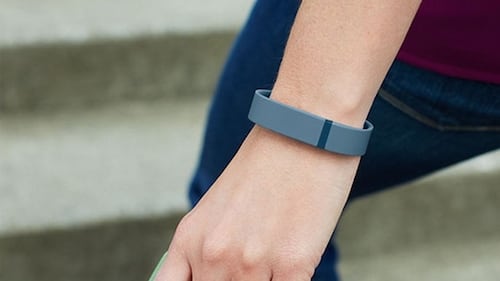
Fitbit Inc. lost almost a third of its market value in late trading.

Karlie Kloss and David Lauren sat down with BoF’s Imran Amed at the Fast Company Innovation Festival to discuss how innovation can work for both a global brand and passion-driven start-ups.

This week, Condé Nast launches digital-first Vogue Arabia, and a lab in South Korea creates a search engine for fashion items.

Sales in the current quarter will be $42 billion to $45.5 billion, the Seattle-based company said in a statement.

Since the two companies joined last year, chief executive officer Federico Marchetti has invested in new technology.

It’s been just over a month since the launch of Condé Nast’s new e-commerce venture. Is it working? BoF’s Vikram Alexei Kansara sits down with Franck Zayan, president of Style.com, to investigate.

This week, LVMH says it will never sell on Amazon and Alibaba allows VR customers to pay by nodding.

This week, robot-made clothes are closer to being a reality and Facebook and Google focus on VR.

At that pace, venture investment is projected to hit $74 billion by year's end, falling short only of the investment levels in 2000 and 2014.

This week, an investigation into e-commerce retailer Asos's working conditions and Hussein Chalayan partners with Intel.

The deal could benefit both Wal-Mart and Flipkart. The Indian retailer would get access to much-needed capital while Wal-Mart would gain exposure to India’s expanding e-commerce market and challenge Amazon on more equal footing than the US.

This week, Snapchat launches its first wearable, while LVMH's digital revolution has been slow to start.
Jensen Huang’s exit deepens the crisis at the chipmaker at the centre of the AI rally that’s powered new wealth creation in the US, luxury fashion’s most important market.
A growing Dutch outcry over the glasses mirrors a broader backlash against smart glasses equipped with cameras.
Smart glasses have become a target of criticism in recent months amid growing concerns they can be used to record people without their consent.
The e-commerce giant prohibits other companies from deploying automated tools to shop its site and started blocking Meta’s Muse on Sunday night.
The smart ring maker plans to market 50 million shares for $40 to $44 each, according to filings, which could value the company as high as $14.1 billion.
Shares in the eyewear giant, one of Europe's best-rated blue chips, have dropped 55 percent since November, while concerns are mounting over slowing growth and privacy issues for its AI glasses with Meta.
The UK company's new device uses artificial intelligence and a built-in camera to give real-time feedback on oral hygiene.
The Swiss watchmaker initially sought about $170 million from the Korean technology giant for failing to prevent apps that mimicked its luxury brands on its smartwatch displays.