Nvidia Shares Slide as CEO Jensen Huang Resigns
Jensen Huang’s exit deepens the crisis at the chipmaker at the centre of the AI rally that’s powered new wealth creation in the US, luxury fashion’s most important market.


The fashion rental startup will cease taking new subscribers and pay some users $200 as it responds to complaints about supply chain failures.
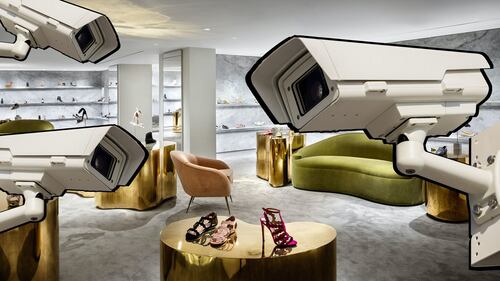
Retailers are using cameras and smartphones to track customers' every move. But is the data pulled from this technology worth the privacy backlash?

Alibaba will use Perfect Corp’s virtual try-on technology when selling products like lipstick and eyeliner on its Taobao and Tmall online shopping platforms.

EditorialistYX, the latest product that promises a digital closet, is betting that personalisation is the future of e-commerce.

Direct-to-consumer brands like Allbirds, Glossier and Rothy’s are battling counterfeiters and copycats. These startups now face a problem even big-budgeted luxury brands can't fix.

Many brands fled Snapchat for greener pastures on Facebook and Instagram. But those that stuck around have found Snapchat is a winning platform to reach Gen Z.

Inventory management is a mystery to even the biggest players in the space because it requires not only nimble decision-making on the production side as orders roll in but also a sense of fortune-telling. Recent technology, however, could be a major game changer — but only if retailers do it right.

The new version of Snap Inc's eyewear will be able to capture photos and videos and upload them directly to Snapchat, as the company works to develop its augmented reality features.

This week, everyone will be talking about The RealReal's first financial results as a public company, Coach and Kate Spade owner Tapestry's outlook for US retail and how volatility in China's currency affects luxury brands. Read our BoF Professional Cheat Sheet.
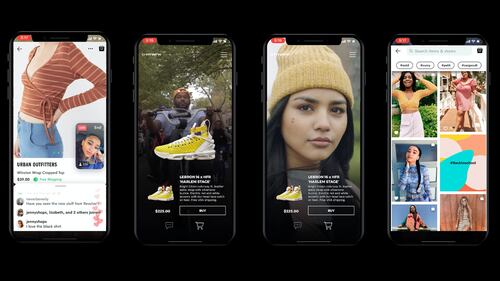
Live streaming is big business in China, where consumers spend billions on products pitched from influencers' bedrooms. Now the format — described by one investor as “QVC meets Oprah” — is taking off in America.

A start-up is betting on virtual reality to spice up the online shopping experience. Goodbye thumbnail product images, hello 'underwater stores' and CGI yoga studios.

Frustrated by the rising costs of ads and declining reach, some fashion brands are re-allocating their marketing budgets.
Jensen Huang’s exit deepens the crisis at the chipmaker at the centre of the AI rally that’s powered new wealth creation in the US, luxury fashion’s most important market.
A growing Dutch outcry over the glasses mirrors a broader backlash against smart glasses equipped with cameras.
Smart glasses have become a target of criticism in recent months amid growing concerns they can be used to record people without their consent.
The e-commerce giant prohibits other companies from deploying automated tools to shop its site and started blocking Meta’s Muse on Sunday night.
The smart ring maker plans to market 50 million shares for $40 to $44 each, according to filings, which could value the company as high as $14.1 billion.
Shares in the eyewear giant, one of Europe's best-rated blue chips, have dropped 55 percent since November, while concerns are mounting over slowing growth and privacy issues for its AI glasses with Meta.
The UK company's new device uses artificial intelligence and a built-in camera to give real-time feedback on oral hygiene.
The Swiss watchmaker initially sought about $170 million from the Korean technology giant for failing to prevent apps that mimicked its luxury brands on its smartwatch displays.