Nylon Recycling Startup Syntetica Raises $30 Million Series A
Lululemon and apparel manufacturer MAS Holdings are among the investors backing the French startup as it scales a proprietary process for recycling nylon from mixed-textile waste.


The plight of India’s cotton farmers exposes fashion brands to reputational risk in the supply chain, argues Jag Gill.
The plight of India’s cotton farmers exposes fashion brands to reputational risk in the supply chain, argues Jag Gill.

New policies on both sides of the Atlantic mean businesses will likely have to prove their supply chains do not pass through the Chinese region, where the reported detention of Uighurs in forced labour camps is rife.
New policies on both sides of the Atlantic mean businesses will likely have to prove their supply chains do not pass through the Chinese region, where the reported detention of Uighurs in forced labour camps is rife.

Sustainability and responsible sourcing are moving targets as the industry learns more about its impact on the planet. BoF breaks down the issues that are likely to seize the spotlight in 2021.
Sustainability and responsible sourcing are moving targets as the industry learns more about its impact on the planet. BoF breaks down the issues that are likely to seize the spotlight in 2021.

As consumers become more engaged with sustainability issues, circularity could be the key that unlocks the door to a more sustainable future.
As consumers become more engaged with sustainability issues, circularity could be the key that unlocks the door to a more sustainable future.
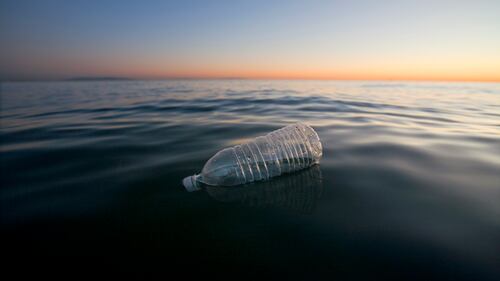
Brands are pumping out millions of shoes, bags and shirts made with plastic they say was rescued from the world’s oceans and beaches. But the environmental impact is hard to measure and some experts say the industry is doing more harm than good.
Brands are pumping out millions of shoes, bags and shirts made with plastic they say was rescued from the world’s oceans and beaches. But the environmental impact is hard to measure and some experts say the industry is doing more harm than good.
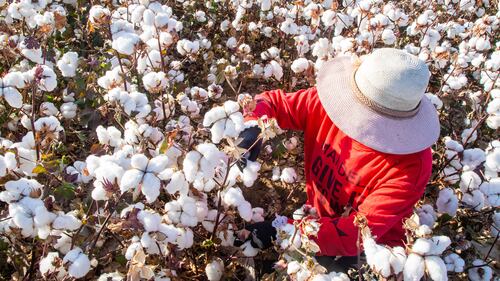
This week, claims that over half a million Muslims from minorities in China’s Xinjiang Uighur Autonomous Region are being forced to pick cotton widely used in the global fashion industry stunned consumers and stained major brands, highlighting longstanding traceability problems that must be solved.
This week, claims that over half a million Muslims from minorities in China’s Xinjiang Uighur Autonomous Region are being forced to pick cotton widely used in the global fashion industry stunned consumers and stained major brands, highlighting longstanding traceability problems that must be solved.
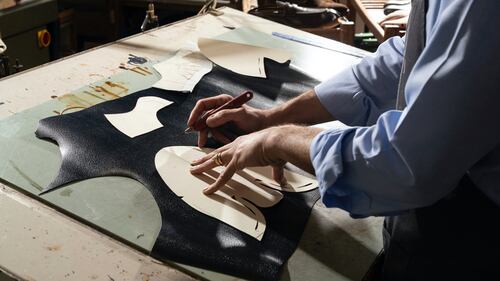
Having conducted the largest survey of wage and payment conditions in the luxury sector, the Camera Nazionale della Moda Italiana hopes to act as an example to other international manufacturing hubs.
Having conducted the largest survey of wage and payment conditions in the luxury sector, the Camera Nazionale della Moda Italiana hopes to act as an example to other international manufacturing hubs.
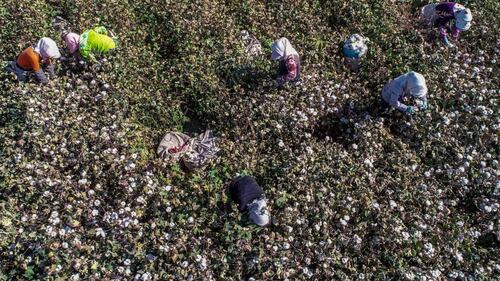
At least 570,000 Uighur Muslims are being forced to work in Chinese cotton fields that produce one-fifth of the world’s supply, a new report says. Most fashion brands can’t promise their products aren’t implicated, with concern spreading from fast-fashion and sportswear giants to major luxury groups.
At least 570,000 Uighur Muslims are being forced to work in Chinese cotton fields that produce one-fifth of the world’s supply, a new report says. Most fashion brands can’t promise their products aren’t implicated, with concern spreading from fast-fashion and sportswear giants to major luxury groups.

Ryan Gellert talks about how his #Resistance clothing company can continue the climate fight.
Ryan Gellert talks about how his #Resistance clothing company can continue the climate fight.
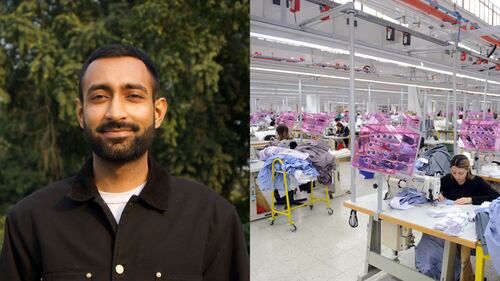
Before the pandemic, Shahi Exports was generating roughly $1 billion a year producing for brands like Gap and Uniqlo, making it India’s largest apparel manufacturer for export. The executive leading the firm’s sustainability initiatives reflects on new opportunities to reform fashion’s supply chain, despite the crisis and turbulence ahead.
Before the pandemic, Shahi Exports was generating roughly $1 billion a year producing for brands like Gap and Uniqlo, making it India’s largest apparel manufacturer for export. The executive leading the firm’s sustainability initiatives reflects on new opportunities to reform fashion’s supply chain, despite the crisis and turbulence ahead.

Apparel manufacturers are limiting access to third parties, including regulators and auditors, raising concerns about fair labour practises and safe workplaces.
Apparel manufacturers are limiting access to third parties, including regulators and auditors, raising concerns about fair labour practises and safe workplaces.

The LA-based brand is laying out a new set of commitments designed to decouple its growth from its environmental impact.
The LA-based brand is laying out a new set of commitments designed to decouple its growth from its environmental impact.
Lululemon and apparel manufacturer MAS Holdings are among the investors backing the French startup as it scales a proprietary process for recycling nylon from mixed-textile waste.
The changes, which will go into effect in December 2027, are a win for the leather industry.
Major retailers’ ads promoting “recycled” clothing and shoes have been banned by the UK watchdog after advertisers were unable to prove their green claims.
The British group positioned itself as an industry leader five years ago when it announced a goal of net zero by 2040 — ahead of other luxury brands and the Paris Agreement on climate change.
The National Chamber of Italian Fashion will no longer promote fur at events or on social media.
Labour representatives worry the shift to standardised conditions would erase years of locally negotiated terms in A Coruña.
The Clean Clothes Campaign and four Dutch consumers have accused the denim brand of failing to meet the responsible production standards it promotes in its marketing.
Effective Aug. 11, the e-commerce marketplace will pull any remaining animal fur products from its website.