Circulose Appoints Interim CEO as Textile Recycling Plant Restarts
Chief financial officer Amanda Geijer will take over from Jonatan Janmark as the Swedish textile recycler resumes commercial-scale production.


The generation credited with leading the charge on climate activism and social justice is also propelling the growth of fast-fashion behemoths like Shein and Boohoo.

The fashion system has been broken for some time, said trend forecaster Li Edelkoort at VOICES 2016. But, it can still regain its cultural cachet, and fix its exploitative practices.

Kering brands like Gucci and Bottega Veneta banned fur years ago, but the French luxury group is extending the policy across all its labels.

Noted economist and author Carlota Perez joins BoF’s Imran Amed to discuss the cyclical resets and reorganisations of the capitalist system — and how we can actively harness the information revolution to preserve the earth and benefit all people.

Fashion has yet to crack industrial-scale recycling technologies that can keep clothes out of landfill. But there are solutions on the horizon, says Edwin Keh.

Vestiaire Collective is the latest in a growing roster of fashion companies that have spent months teasing out company policies and practices to qualify for the highly regarded sustainability certification. How can others do the same?

The industry needs to halve its emissions by the end of the decade to meet global climate goals.

Eric Liedtke, who steered Adidas’ collaborations with celebrities like Kanye West and Beyoncé, is launching a zero-waste, zero-plastic streetwear brand.

The landmark safety initiative put in place after the collapse of the Rana Plaza was due to expire next week.
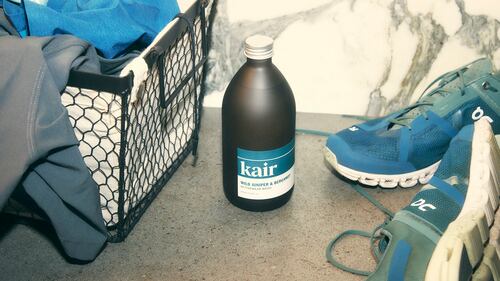
Brands, retailers and start-ups are looking at ways to give laundry products and repair services a fashionable makeover.

The world’s top climate scientists issued a stark warning on the rapid rise of global temperatures this week. BoF breaks down the key takeaways and explains what the industry can do about it.

The fashion industry is one of the world’s worst polluters, and this week’s grim report from the UN’s IPCC made clear that change needs to come quickly.
Chief financial officer Amanda Geijer will take over from Jonatan Janmark as the Swedish textile recycler resumes commercial-scale production.
A new analysis of eight widely used cosmetics ingredients by Verisk Maplecroft found widespread exposure to child and forced labour risks, with palm oil, cocoa and shea nuts among the most problematic commodities.
Global environmental non-profit The Nature Conservancy has launched a new industry coalition to help apparel companies tackle microfibre pollution across their supply chains.
The new initiative will explore how the industry can take responsibility for the millions of used and unsold garments exported to secondhand markets around the world.
Planet-warming emissions associated with the raw materials used to make fashion, footwear and home textiles have risen 30 percent since 2019, according to a new report.
Investments to reduce heat stress for garment factory workers can pay for themselves within four years, a new report from Cornell University's Global Labor Institute finds.
Greenhouse gas emissions rose in 2023 and 2024, due in part to increased global production of fibre, especially polyester, according to a new report by the Apparel Impact Institute.
Lululemon and apparel manufacturer MAS Holdings are among the investors backing the French startup as it scales a proprietary process for recycling nylon from mixed-textile waste.