Circulose Appoints Interim CEO as Textile Recycling Plant Restarts
Chief financial officer Amanda Geijer will take over from Jonatan Janmark as the Swedish textile recycler resumes commercial-scale production.


Celebrities from Kylie Jenner to Taylor Swift are in hot water for their casual use of gas-guzzling private jets. Fashion brands’ flying habits deserve scrutiny too.

Disconnecting from fashion’s hype cycle is the most effective way to both curb the industry’s environmental impact and develop a better relationship with our clothes, writes Alec Leach.

Companies including Boohoo, Asos and H&M are in the crosshairs, as mounting scrutiny of green claims ratchets up the pressure on brands to credibly back up any sustainability messaging.

The US Cotton Trust Protocol works with cotton growers to produce fibres with a lower environmental and social risk in alignment with the UN’s Sustainable Development Goals for members like Levi’s and Gap Inc.
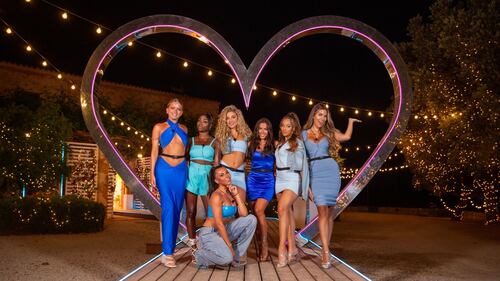
This year the hit reality series was sponsored by resale site eBay, a move celebrated as promoting more responsible consumption. But the show is still a huge marketing opportunity for fast-fashion brands.

A new report exposing abuse of garment workers in factories linked to major brands in Myanmar points to ways mounting political and economic instability are worsening human rights risks in fashion’s supply chain.

Louis Vuitton, Prada and Valentino have adapted core brand signifiers to project sustainability efforts to consumers. The move blends conspicuous consumption and virtue signalling, but it’s also a sign of real change.

The last major downturn in 2008 was a huge setback for an emerging movement. But this time, shifts in both consumer and business culture mean things are likely to be different.

The industry’s biggest players still aren’t disclosing basic data about environmental and social impact, putting them in the firing line as regulators look to crack down on greenwashing.

More big brands are making public commitments to curb environmental impact and protect workers, but data on how they’re performing remains scarce, this year’s Fashion Transparency Index finds.

The fast-fashion giant joined a $30 million funding round, making its first venture investment in a clean technology company as interest in textile recycling grows.

Resolving the fundamental tension between what is good for revenue growth and what is good for the environment is the biggest challenge to fashion’s sustainability efforts.
Chief financial officer Amanda Geijer will take over from Jonatan Janmark as the Swedish textile recycler resumes commercial-scale production.
A new analysis of eight widely used cosmetics ingredients by Verisk Maplecroft found widespread exposure to child and forced labour risks, with palm oil, cocoa and shea nuts among the most problematic commodities.
Global environmental non-profit The Nature Conservancy has launched a new industry coalition to help apparel companies tackle microfibre pollution across their supply chains.
The new initiative will explore how the industry can take responsibility for the millions of used and unsold garments exported to secondhand markets around the world.
Planet-warming emissions associated with the raw materials used to make fashion, footwear and home textiles have risen 30 percent since 2019, according to a new report.
Investments to reduce heat stress for garment factory workers can pay for themselves within four years, a new report from Cornell University's Global Labor Institute finds.
Greenhouse gas emissions rose in 2023 and 2024, due in part to increased global production of fibre, especially polyester, according to a new report by the Apparel Impact Institute.
Lululemon and apparel manufacturer MAS Holdings are among the investors backing the French startup as it scales a proprietary process for recycling nylon from mixed-textile waste.