Circulose Appoints Interim CEO as Textile Recycling Plant Restarts
Chief financial officer Amanda Geijer will take over from Jonatan Janmark as the Swedish textile recycler resumes commercial-scale production.


The Mother of Pearl designer talks about how she quit the fashion system to build a sustainable luxury label, the subject of a documentary that premieres at the start of London Fashion Week on Thursday.

Synthetic stones now make up 10 percent of the diamond market, highlighting the ways in which new materials are rewriting the rules of what is considered luxury.

Every year, millions of tons of old clothes are shipped around the world as part of the global secondhand clothing trade. Nonprofit The Or Foundation and Vestiaire Collective are lobbying for regulation that benefits the countries where they end up.

Chloé is set to become the first major luxury fashion brand to road-test digital product IDs that contain detailed information about the authenticity and eco-credentials of individual items and allow for easy resale via Vestiaire Collective.

Material choices, garment construction and manufacturing processes can make a big difference to reducing much of the polluting particles clothes shed.

From products made of recycled plastic to take-back programmes, some of fashion’s favourite sustainability solutions are problematic, argues Beth Esponnette.

Partnering with Copenhagen Fashion Week, BoF invited market leaders including Pascal Morand, Julie Gilhart, Ganni co-founder Nicolaj Reffstrup, EU Parliamentary Committee chair Dr Christian Ehler, journalist Clare Press, executives from Renewcell and Lenzing, and others from across the value chain, to work together towards actionable solutions capable of urgently altering the industry’s ecological impact.

Over the last decade, the industry has ratcheted up its spending on lobbying efforts in the US. Now, emerging sustainability regulations are drawing increased attention.
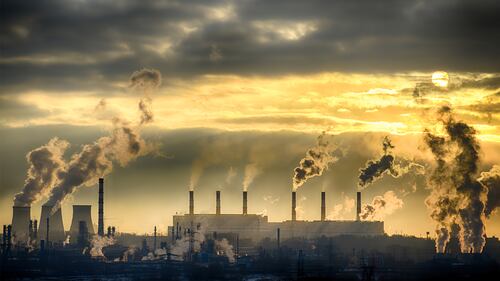
How to best spend the large sums it will take to cut the fashion industry’s carbon emissions? The Apparel Impact Institute is launching a pre-vetted portfolio of climate solutions in an effort to better direct investment.

The brand’s hyperrealistic (but fake) animal heads sparked outrage this week, highlighting the increasingly delicate balance brands must strike between provocative marketing and shifting consumer values.

Shifting weather patterns are making shopping behaviour harder to predict, adding to inventory management challenges for brands and retailers.

The company faced questions about how rabbit felt, which is made from the animal’s hairs, fit with its no-fur policy.
Chief financial officer Amanda Geijer will take over from Jonatan Janmark as the Swedish textile recycler resumes commercial-scale production.
A new analysis of eight widely used cosmetics ingredients by Verisk Maplecroft found widespread exposure to child and forced labour risks, with palm oil, cocoa and shea nuts among the most problematic commodities.
Global environmental non-profit The Nature Conservancy has launched a new industry coalition to help apparel companies tackle microfibre pollution across their supply chains.
The new initiative will explore how the industry can take responsibility for the millions of used and unsold garments exported to secondhand markets around the world.
Planet-warming emissions associated with the raw materials used to make fashion, footwear and home textiles have risen 30 percent since 2019, according to a new report.
Investments to reduce heat stress for garment factory workers can pay for themselves within four years, a new report from Cornell University's Global Labor Institute finds.
Greenhouse gas emissions rose in 2023 and 2024, due in part to increased global production of fibre, especially polyester, according to a new report by the Apparel Impact Institute.
Lululemon and apparel manufacturer MAS Holdings are among the investors backing the French startup as it scales a proprietary process for recycling nylon from mixed-textile waste.